Happy new year everybody! Before we start afresh in this brand new year, let’s take some time to look at the regrets of our interviewees from last year, so that we don’t end up making the same mistakes they made… this year or ever.
“Not spending more time with my late grandparents.”
Q: What is your biggest regret so far?
Jeshua Soh, who dropped out of school, started a business at age 19 and started another business in Myanmar: Not following good advice.
Juliana, who made it through 4 years of topical steroid withdrawal: Not reading more books when I had all the time in the world.
HT, who made and sells Spiderman web shooters: Focusing too much on myself and not enough on others.
Dreaming Asa, who cosplays girl characters despite identifying as male: Being lazy.
Wing*, who was once a Hong Kong protester: Not planning for immigration earlier.
The road outside Pacific Place during the protest Wing attended, with a road block made by protesters. “A few days later, one protester committed suicide here,” Wing added.
Rishi Israni, who married and built a million-dollar business with the inventor of the Rotimatic: That I don’t travel enough, I don’t meet people enough. I tend to sort of live in my own world.
Elizabeth Seah, who has been cosplaying for 24 years: Going out way too much to help those who don’t appreciate you. I’ve learned to spend those efforts on people who are humble and need it.
Marianah Arshad, who stuck by the same boss for 12 years: Not spending more time with my late grandparents. I miss them every day.
Dr. Y, who did poorly all through school but ended up as a dentist with his own practice: Not being able to get my father to be baptised.
Kelvin Seah, who is a stay-at-home dad: That I did not have kids sooner.
Evelyn Eng-Lim, who built her own retirement farm: My biggest regret is not knowing how to be intimate with my parents.
Sheeba Majmudar, who has been a nutritionist for 12 years: I should have earned the Doctor title to have more authority in my field.
Russell Pensyl, who is an interactive media artist: I didn’t learn about the hurdy gurdy when I was young enough to master it. Now one of my goals is to build a version of this string instrument that I can play using motors and foot pedals, freeing one hand to make more notes on the drone strings.
Loh Teck Yong, who is a security guard and author: When I was working as a security guard, I often had to deal with abusive people. And sometimes the bullying was too hard to bear, so I would roll over instead of making a stand. I don’t have one biggest regret because I strongly regret each and every time I failed to stand up to a bully. If only my impression of Gordon Ramsay had been more polished back then.
Teck Yong in 2009. “A friend asked me to show him what I looked like when I was working.”
Yen-Lu Chow, who lost his son to suicide: I strive to live a life of no regrets—to live every day to its fullest.
Pranoti Nagarkar, who invented the Rotimatic: I don’t have any regrets. But there are many mistakes of course, which obviously is something that teaches you a lot, so no regrets. One regret I can think of from the Zimplistic point of view, which may or may not be considered a regret, is that we should have branched out earlier and diversified our exposure by not restricting ourselves to Singapore. We should have started an office in California and moved there for a few months at least, to try and expand to Silicon Valley. Because the ecosystem of that place will always be one step ahead and you can always help bring more of that into the Singapore ecosystem.
Sy, who founded LUCK-IT and interviewed all the above people: I don’t have any major regrets because I believe even the wrong choices were inevitable and necessary for me to grow into a better, wiser person. I do have trivial regrets though, like not buying Facebook and Apple shares when it was so obvious they were going to grow. And not noticing the potential of the internet much earlier.
Gwern Khoo, who is a Michelin Bib Gourmand certified hawker: None. All are learning opportunities for me.
What is YOUR biggest regret? Drop your answer into the comment box below and we’ll add it to this list!
Photographs courtesy and copyright of those featured. Interviewer: Sy If you found this article useful:
Last week, we asked our interviewees from this year about the best things their fathers taught them. This week, let’s take a look at the wisdom of the other parent, the mother, and what our interviewees have learned from theirs.
“She gave me the backbone that I have, and the education that has benefited me to this date.”
Q: What is the best thing your mother ever taught you?
Juliana, who made it through 4 years of topical steroid withdrawal: Take it as they come! There’s no use running away from problems. That woman has some wisdom!
Elizabeth Seah, who has been cosplaying for 24 years: Too many to list!
Elizabeth in 2018, doing a cosplay makeup demo at GameFest in Singapore.
Marianah Arshad, who stuck by the same boss for 12 years: To not only pray for what I want, but what’s best for me.
Dr. Y, who did poorly all through school but ended up as a dentist with his own practice: Serve people unconditionally.
Russell Pensyl, who is an interactive media artist: Get out of bed early and get to work. Never allow oneself to let one’s emotions get the better of oneself.
Rishi Israni, who married and built a million-dollar business with the inventor of the Rotimatic: Work really hard, but don’t ever care about the results. Because that’s not in your hands.
Kelvin Seah, who is a stay-at-home dad: To forgive and reconcile broken relationships as much as possible
Jeshua Soh, who dropped out of school, started a business at age 19 and started another business in Myanmar: Things may not always be as they appear to be.
Sheeba Majmudar, who has been a nutritionist for 12 years: That you don’t need to have paper titles to genuinely help people, just heart.
HT, who made and sells Spiderman web shooters: How to be kind, patient and lend a listening ear.
Yen-Lu Chow, who lost his son to suicide: She gave me the backbone that I have, and the education that has benefited me to this date.
Yen-Lu with kids of Singapore Creations—which provides young people with a supportive platform where they can be creative and grow as people—of which he is co-founder and chairman, at the non-profit’s inaugural production.
Petrina Ng, who quit her 14-year teaching career to become a wedding photographer: She taught me tenacity through her own actions and how working smart and hard pays off.
Nur Syahidah Alim, who is a paralympian and world champion in archery: My mother taught me to fight back and prove to people that I can live independently as abled persons do.
Gwern Khoo, who is a Michelin Bib Gourmand certified hawker: Her constant reminder: “Do not lie, steal or cheat.”
Evelyn Eng-Lim, who built her own retirement farm: She accepts us for what we are and is non-judgemental.
Sy, who founded LUCK-IT and interviewed all the above people: Through watching her, I learned that what you do says way more than what you say, always.
Pranoti Nagarkar, who invented the Rotimatic: The concept of God. It’s not the concept of God that most religions teach. She was the one who made us think—who do you really think God is? She made us contemplate the concept of God—that it could be in nature, a Creator, doesn’t have to be a certain figure head—and that inherently taught us to question everything.
What’s the best thing YOUR mother ever taught you? Let us know in the comment box below and we’ll add your answer to this list!
Photographs courtesy and copyright of those featured. Interviewer: Sy If you found this article useful:
As we wind down to the end of the year, let’s take 2 weeks to consider the influence of the earliest important people in our lives—our parents. What survival skills have our interviewees this year learned from their parents? We asked them, and found out.
“To listen to my mother, and to keep my promises.”
Q: What is the best thing your father ever taught you?
HT, who made and sells Spiderman web shooters: Nothing can stop you if you set your mind to it.
HeroTech’s workbench: various web shooters in different stages of construction; tools and materials used to make web shooters; packing and shipping materials used to ship web shooter orders.
Elizabeth Seah, who has been cosplaying for 24 years: 孙子兵法 aka The Art of War.
Jeshua Soh, who dropped out of school, started a business at age 19 and started another business in Myanmar: Do something useful and do what you love.
Kelvin Seah, who is a stay-at-home dad: To save for a rainy day.
Sheeba Majmudar, who has been a nutritionist for 12 years: To always question everything and not follow blindly.
Sheeba winning an award for ‘Best Brands’ in 2016.
Russell Pensyl, who is an interactive media artist: To listen to my mother, and to keep my promises.
Pranoti Nagarkar, who invented the Rotimatic: That you create your own destiny with hard work and there is no substitute for hard work. And also that you don’t look down on anybody or up to anybody. And if you’re in a situation where you’re feeling sad or pitiful about your own situation, always look to people who have worse issues than you, who don’t have a house to live in while you’re complaining about not having a room.
Dr. Y, who did poorly all through school but ended up as a dentist with his own practice: How to play badminton when I was young.
Juliana, who made it through 4 years of topical steroid withdrawal: It’s okay to do badly for this test, just try harder next time. He taught me to look at failures positively, and it has served me well so far.
Before Juliana went into withdrawal. “21 years old.”
Yen-Lu Chow, who lost his son to suicide: My father was a humble man. Humility. His bilingual skills (in English and Chinese) as a professional translator also gave me early groundings.
Gwern Khoo, who is a Michelin Bib Gourmand certified hawker: His work ethics and quest for excellence.
Evelyn Eng-Lim, who built her own retirement farm: Daring to venture afar in business and telling us about successful entrepreneurs of the 50s and 60s. Never to look down on people because of their appearance.
Sy, who runs LUCK-IT and interviewed all the people featured in this article: Through watching him, I learned that truth is never absolute. Just because one person insists something is true does not mean it is.
Rishi Israni, who married and built a million-dollar business with the inventor of the Rotimatic: He taught me that one must pick a goal in life that cannot be fulfilled until you’re dead. You should pick a goal that you just cannot fulfil—that will take you your entire life. And don’t set a small goal, set a big goal, because in striving towards that is where you get true enjoyment, true fulfilment. Also he has a ‘take it easy policy’. Never be too serious about anything in life.
LUCK-IT reader, ST: Keep your nose to the grindstone at all times. Someone, someday will take notice and lift you out of poverty.
LUCK-IT reader, KINDNESS: Hope is the companion of power, and mother of success; for who so hopes strongly has within him the gift of miracles. —Samuel Smiles
Next week, we’ll share what these individuals learned from their mothers. In the meantime, what’s the best thing YOUR father ever taught you? Let us know in the comment box below and we’ll add it to this list!
Photographs courtesy and copyright of those featured. Interviewer: Sy If you found this article useful:
Earlier this year, one of our interviewees, Christine Yong, who achieved the perfect score in the IB exams, wanted to know how entrepreneurs and artists in Singapore have changed or adapted their businesses, works and public image to align with Singaporean behaviour, and if they had any struggle doing so. Here is what our other interviewees said in reply to that.
“The best I think we can do is to listen to others.”
Q: Entrepreneurs and artists in Singapore, how have you changed or adapted your business, works and public image to align with Singaporean behaviour? What were your struggles when doing so, or did you have no struggle?
HT, who made and sells Spiderman web shooters: Personally, I haven’t changed any of my business or public image to align with Singaporean behaviour.
Russell Pensyl, who is an interactive media artist: I don’t think I ever mastered that… the best I think we can do is to listen to others.
Jeshua Soh, who dropped out of school, started a business at age 19 and started another business in Myanmar: For J Rental Centre, a peer-to-peer camera rental, creative spaces and event logistics rental platform that I started, we added new e-payment methods while retaining cash as an option. This would cater to the growing demand for Singaporeans keen on using PayNow, Paylah GrabPay and Credit Cards as well as the demographic who still prefer hard cash as a means of settling payments. We did, however, go fully cashless for creative spaces, knowing that we’re targeting a more savvy audience and to ensure that renters turn up for their booked time slot.
J Rental Centre’s City Hall Collection Point.
Evelyn Eng-Lim, who built her own retirement farm: Advocate and promote local produce to our customers by introducing them to local kampong [village] vegetable recipes. Educate and explain Climate Change.
Elizabeth Seah, who has been cosplaying for 24 years: Since 2012, I’ve moved my offline stores online. It gives me the freedom and flexibility for many other things that I’ve been wanting to do over the years. There are pros and cons for sure, but I’m glad I made that move. I ended up having a real LIFE, more time for my creativity, myself, and those who matter to me.
Pranoti Nagarkar, who invented the Rotimatic: Ours is an Indian product—we sell to the non-resident Indians, mostly in the USA and in Singapore also—so we didn’t really have to change. And I think as entrepreneurs, you always have that freedom to be right, right? You don’t have to change anything.
Pranoti’s invention, the Rotimatic, makes any kind of flat bread in 90 seconds.
Rishi Israni, who married and built a million-dollar business with the inventor of the Rotimatic: I haven’t changed anything. Of course sometimes you try and be a little bit more conventional, you don’t try and be too unconventional, but we have not changed anything. It’s made some things harder to do but we’ve not changed much.
Sy, who founded LUCK-IT and interviewed all the people in this article: Honestly, I’ve always struggled with resonating with the Singaporean mass market myself because my own interests are not mainstream and vice versa. I’ve since learned it helps to focus instead on the overarching similarities governing those differences, which you can then use as a basis for connection. In terms of dealing with all sorts of behaviour, what works for me is to focus on the end goal of both parties and ignore emotions. And if all that doesn’t work, one can always just skip the Singapore market to sell direct to the global market these days.
Gwern (extreme left) outside his hawker stall, with his current team.
Gwern Khoo (featured in top photo), who is a Michelin Bib Gourmand certified hawker: No special adjustment required. Human behaviour, their thinking, their needs and wants are quite universal. You just need to understand human behaviour.
Have YOU ever changed your business, works or public image in order to align with Singaporean behaviour? Drop your answer into the comment box below if so and we’ll add it to this list!
Photographs courtesy and copyright of those featured. Interviewer: Sy If you found this article useful:
When 49, after having spent two decades working as a polytechnic lecturer, private school teacher, civil servant and freelancer, Kelvin Seah dropped his career to embark on a whole new occupation—that of being a full-time stay-at-home dad. He tells us the realities of being a SAHD in his prime years and shares his reasons for doing so.
“Be prepared for it to be a lonely journey.”
Q: Hi Kelvin! Can you introduce yourself—share where you’re from and why you wanted to be a stay-at-home dad?
A: My name is Kelvin Seah. I’m 49 this year and my varied career spanning over 2 decades included stints in the public, private and voluntary sectors. I was formerly a public servant for over 5 years, and thereafter an educator for some 15 years. The first three of those 15 years were spent teaching English in Vietnam as a volunteer, and in a local private school in Singapore thereafter. The last 12 of those 15 years were spent as a local polytechnic lecturer in the areas of tourism/hospitality as well as media management and communications skills.
I left formal employment in May this year to spend time at home with my two sons who are 10 and 8 years old. My youngest (Caleb) has moderate autism spectrum disorder (ASD) and global developmental delay (GDD). The move to leave full-time employment was done mainly with him in mind, given his condition and the interventions needed to help him develop in his learning and growth.
Kelvin and son on a day out and about Singapore.
How does Singapore perceive men who stay home and make childcare their primary occupation? What were you taught to think of it as a child, and how did you feel about it then?
Like many parts of the world throughout history, the culture here in Singapore, in my humble opinion, typically regards the man as head of the household and the one to provide financially for the family. So to not be employed, and thus not bring home a paycheck, is probably frowned upon in most families and by broader society.
When I was young, I saw evidence all around me of fathers being absent from home, including from my own family. My father would be out most of the day to work, and only be back late for dinner. With that kind of modelling, it wasn’t hard for me to internalise this perception of the always-out-and-working role of men and fathers in society as the norm.
I would have to say that I feel very much the absence of a constant father figure in my life growing up. I’ve had to figure many things out on my own, and though many may think that doing so builds up one’s independence, it also unfortunately does little to build up a healthy self-esteem and emotional well-being. I’ve struggled for years in these two areas and have often wished I had a closer and more emotionally-connected relationship with my father (he passed away 5 years ago).
How then did you manage to become a stay-at-home dad? Can you share your entire process and also how you figured that process out?
Towards the end of 2017 when his diagnosis was confirmed, I realised that we needed as a family to step up in more tangible ways to intervene and help Caleb overcome the major challenges he will face growing up with special needs.
It was clear that at least one parent needed to be at home more in order to help him. As my wife had taken no-pay leave and half-time work for much of his initial years, it was decided that this time, it would be my turn to step up to the plate and take time off.
At the start of 2018, we decided to let Caleb repeat his K2 [Kindergarten Year 2] year so as to give us more time to work with him in hopes he might be readier to enter mainstream P1 [Primary 1] education in 2019, being a year older than his peers by then (and hopefully a year ‘wiser’ too!).
Concurrently, I applied for a year-long sabbatical from my work at the polytechnic to focus on staying home with Caleb. Freelance work came my way soon after though, so eventually it became more tenable for me to resign, and focus on that instead as it gave me locational mobility to work from home.
By mid 2018, it was clear that Caleb might not be ready for the rigours of a mainstream primary education so we decided to apply to Pathlight School, which offers places to students with autism to take the MOE [Ministry of Education] primary school curriculum, but in a manner and pace more suited to their unique learning challenges.
By May 2019, my freelance work had become way too consuming at the expense of meaningful time with Caleb, and I decided to quit that and focus fully on him. For me, the dawning realisation that my son only has the next 10 years of his life (before he hits 18) left to ‘catch-up’ in terms of his learning and behaviour before he ‘joins’ society as a grown-up made the decision a no-brainer, though it did come at quite a cost to me career-wise and financially.
What is the routine of a stay-at-home dad? What do you do on weekdays and what do you do on weekends?
Typically on weekdays, I would send Caleb to school by 7.30am; the journey can take anything between 30 and 45 minutes, depending on traffic. Thereafter I’ll spend the rest of the morning running errands, or exercising, or blogging, or reading/researching more about autism and other areas of personal interests. Sometimes I’ll catch up with friends for a cuppa.
By noon, I’ll be setting off back to his school to fetch Caleb home. The afternoons are spent looking after him and his brother to make sure they complete their homework, with time in the late afternoons and early evenings for some outdoor play time before dinner. Afternoons are also spent helping Caleb improve in areas like fine and gross motor skills, and speech skills, via activities like reading, art therapy and body movement exercises.
Weekends are spent helping with more homework but also with time to take the family out for walks, visits, shopping and stuff most families here do on weekends.
Which 3 objects or people are most helpful for you as a stay-at-home dad?
I would have to say my spouse, my elder son (who’s neuro-typical) and my helper are the 3 most helpful people for me.
Kelvin’s son, during a session of art therapy.
Which place in Singapore is most useful?
When it comes to family-friendly places to go, Singapore has no lack. Our family enjoys visiting the public libraries and museums. We also enjoy the parks and playgrounds that are scattered throughout the island.
But when it comes to places where stay-home dads like me can get some quiet downtime to reflect and recharge, I’ve found Bishan Stadium to be quite a nice and shady spot on weekday mornings. For me, finding a quiet and cool place outside of home is an important fixture in my weekly routine. Without it, it’s pretty easy to unravel and lose my sanity in the midst of all the responsibilities that come with taking care of my kids.
What were the biggest obstacles you faced when trying to be a stay-at-home dad, or during your time as a stay-at-home dad, and how did you overcome them?
Loss of status and income stream. Explaining my choice to those without direct and regular contact with special needs children. Shrinking of social circle and common topics of discussion. Occasionally coping with a sense of loss as to my purpose in life.
To cope, I’ve to intentionally carve out time each week to step away from home and get outdoors or do something I enjoy. I also seek out conversation and companionship with friends who have time to meet and listen.
Now that you’ve done it, would you recommend more fathers in Singapore stay home to focus on raising their children?
Perhaps rather than answering directly as to whether I do or don’t recommend, I would instead suggest that people really prioritise family above work in earnestness and not just pay lip service to the idea just because it sounds like the ‘politically right’ thing to say.
I totally understand that every family’s situation is unique and I don’t believe there is a one-size-fits-all solution, nor do issues/solutions stay static. As such, I wouldn’t outrightly say that other fathers should do what I do. Adaptability is key in the process of deciding what’s best for one’s family because decisions made today may need to change tomorrow depending on circumstances. But as with any decision, one must be prepared for the accompanying outcomes that the decision entails. It helps if you can find others who’ve already made similar decisions to understand what these outcomes might be.
What have you learned from having been a stay-at-home dad that you didn’t know before? How have you changed as a person since?
It’s often a lonely journey. This might well be the reason why many ‘wisely’ choose not to be stay-at-home dads.
That the money can run out faster than you can imagine if you don’t quickly curtail your expenses and watch your family finances more closely.
I’ve become more grateful for the little things, and mindful that simple contentment in the little insignificant moments of the everyday is a virtue worth pursuing, one that goes against the glitzy conventional wisdom out there that says you should ‘pack more into your daily schedule’ to prove your worth and showcase your achievements. I don’t need to justify my life to anyone but the Almighty and my family.
What advice do you have for other men who want to become stay-at-home dads too?
Be prepared for it to be a lonely journey.
Be prepared that others (even loved ones) won’t understand and will envy you for what they perceive to be more free time than they have. Or worse, they may deride or mock you directly or indirectly for ‘lamenting/complaining’ about how all-consuming your stay-at-home role can be (even though it really is, and you do need to let off some steam at times in order to de-stress), compared to the role of full-time employed parents!
Accept the reality that no full-time employed person will ever truly believe that you (a stay-home-dad) are as busy as they are, even if you were to show them how busy your daily schedule can be. This is the inherent unspoken bias society imposes on stay-home parents everywhere, so be prepared!
Be disciplined and make sure you spend your time meaningfully, always staying focused on why you chose this path.
Be sure to set aside time regularly to do things for yourself too (with AND without your spouse, but definitely WITHOUT the kids!). Do things that you enjoy and that will keep you sane, be it going to the movies on your own or enjoying a slow cup of latte at your favourite coffee shop and watching the world whisk by.
What’s the worst advice you’ve been given, or have heard people giving, with regards to being a stay-at-home dad? And what’s the best?
None comes to mind—worst or best.
What other bold things would you try to do next and who can LUCK-IT interview to give you some tips on how you can achieve those?
Again, none comes to mind.
Lastly, what will you be teaching your kids about gender roles in relationships?
That each gender has a role he/she is most suited to play.
That the world will impose its ever-shifting standards of gender norms on us, but it is far wiser to base our standards on a higher and more values-centred level, one that recognises the uniqueness of each gender, and the role he/she was designed to play from time immemorial.
Kelvin is presently still a stay-at-home dad who might possibly teach part-time should opportunities arise. You may follow his adventures as a stay-at-home dad raising a child with autism via his blog, kelvinsmusings.home.blog, or share with him your own experience with being a stay-at-home parent here using the comment box below.
Photographs courtesy and copyright of Kelvin Seah. Interviewer: Sy If you found this article useful:
At age 36, Derek Seong found out his mother had early-stage breast cancer. Barely two months later, she was gone, but not because of the cancer. We had a chat with the now 39-year-old, still grieving Artistic Director to find out what went wrong with his mother’s treatment process and how he managed to make it through those difficult days.
“Not even the doctors, whom we trusted, were able to provide us with a good reason for how and why my mum suddenly got infected by a virus and died within 48 hours of being admitted to hospital.”
Q: Hi Derek, thanks for coming on to share your story. You said your mum had cancer before she died? What form of cancer did she have? Can you tell us what you know about it now?
A: My mother was diagnosed with early-stage cancer after an ultrasound scan and biopsy had been done on her right breast. Confirmation of Stage 1 cancer on her right breast was made after a CT Scan and nuclear x-ray.
How did your mum discover she had cancer? Were there any signs and symptoms of the disease beforehand?
She felt uncomfortable and had small lumps around her breast area. There wasn’t much pain, just discomfort.
How did your mum decide which treatment options to go with? What part did you or the rest of your family play in those decisions?
There wasn’t much hesitation. We prayed for it not to be breast cancer and sought an appointment with the hospital straight away for a check-up. We often meet for family dinners so my siblings and I recommended she go straight for a check-up.
Did the treatments work? Which form of treatment worked the best, and which didn’t work?
Removal of her right breast was done at Khoo Teck Puat Hospital by Dr Germaine Xu. Further tests showed no spread of cancer cells to lymph or other body parts. The only treatment which turned out to be fatal was the side effect of chemotherapy.
What was your routine like when your mum was battling cancer?
It was during the CNY [Chinese New Year] period. But we took it positively, knowing that the cancer was only at an early stage. My wife was expecting twins, hence I had to juggle my schedule between work, mum’s appointments, wife’s appointments and others. It was tough, but I managed to handle it.
“Mum’s 60 years in 2010.”
What was your routine in the weeks following her demise?
It was madness. My jobs require me to smile and provide entertainment to commercial clients. When I’m teaching, I have to maintain the right attitude. I had no time to be upset and I really needed to stay as and be the pillar of the family. And my wife was days to being due.
How did you spend your weekends when she was still battling cancer, and later in the weeks after she passed on?
I spent 8-12 hours teaching and doing rehearsals during the weekends. I was usually around, with my mum, during weekdays and at dinner time during the weekends. [Later on,] I was busy with clearing and packing my mum’s stuff. At the same time, setting up my baby room and busy with preparing to receive my twins. The mix of emotions almost got me crazy.
How long after her death was it before you felt like you were able to function ‘normally’ again?
I’m still not functioning normally. I doubt I will ever be.
How long after her death was it before you felt like you were no longer grieving or intensely sad about her passing?
I am still grieving. It was only recently that I’m not that intensely sad. My mum’s case is still not justified. I can’t be peaceful till then.
Derek (middle) and family at his wedding in 2011.
What advice do you have for people whose parents have been diagnosed with cancer?
Seek the best, correct method of treatment. Have a proper discussion, research and seek proper advice from experts and families who have gone through those processes. One should have several considerations before seeking “Doctors” for treatment. Some parents may be too old to handle treatment. Might as well let them enjoy themselves and fulfil the dreams they always desired for.
Can you map out a recommended path for people whose parents have only just been diagnosed with cancer to follow?
1 – Identify the illness and do your own research. 2 – Seek advice from friends/relatives who have good knowledge about that particular cancer before going straight to doctors. 3 – Take into consideration the age of your parents. Can they handle the medicines, side effects, etc? 4 – Always listen to a second opinion and do not be embarrassed about asking questions. It’s the life of your parents we are talking about. 5 – Seeking treatments, or not, from a hospital is as good as taking a gamble. Take calculated risk. Choose the lower risk.
What are the key things/people/situations that enabled you to get through the uncertainties and difficulties during your mum’s fight with cancer, in your opinion?
The bonding of our family and the support from my friends, wife and even my clients. I consider myself “lucky” in the sense that through my years of hardship growing up, I had become a very strong-minded person who wouldn’t submit to defeats and failure easily. I pick myself up without the need for encouragement by others.
Secondly, I’m the eldest son. Not the eldest child but being the man of the house, I ought to be strong and be able to provide encouragement and strength for my family.
How did seeing what your mum went through and losing her at the end of it all change you as a person? Or did it not change you? Why?
My mum’s departure was very sudden. Not even the doctors, whom we trusted, were able to provide us with a good reason for how and why my mum suddenly got infected by a virus and died within 48 hours of being admitted to hospital. Her initial report stated death due to unnatural causes. We are still having a case with the hospital by the way.
And with these, her departure was a big blow to me and my family. All these years, I had been working so hard to provide her with a good, relaxing life. She was the reason why I had been constantly improving. I don’t have much friends to share my thoughts; besides my wife, she was my next listening ear. I would call and chat with her in between all my breaks or while I was driving.
I felt like an orphan, lost and lonely (my father left us for another family long, long ago), thinking ‘what should I do then’ and ‘why do I still need to work hard’? But of course, I still have many reasons to continue fighting. I have my wife, my twins and my siblings to take care of.
I have become even stronger than before and value family bonding even more, which [I have expressed], over the years, through doing talks, shows and conducting classes with youngsters about cancer awareness and the importance of having good family relationships.
Derek (left) with his mum when he went away for his very first overseas project in 2015.
If you could go back and replay the time you had with your mum all over again, what would you do differently?
With regards to myself, I would have made sure I never made her worried. I would rather earn lesser money but spend all my time with her. Even though we were always together, I still feel it hadn’t been enough. And I will not have sent her for chemotherapy.
I want to see her grow old, with white hair, and I want to feed her when she can’t [feed herself] and I want to carry her when she can’t walk. Like what she did for me when I was a child.
What was your mum’s role in your life when you were a child? What about when you were a teenager and later a young adult? How did her role in your life change at every decade? Or did it not change?
She was my everything. I loved her from a young age. Although we were very poor, I never felt sad. I was happy and I felt that I had more than what I deserved.
My father is a very bad person. She had to take care of the five of us all by herself. Her life was miserable—she was adopted and she worked very hard to feed us and nurture us because our father didn’t care, and even beat her. Yet my mum was very forgiving—always reminding us not to hate our father.
She’s my angel, the kindest soul, and she is a person I wouldn’t do anything to hurt. [Because of her], I told myself to be a good person, kind and be helpful to others. She never stopped me from doing anything I liked. All these factors resulted in my success, the stories I have to tell and my character. Without my mum, I’m nothing.
Which major event in your mum’s life made her who she is, in your opinion? Why do you think so?
Maybe because she was not given much from a young age, she was happy with all that she earned and she was happy to share what she had with others. Because she had little, she valued everything, [and always] remembered and appreciated all those who aided her. And of course, having an useless husband, she had to be strong.
Which 3 objects/people in your life can you presently not live without and why?
My siblings. My wife and kids. My students. They are the only reasons I have now to work and stay alive.
Of all the objects you bought when caring for your mum when she was dealing with cancer, which was the most useful? Why?
I wouldn’t consider it a ‘bought’; it was more of guiding her to use the voice record [function on her phone], [teaching her to] take videos to share, use Facetime and [engage in] gaming—which brought her closer to her grandchildren. And she was happy seeing us via Facetime instead of [merely as] voices when we were not with her.
My wife even taught her Facebook, which she became a big fan of and started making/finding friends.
Derek’s last photo with his mother. Taken in 2016.
Which person do you wish LUCK-IT would interview for you to learn from? Why?
Those doctors who are responsible for her death and someone who can seek justice for us.
Lastly, what is the worst advice you’ve been given, or have heard people giving, with regards to cancer? And what’s the best?
The worst advice I was given was telling people to trust doctors “completely”. The best was to seek different opinions first before jumping into conclusions.
Derek is presently constantly busy with teaching at the dance company he is Artistic Director of, and also with all aspects of the new events company he has only just started. You may chat with him about the above topic using the comment box below, or by reaching out to him on his website, www.dancescapesg.weebly.com.
Photographs courtesy and copyright of Derek Seong. Interviewer: Sy If you found this article useful:
Elizabethheartz first began cosplaying at age 15 for Speech Day at her secondary school. At 26, she began getting paid to do it. Now that she has 24 years of cosplaying under her belt and is the organiser of many cosplay events in Singapore, we decided to find out what keeps her at it.
“Cosplay is a form of art—it should be respected as well. However, there tend to be some who try to underpay or, sadly, don’t pay cosplayers for their work. This should not be encouraged.”
Q: Hi Elizabeth! Nice to have you with us today! Tell us a little about yourself—who are you when not cosplaying and who are you when you cosplay?
A: I tend to be more image-cautious when I’m cosplaying, as a form of respect to the character I’m cosplaying. Especially when the public eye tends to fall on you more, I’ll take extra note of my actions, etc.
How did you start cosplaying? When was the very first time you ever cosplayed and what about it made you want to do it again… and again?
I first started cosplaying during 1996? Then, as I started a store, catering to the needs of local cosplayers, I felt it important to get into the action to bond with my customers too. From there, I learned to understand them better and how to operate the business smoother. Slowly, I started enjoying it as [the extent to which I could] transform myself into character seemed quite fun.
The first time Elizabethheartz cosplayed, it was for a play at school in 1996. “Back then, Cosplay wasn’t exactly popular. I had to be in character, then danced and sang LIVE.”
When you first became an active cosplayer, how did you figure out where to get your costumes and accessories from and how did you know where there would be events you could go to dressed in cosplay get-up?
Back in 1996, there weren’t any stores catering to such. It was for a musical play with my teacher’s help. After I started the store, I slowly created more events to cater to the needs of more cosplayers joining the community.
How did you choose which character you wanted to be? Did you have to watch the anime of that particular character over and over like an actor to learn how to behave as her?
Usually it’s from an anime that I enjoyed, which makes me want to cosplay the character. Having a store has its pressures—people expect much from you especially [when you’re] being a judge for cosplay competitions in Singapore and regional countries. It is the basic [requirement] for each cosplayer to do homework on their character inside and out, to check the suitability and weigh the possibilities.
How did your family and friends react when they first saw you dressed that way, behaving like an anime character?
As it wasn’t common back then, people tended to be so curious, but perhaps it also depends on what character you started off as, etc. Thus for me, it was a pleasant experience.
I know you’re also a professional cosplay artist and rather well-known in the cosplay scene in Singapore, so please share—when and how did you start getting paid to cosplay and what did your very first paid gig require you to do?
Honestly, most clients have a budget allocated for marketing. When I am engaged for work, it is natural for the client to pay. If it’s for a local gig, transportation and meal allowances are to be considered as well. If it’s an overseas gig, transportation, accommodation, meal allowances, helpers/translators should be provided too.
Cosplay is a form of art—it should be respected as well. However, there tend to be some who try to underpay or, sadly, don’t pay cosplayers for their work. This should not be encouraged. I’ve always [told] the community that, since we also put so much effort into outfits, makeup, time, effort, etc, for any form of engaged work. In fact, we should be paid higher because we usually come with our costume/makeup/styling done before starting any form of work.
Elizabethheartz in 2018, at AFA, a Jakarta-based event.
Is being a professional cosplay artist a sustainable career, in your opinion? Or do you have to do anything else to supplement your income when trying to be one?
From time to time, yes I do get offers to make appearances for events, etc. However the market demand in Singapore isn’t that big compared to overseas [markets]. Unless you have connections and know your rights, it is quite hard to sustain [yourself with cosplay as a career]. However, if you have your own merchandise, depending on your popularity, it is also possible to bring in extra income.
Also, to be respected on a professional level, you should know how to do your own costumes/wigs/props. Others will tend to respect you for your talent more [if you can do so].
What is the routine of a professional cosplayer like? How often do you get gigs and what do you have to do on a regular basis to promote yourself as a cosplayer for hire?
Every professional cosplayer should have their list of rate cards and profiles available when approached. Our costumes/wigs/props/etc are usually kept in mint condition, with slight repairs/touch up [done to them] after every use. So they will be either busy at gigs, with costume/prop-making, photoshoots, interviews, meet & greets, appearances online/offline or handling collaborations, etc.
[Gigs come] about a few times a month (it is up to the individual whether to accept or not) and can come in many different forms. I will usually share my work proofs on my social media platforms.
Cos-tume in the making—a hair piece made by Elizabethheartz herself.
Do you still cosplay simply for the fun of it? When and how often do you do so if so?
Yes I still do but not as often as before as I’m usually tied up with other events. It has been quite busy for me in the recent years especially now that I’m more active in my collaborations.
What are weekends like for a cosplayer?
For most cosplayers, it could be a private photoshoot indoor (with studio booking) or outdoor. Other than that, they still hang out together but on a budget basis, to save up for materials/costumes.
Elizabethheartz (middle, in blue), with guests of Jakarta-based event, CLAS:H in 2013.
What advice do you have for people hoping to become cosplayers too?
Be humble and be hardworking. Check out Haru House’s monthly gathering for rookies/seniors where we chill and hang out, and are more than willing to share tips and information about cosplay! Do research, lots of it before jumping into the community. Last but not least, have fun, lots of it while at it!
Can you map out a suggested path for people who want to make a living from cosplaying to follow?
Always be humble and polite. Strive to be better each time and observe/ask the seniors how they do it. It is never the same path for everyone.
What key things/people/situations enabled you to cosplay throughout your adult life, in your opinion?
Effort and determination. Having a supportive family also helps a lot.
How did cosplay change you as a person? Or did it not change you? Why?
Having been the one many new cosplayers come to [when needing to] share their concerns or even family issues, I’ve become like a sisterly character to hundreds or even thousands. Somehow a lot of them look up to me, thus it pushes me to stay strong even during down times, just to be around for them!
Elizabethheartz (right), with fellow judges at Jakarta-based event, ITGCC in 2015.
If you could go back and replay all the occasions you’ve cosplayed at all over again, what would you do differently?
To date, I’m satisfied with all my cosplay plans so far, and have enjoyed the growing process too!
What were you like as a child? What about as a teenager and young adult? How did you change at every decade? Or did you not change?
I’ve become more experienced with life for sure! Seeing a lot of different types of people & situations has helped me grow to who I am today!
Elizabeth in 2018, doing a cosplay makeup demo at GameFest in Singapore.
Which major event in your life has made you who you are, in your opinion? Why do you think so?
I would like to thank [those who] invited [me] overseas as a cosplay guest and judge back then in Jakarta because it allowed me to make friends with so many awesome guests as well! It also kick-started my blogging career!
Which 3 objects/people in your life can you presently not live without and why?
1.My phone. Due to my job nature, it is hard for me to be away offline for long, so I definitely need it! I can connect me to my love ones, take pics (for memories/work) and connect to my work online!
2.My parents. I am grateful for them always letting me be who I want to be, and often checking on me [to see] if I’ve eaten, etc. I really appreciate them and want to bring smiles on their faces whenever I can.
3.My daughter. As a single parent, I want nothing more than to be supportive and provide as much as I can so she can spread her wings as much as she wants as she blooms.
Of all the objects you bought/received for cosplay purposes, which was most useful? Why?
Cos Cos Face Glue! It sticks the wig to my face so I don’t get those fly-ends and it helps to frame my face smaller!
What’s the worst advice you’ve been given, or have heard people giving? And what’s the best?
People who just jump into cosplay just for the fun/fame of it. It takes more than that sweetie~
And finally, at what age do you think you will finally stop cosplaying?
I will still do it, for as long as I want!
“Me when I’m not in my Harajuku fashion outfits.”
Elizabethheartz is presently a content creator busy with managing her social media platforms and running Haru House online at this page (“Left segment for all my blogging content, right segment for Haru House!”). She does appearances and filming and modelling gigs as and when they arise and will be more than happy to answer any questions you may have if you drop them into the comment box below.
She is also presently running a Haru Pop Up Store at Scape #02-17D from now till 14 Sep 2019 so you may hop on down to catch her there or get yourself some cosplay merchandise!
Interviewer Note: I first met Elizabethheartz almost a decade ago when I went to interview her for an NHK documentary on cosplay in Singapore. She had Haru House as a physical store at Scape then and there were always these youths and students in there, sitting at the tables deep within her shop, working on their own cosplay props or simply having a take-out or hanging out. It was like their ‘place to be’; their community; where they went after school and hung at till late. Because of them, I came to understand the appeal of cosplay and the full magic of what Elizabethheartz had created for the youth of Singapore. Because of her shop, they had some place to go to where they could feel welcome and like they belonged. Because of her big sisterly presence and community-building efforts, they found a tribe which accepted and supported their desires to move beyond their circumstances and set free their inherent personalities. Because of that, I have always thought Elizabethheartz an awesome person. 🙂
You can watch the documentary we filmed at Haru House all those years ago on Haru House’s YouTube page:
I do wonder if those in it are still cosplaying/making costumes a decade on. If you are in it, please wave in the comment box below and share what you’ve been up to!
Photographs courtesy and copyright of Elizabethheartz. Interviewer: Sy If you found this article useful:
At age 20, when reading a Japanese fashion magazine, Dreaming Asa saw a feature about ‘traps’—a boy dressing up like a girl and looking exactly like one, ‘trapping’ one into thinking it’s a female. One year later, he tried it himself and a couple of years after that, began doing it more actively. We reached out to him for a peek at the man behind all that women’s clothing.
“To look good as a woman, it does not just end with having good makeup. Body language, tidiness and fashion play a huge part as well.”
Q: Hi Asa! Thank you for coming on board to share your thoughts with us today! First off, can you introduce yourself? Who are you, where are you from and how did you end up with 8,000 fans on your Facebook page?
A: Nice to meet you too, I am Dreaming Asa from Singapore. My hobbies include cosplaying, gaming and hanging out with friends. I did not expect my Facebook cosplay page to be popular at first but it started to attract more and more people after they found out I’m actually male.
I understand, from your Facebook page, you consider yourself male but cosplay female anime characters and often go out dressed in female get-up too? Can you reveal more about why it is you do that and where you see yourself in terms of gender and sexuality?
I get attracted to female characters from games and animes more often and I felt that I didn’t want to be bound by gender to cosplay who I like. I also dress in female get-up once a while and try to learn more about different kinds of makeup styles while practicing as much as I can. I still see myself as a male though.
When did you first dress up as a female and how did you decide to do so? What did it feel like doing so for the first time and did you go anywhere in that outfit that day?
It was almost 6 years ago, I feared that my parents would be against it so I told my sister in secret about it. I had no idea where to start and she introduced me to friends from the cosplay community who taught me how to do female makeup. It felt really embarrassing because I was afraid it would not look good but they did a good job in teaching me. We did it in a cosplay shop at SCAPE but I didn’t have the courage to go anywhere so I just stayed there the whole day. (laughs)
The first time Dreaming Asa dressed up as a woman, he was 21-years-old. He was at Orchard Road when doing so.
When did you start wearing women’s clothes on a more regular basis? What, or who, gave you the confidence to keep doing it?
I started to wear [women’s clothes] more often about 3 years ago. After I was done with NS [compulsory National Service], I started working and bought more and more female clothes. My sister managed to persuade my parents that cross-dressing is quite common nowadays and even my mom started to support me. That really boosted my confidence a lot.
How did you learn how to do hair, nails and make-up? And do you have to do anything extra to look good as a woman?
Other than my cosplay friends, my mom and my sis also taught me the tips and tricks of makeup. I also look to famous cosplayers to learn their makeup techniques and find suitable hairstyles. To look good as a woman, it does not just end with having good makeup. Body language, tidiness and fashion play a huge part as well.
Who are you when you’re not Dreaming Asa? Can you tell us or is it a secret?
N/A (Pretty much nothing.)
Does your family know about Dreaming Asa? What about ‘otokonoko’ or ‘trap’ or cosplay culture? How much do they know about those? How did they react when they found out, or how would they react?
Yes, they do and they are not impressed at all. It was thanks to my sister that they know. She managed to explain this subculture to my parents.
How popular is ‘otokonoko’ or ‘trap’ culture in Singapore, you think? Are Singaporeans receptive to seeing otokonokos out on the streets, from your experience?
From what I know, a lot of people who are into or not into cosplay also gave negative views about this trap culture.
Dreaming Asa cosplaying in September 2017.
What is your day-to-day routine like? How often do you cross-dress or are you mostly dressed as a female these days?
I try to keep my skin hydrated because I have dry skin issues. I usually dress out once every 2 weeks if my skin is doing well.
What about weekends? What do you do then?
I will hang out with my friends or do makeup tests at home.
What advice do you have for men hoping to look like Dreaming Asa and go out on the streets as Dreaming Asa does?
Having perfect makeup will not be enough, they need to learn to be feminine as well. Fashion and hairstyle play an important part too.
Can you map out a suggested action plan for people who want to do the above to follow?
Read up more fashion magazines or check out the internet for fashions that suit your taste.
What key things/people/situations enable you to be Dreaming Asa, in your opinion?
My family who’ve supported and guided me. If not, I would have stayed as a closet cross-dresser.
Dreaming Asa in casual wear in June 2018.
How did becoming Dreaming Asa change you as a person? Or did it not change you? Why?
It definitely did. I made a lot of new friends and even had supporters from overseas, something I never would have expected to have.
If you could go back and replay your entire life all over again, what would you do differently?
There is nothing I regret because what happened in the past makes me who I am today.
What were you like as a child? What about as a teenager and young adult? How did you change at every decade? Or did you not change?
I used to be a shut-in gamer. Slowly, after I started dressing up, I learned so many different things and became more open to new things.
Dreaming Asa’s makeup collection.
Which 3 objects/people in your life can you presently not live without and why?
Of all the objects you bought/received for the purpose of cross-dressing, which was most useful? Why?
Contact lens makes a huge difference for me; it’s one thing I cannot do without. It creates attention to the eyes and eye contact makes the most impact during any conversation.
Which person do you wish LUCK-IT would interview for you to learn from? Why?
Elizabeth Seah. She is the owner of Haru House, who brought Japanese culture to Singapore.
What’s the worst advice you’ve been given, or have heard people giving? And what’s the best?
N/A (Even the worst advice could have been the best. It depends on differing situations and how you perceive it.)
Dreaming Asa when not dressed up as a woman. Taken in January 2016.
Dreaming Asa is presently a transport operator and single, and is convinced most people will not be able to recognise him when he’s out in public. He is busy making props for his next cosplan but will happily answer any questions you may have for him if you ask him through his Facebook page.You may also share your own experience with cross-dressing in the comment box below.
Photographs courtesy and copyright of Dreaming Asa. Interviewer: Sy If you found this article useful:
Hong Kong resident and auditor, Wing* (not her real name) was a participant in the recent Anti-Extradition Bill Protests in Hong Kong. She doesn’t want to be identified because she fears trouble (“The internet is too powerful; some guy who created a group in Telegram got arrested!”) but she did tell us why she protested and how the protest she was at escalated into chaos.
“Tears filled our eyes. I could not tell whether it was because of the tear gas bomb or fear.”
Q: Hi Wing, are you a Hong Kong citizen? For how many years have you been living in Hong Kong?
A: Yes, [I’ve been living in Hong Kong for] more than 20 years.
How did you first know about the protests against the extradition bill and why did u want to participate in it? What did you think you would achieve by participating in it?
At first, I got the information about the protest from the internet. Everyone was talking about the bill in forums, sharing news via social media and Instagram. If you are Hongkongese, you will know of such a protest, unless you don’t have access to the internet.
I was quite confused at the beginning. Then I discussed it with my friends and we tried to figure out what it was about. Not only were murderers involved, but there were also 36 other types of listed crimes included in the bill. If passed, it would allow extraditions from Hong Kong to China, threatening Hong Kong’s authority.
I decided to join the protest because I believe I still have the right to express my opinion in Hong Kong.
The scene of the protest Wing was at, in the vicinity of the Legislative Council, before the police attempted to disperse the crowd. “People were calm, things were in order,” she said.
Is this your first protest? If not, what other protests have you participated in and why did you take part in those?
In 2014, like most of the Hongkongeses, I took part in the Umbrella Revolution, to urge the government to have universal suffrage for the Chief Executive.
How many of the 2019 extradition bill protests did you go for and which dates were those? Who did you go with?
I went on 12 June with two friends.
Did many of your friends or relatives protest as well? Approximately how many percent of the people you know took part in the protests?
I think around 30% of them took part in the protests.
What happened during the protest when you were there? Can you recount what you and your fellow protesters did and what the police did in response?
There are 3 main protests in total. The weekend ones are peaceful and millions of people join. The one I went to was defined as a ‘riot’ by the Chief Executive.
I gathered with friends on the Kowloon side [of the country] to buy those ‘needed items’ listed in the Telegram group (e.g. water, gloves, food). Then we took the MTR to Admiralty Station in the afternoon. When we arrived at Admiralty, there were not many policemen. It was a bit crowded but not a high pressure situation. However, we were worried of being stopped by the police since they might take away those ‘dangerous items’. We strode across the crowd and reached the ‘resource center’ organised by the protesters. After giving them the stuff, we moved towards the main road near the Legislative Council.
Most of the protesters were young people, some of them looked exhausted and in a daze from having occupied roads overnight. I didn’t know if they really understood the reason for being there, but they looked calm.
At around 3pm, we were a few hundred metres from the Legislative Council. We didn’t really hear what people were yelling but clearly some people were creating a disturbance a few ten metres away. I asked my friend, “Did you hear what just happened?” They both said ‘no’. I checked my phone and there was no signal in the area. “It must be blocked by the government, I cannot browse the forum either,” my friend said. We also tried Telegram—it was very slow and not working properly. We started to get tense and kept refreshing Telegram for updates.
One hour later, things took a turn for the worse suddenly. The crowd stampeded and screamed, “Run, run, run!” We did not know what happened and simply followed the crowd. I dragged one of my friends to the corner of a building and yelled, “Stick to the corner, or you might stumble and get hurt!” We stuck together and watched the crowd run. Some people looked panicked and some were outraged. Rumours about the police shooting people spread.
It was so noisy and it was so quiet. People shouted and screamed but I didn’t hear. I could hardly breathe. It was the first time I smelled death.
I cleared my mind a bit and reunited with my friends after a while. A Telegram update said the police shot 3 guys at the front line which was a few hundred metres from us. We just stood there and could not speak a word. Tears filled our eyes. I could not tell whether it was because of the tear gas bomb or fear.
The road outside Pacific Place during the protest Wing attended, with a road block made by protesters. “A few days later, one protester committed suicide here,” Wing added.
How did it feel to be attacked by the police of your home country? Do you have any sympathy for them since many are likely your fellow countrymen merely doing a job?
Fear more than rage to be honest. You don’t know if you will be the next to get shot at. Felt sad about the incident, but more helpless and sorry for the injured and dead.
An important thing is, the special unit doesn’t have a police number on their uniform. We doubt if they are really Hong Kong police. They could be sent by the China government to suppress us.
Did you prepare attire or tools to keep safe in case of an attack? And did you sustain any injuries or damages to property from being at the protest?
Our basic tools were an umbrella and a helmet. All of us learnt this from the Umbrella Revolution. Luckily, me and my friends were not hurt.
When and why did you decide to leave the protest?
When the Telegram group said the police had decided to clear the crowd in the evening.
When seeing the news reports about the protest you attended later on, did you see the situation on the ground reported accurately? What was accurate and what wasn’t?
Both sides made accusations about whether police or protesters were the more violent. Media reports are always biased, only reporting what they want people to know. Different media tell different stories. If you want to know the truth, you need to subscribe to different media.
Some people said the police were only doing their job while some said protesters did not attack the police. From my understanding, nobody was innocent. Everyone involved needs to be accountable for what they did.
Now that Carrie Lam, Chief Executive of Hong Kong, has agreed to suspend the extradition bill, will you still be protesting?
I am satisfied with the suspension and will not be going to the next protest.
Why do you think some people are still protesting and when do you think they will stop?
The internet is a perfect platform for people to incite others to be against the government. Young people are easy to be incited while being less likely to concede. They do not accept the apology from the Chief Executive and are even asking for more (e.g. Release those arrested, have the Chief Executive step down, etc). I don’t think the protesters will stop in the short term unless the Chief Executive feels obliged to resign. After the United States’ interference, it is not simply a local affair now. The local government is in grave danger if they fail to break the deadlock.
What advice do you have for those going to attend a protest similar to the one you attended? What should they prepare, bring or do to keep safe and get their voices heard?
Those who are going to such a protest better be well equipped with protective clothing (e.g. a raincoat), a hat/helmet and an umbrella. A fully-charged phone is of utmost importance since information updates keep you aware of the current situation.
The helmet Wing bought from a hardware shop on the Kowloon side before joining the protest because most shops on the protest side [the Hong Kong Island side] were closed and surrounded by police. “People only put on their helmets when it is about to be chaotic. If you wear a helmet in the MTR or in that area, you are more likely to be stopped by the police.”
What’s the worst advice you’ve been given, or have heard people giving, with regards to participating in protests? And what’s the best?
I heard from the internet that some people had asked protesters to bring flammable items. I think that is insane. If they throw flammable items when the police shoots those tear gas bombs, that will cause a lot more injuries. Also, [the situation] will go out of control easily.
I think an umbrella is the best.
Lastly, what will you do in 2047, when China gets full control of Hong Kong?
Move to another country if possible. Such as Singapore.
Drone footage of the 2019 Hong Kong Protests on YouTube by a group called Team Blacksheep, including footage of the protest on June 12 where Wing was. Credit: YouTube/Team BlackSheep
Although Wing is currently contemplating her emigration options, she will not hesitate to protest again if the situation calls for it. She believes it is her responsibility to do so.
The above interview is sponsored by:
Photographs courtesy and copyright of Wing*. Interviewer: Sy If you found this article useful:
At 51 years of age, Yen-Lu Chow was an entrepreneur and an angel investor… then he lost his son to suicide. Now 61 and on an ongoing journey to heal himself and the world, this social innovator, philanthropist, advisor, mentor, and seeker of Truth shares with LUCK-IT memories of his son, Lawrance, and all the lessons he’s gleaned from grief, suffering, re-calibrating and recovery.
“I had a tough time getting out of the house. I didn’t shave for months.”
Q: Hi Yen-Lu, thank you for agreeing to share your story with us. How did you find out your son had passed away? What were you doing right before that and what did you do right after that?
A: We got a call from Murdoch University in Perth, Australia where our son was attending school—from the Director of International Student Affairs. It was late in the evening—almost 10:30pm. My wife and I had just returned home from tennis (we used to play a lot of tennis together as a family).
How did you feel when you first heard the news? What about at the funeral and in the days after that?
It was a parent’s worst nightmare. After receiving the call from school, and having to take the overnight flight from Singapore to Perth, Australia, it was the longest flight ever. It felt like eternity. We were hoping somehow that the police, the school, God, had made a mistake—hoping that it wasn’t him. We had to go to the police coroner’s office to identify him. We came face to face with our dreaded fate. Our hearts were broken into a million pieces.
The days and weeks and months after were the most difficult times of our lives. We were thrown into the deepest and darkest abyss—worse than hell. We were in purgatory.
Yen-Lu’s son, Lawrance (extreme right), with Murdoch University teammates when they won Gold at the Pan Austria Tennis Competition, in the year he passed away.
You’ve said in other interviews that the days after your son’s death was the darkest time for both you and your wife—can you share how long those dark days lasted? How long did it take you, after his death, to be able to see the littlest bit of light again?
The first 6 months to a year was very, very tough.
What was the turning point/life-changing course of action that helped you see that little bit of light again, you think?
Fairly early on, we realised that perhaps we are not alone—that he was not alone—that there are likely many other young people who have suffered or are suffering from depression or other forms of mental health issues. And we wanted to do something about it. This was that first glimmer of light—it provided a path to move us forward. So rather than focusing on our own grief, pain, sorrow, and suffering, we decided that we would instead try to focus on others’ pain and suffering—and to alleviate their suffering. This was the beginning of our transformation. And this was what our son would have wanted.
What was your routine like during those darkest days?
I had a tough time getting out of the house. I didn’t shave for months. I was wearing my son’s shirts a lot during that time. I still do to some extent.
I also spent a lot of time trying to remember him—all the good things about him and the good times we had as a family, writing a tribute to him with scenic pictures of the family traveling together, a memorial video, etc, also seeking help from friends and healers.
What about now? What is your present routine like?
I spend most of my time these days working on my family foundation—I’ve founded/co-founded a number of nonprofit social initiatives (Akaraka, Over-The-Rainbow, Singapore Creations, YSI SEA, Asia Institute of Mentoring, Made of Brilliance, etc) to help other kids, young people and their families.
Yen-Lu and son, Lawrance, vacationing in Mexico in 1993.
How do you presently spend your weekends?
I do a lot of reading and spending time with friends. We also hold a lot of our workshops, talks and events on weekends—to bring more well-being and hope to others.
What advice do you have for parents who’ve only just lost their child to suicide?
We came across many and have supported many parents on this journey of grieving and recovery.
They need emotional and social support and we try to be there for them. Letting them know that it’s going to be a long journey back—to take time to grieve—also letting them know that things will get better, that the sun will rise again—but will take time—that they need to take care of themselves and the rest of the family first. More importantly, to know that their child will always be with them. We carry our son in our heart.
Yen-Lu and son at the Singapore Botanical Gardens in 1998.
Can you map out a recommended path to coping for parents who’ve only just lost a child to suicide to follow?
What was crucial for our coping and recovery: Rather than heaping blame on ourselves and on each other—to ponder what should have been and what might have been—how we could have done things differently—regrets—which were easy to do during those dark times—and which would have brought us to an even darker place—we decided to support each other—and to focus our attention to help others. This was key for us to begin the healing process.
It’s also been an ongoing journey to search for new meaning and purpose in life. These days it is manifested largely through the work of our family foundation and many other social initiatives I get involved in—to discover our true self—to connect to our Higher Self—and to find our common humanity.
What key things/people/situations enabled you to get through losing a child to suicide, in your opinion?
Unconditional support of friends and family is crucial. Also see above.
How did seeing all that your son went through and losing him at the end of it all change you as a person? Or did it not change you? Why?
Life is precious—yet fragile. Life is short. We have to be grateful for all the gifts that we’ve been given in life.
If you could go back and replay the time you had with your son all over again, what would you do differently?
I think I would tell him I love him a lot more often.
Yen-Lu and family in Taiwan in 2007.
What was your son like as a child? What about as a teenager and later a young adult? How did he change at every decade? Or did he not change?
When our son was alive (he was ill at the time), he once told us: “Wouldn’t it be nice if we could make a difference in someone’s life?”
His life, his passing, his legacy became our inspiration, and the genesis for our family foundation and Over-The-Rainbow.
He was a shy but a great kid—and as perfect a son as any parent could wish for. He has the most wonderful hobbies, and the most kind and gentle personality.
He was an avid reader starting at a young age; he loved being read to as a young child, especially at bedtime. He loved animals as well. Lawrance was born with music in his veins: he started piano lessons at a tender age of 5 ½ years, and after years of practice—became quite a proficient pianist; he sang in a children’s choir that performed in public during Christmas holidays; as a pre-teen he picked up clarinet, and thru his interest and dedication, he was selected and performed as the first-chair clarinet for the school concert band, at the Singapore American School; in later years, he taught himself acoustic guitar, and was able to play some pops and other selected tunes. He owned two iPods and an iPod Shuffle, and literally took his music with him everywhere. He also loves sharing music with others, and with his guitar.
He also got into sports at a young age: he started learning baseball when he was 4 or 5 years, playing catch with Dad. He grew up with baseball, playing T-ball later on in the little league. He also played basketball, with dad initially, and then participated in the youth basketball leagues. He enjoyed playing American football with Dad. Later on as a teenager, he caught on to tennis and went on to play for the varsity team at SAS, varsity team at Fordham University, and was on the Murdoch University tennis team that won the gold medal at the 2009 Pan-Australia Uni-Game competition. And due to Mom’s strong influence and passion for yoga, he picked up yoga in the last couple of years. He started practicing yoga quite regularly.
Which event in your son’s life set in motion his struggle with depression, you think? Or was that brought about by more than just a single event?
It’s both nature and nurture. I don’t talk about this much—but my Mom had severe depression when she was raising us. It’s just in those days, no one talked about it. She had to live with it her entire life. I also experienced depression as a young man that went well into adulthood.
The stress of growing as a teenager and later academic stress were other triggers.
Which 3 objects/people could you not live without right after losing your son? Why?
Not sure how to answer this question. I look at life very differently these days. Nothing’s permanent—everything’s temporary—life is change.
Yen-Lu with kids of Singapore Creations—which provides young people with a supportive platform where they can be creative and grow as people—of which he is co-founder and chairman, at the non-profit’s inaugural production.
Of all the objects you bought/received when trying to cope with losing your son, which was the most useful? Why?
I rely on my music a lot. I always have.
What is the worst advice you’ve been given, or have heard people giving, with regards to coping with the loss of a child? And what’s the best?
They think you should “get over it”—but no one ever “gets over” the loss of a child. Late Elizabeth Edwards, an American attorney and health care activist shared so beautifully :
” If you know someone who has lost a child and you are afraid to mention them because you might make them sad by reminding them that they died—you’re not reminding them.
They didn’t forget they died.
What you’re reminding them of is that you remembered that they lived, and that is a great gift.“
Yen-Lu with participants at the “Screwed Up Moment” event—which focused on sharing failure, not achievements, jointly organised by Over-The-Rainbow and the Happiness Initiative.
Yen-Lu now spends most of his days working on several social initiatives (Over-The-Rainbow, Singapore Creations, Young Sustainable Impact SEA, Asia Institute of Mentoring, Made of Brilliance, Climate Conversations, etc) to benefit society. You can find him online in a lot of places (“I’m very active in the social space and also in tech circles.”) or drop him a question using the comment box below.
Photographs courtesy and copyright of Yen-Lu Chow. Interviewer: Sy If you found this article useful:
At 21 years of age, when just a student in polytechnic, Jasmine Chen received an unexpected call that changed her life forever. Her mum had passed away. Abruptly too. Nine years later, she shares her story of getting through grief at a young age and tells us how it honestly feels to have to continue on without a mum in the years afterward.
“You know, you will never get over it but, you know, you will definitely learn to cope with it.”
Q: How did you find out your mum had passed away? What were you doing right before that and what did you do right after that?
A: I was at the salon cutting hair and I received a call from my brother. I rushed home after that.
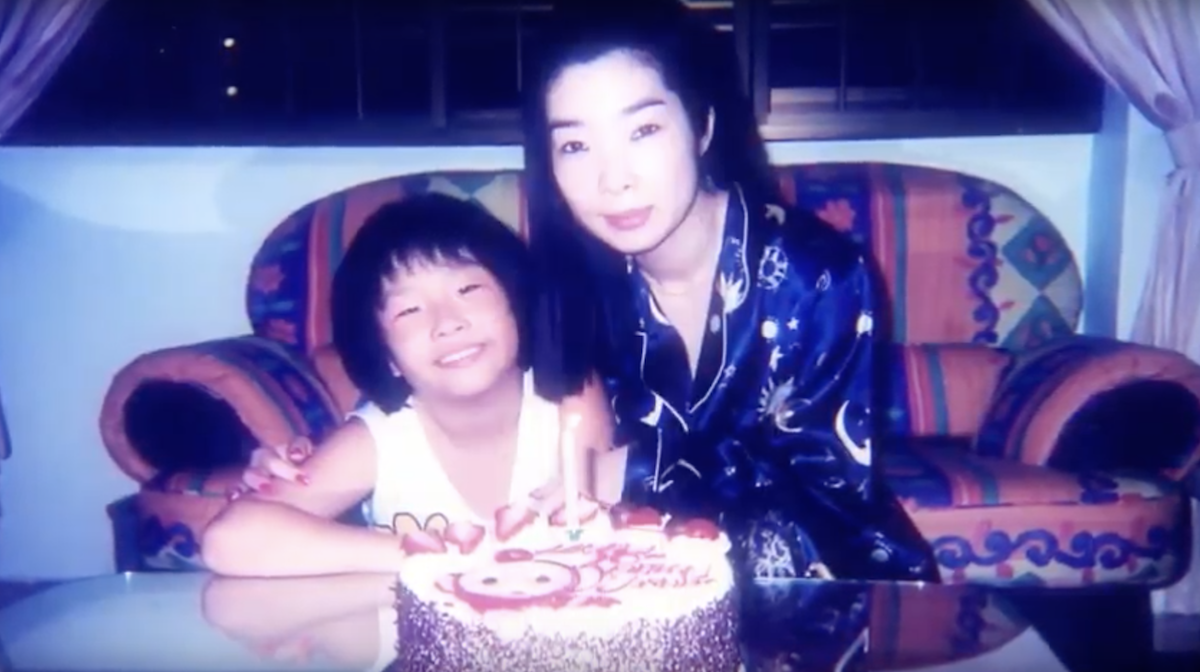
Jasmine as a child, with her mum.
What did it feel like when you first heard the news? What about at the funeral and in the days after?
I don’t know. It’s like I didn’t believe it at first. I wasn’t crying when I was on the way home. So many things were running through my mind. Like thinking if it’s all real. But right after I reached home, I saw my family crying… and then it really hit me. I broke down after that.
During the funeral, it still felt like the fact that she’s gone hadn’t really set in yet. We were busy with the funeral, friends and family came, but once it was over, I would just cry and ask why.
How long did it take you to get over the grief of losing your mother? Was that longer or shorter than you expected, or are you still somewhat sad?
I can’t remember how long I took to get over the grief. I don’t think you really ‘get over’? As days go by, you just learn how to cope better. Of course, I will still think of her every now and then and I miss her. Sometimes, I will just think how great if we could do this or do that together. But hey, it’s okay, she will always be in my heart.
Have you gotten over your mum’s death? If yes, what was the turning point that helped you get over her? If no, why not?
It has been a while. Yes, I’ve gotten over it. There’s no specific turning point. I just look forward. Happy or sad, life goes on. Why not live every day happily, right? Friends’ support is important too. I’m really thankful to friends who stick around and gave their support.
Teenage Jasmine and mum.
What advice do you have for someone who’s just lost a mum?
“Remember that she wants you to be happy too.”
It’s sad. Very, very sad. And it takes time to get better. How? You know, you will never get over it but, you know, you will definitely learn to cope with it. Why do I say that you will never get over it? Because you know that she will always be in your heart. Just remember that she wants you to be happy too. So take your time to look forward and be happy.
Can you map out a recommended path to healing for people who’ve only just lost their mums to follow?
There’s no recommended path. This is what I did: Surround yourself with people you love and keep yourself busy doing things you like. Or do whatever that can make you feel better. It’s hard but you will get better.
How did losing your mum change you as a person? Or did it not change you?
I mean, it didn’t really change me. I had no choice but to learn how to be an adult. I was in a single parent family, living with my grandparents. I was only 21-years-old. I had to learn how to pay bills and how to take care of my younger brother, who is 6 years younger, and my grandparents. So I guess I had to ‘grow up’ faster than I had to be?
If you could go back and replay the time you had with your mum all over again, what would you do differently?
I would probably spend more time with her. Like travelling together?
A tattoo Jasmine got an artist to design for her, concept being her and her mother going on an adventure around the world.
Which major event in your life has made you who you are, in your opinion? Why do you think so?
There’s no major event… you just learn and grow with whatever you’ve been through. Good or bad.
Which 3 objects/people in your life can you presently not live without and why?
My grandmother! She has been the one taking care of us since young.
Jasmine now, grown up but forever 21.
Jasmine is presently a Producer/Director who insists she will never stop being 21-years-old. She is presently working on setting up an e-commerce site and will give us the link when she launches it in the coming two or three months.
Photographs courtesy and copyright of Jasmine Chen. Interviewer: Sy If you found this article useful:
Having ministered to prisoners at Changi Prison and ex-prisoners at halfway houses for the past seven years, Daphne Chua, a Christian, tells LUCK-IT all about the difficulties and rewards of being a prison minister in Singapore.
“It is a roller coaster ride for most.”
Q: How did you start ministering to prisoners? What made you want to do it?
A: I started ministering in Changi Prison five years ago. Prior to that, I spent two years ministering to ex-prisoners at halfway houses. I have always been encouraged by newspaper articles I read about life transformation in prisons and I told myself I would want to do that some day. The call of Jesus to visit those in prison after I became a Christian was the final call for me to step out.
Can you share how you minister to prisoners? Take us through the process?
Each session is two hours long. Starts with worship, then prayer, followed by the Alpha session [an evangelistic course used around the world by various Christian denominations which explores a different aspect of the Christian faith each week], then the session closes with prayer.
How receptive are prisoners when you minister to them? How can you tell when you’ve succeeded/failed in your efforts to get the message across to them?
They are mostly receptive. Some may be apprehensive at the start but after a few sessions, they mostly warm up to our coming. When the inmates look forward to our coming, their warm handshakes and sharing of their struggles tell us we have succeeded in gaining their trust.
How long does it take for you to get a prisoner to accept what you’re telling them and truly believe in it themselves?
It is a roller coaster ride for most. Usually after a few weeks, they see the hope but again, there will be setbacks that cause them to lose confidence from time to time.
What’s your worst experience when ministering to prisoners? And what’s the best?
Worst: We go in without expectations so nothing can be bad when you do not expect anything good.
Best: When you know the inmates trust you and when they look for you when they are discharged.
Are there any traits/personal experiences that make a prisoner more likely to accept your ministry, from your experience?
Being genuine is the most important trait to receive acceptance.
Conversely, are there any traits/personal experiences that make a prisoner less likely to accept your ministry, from your experience?
When one talks down on them… or shows that we are more superior.
Daphne hosting fellow volunteers and prisoners she’s ministered to at a BBQ get-together at her house.
What’s the single most effective method of getting a prisoner to accept your ministry, in your opinion?
Using the word of God in a non-threatening, yet firm and loving manner.
What advice do you have for someone hoping to minister to prisoners?
Genuine love and concern for the least in the society.
Can you map out a recommended path for people who want to minister to prisoners to follow?
Be a disciple of Christ.
What are the key things/people/situations that contributed to your ability to be effective as a prison minister, in your opinion?
Fellow volunteers of the same mind, with the same care and concern for the those in incarceration.
How did the experience of prison ministry change you as a person? Or did it not change you?
It humbles me and makes me more thankful that God has taken care of me and that I have been blessed to be watched over and protected by Him.
If you could go back and replay your prison ministry journey all over again, what would you do differently?
Of all the objects you bought in your journey of doing prison ministry, which has been the most useful, in your opinion? Why?
God’s words i.e. the bible and the materials we use to share with the inmates.
What is the worst advice you’ve been given, or have heard people giving, with regards to dealing with prisoners? And what’s the best?
Best advice: Not go for the number. It doesn’t matter if anyone is transformed in the process of being ministered to. Just do as love compels you to do.
Worst advice: They are crooks, never to trust them. But in a way, it creates the awareness of being discerning and helps me be on my guard against people who are out to exploit your kindness.
Daphne is presently a realtor, busy with real estate work and prison ministry, which she has no plans to stop in the near future. She’s open to answering questions about the above topic so if you have any, drop them in the comment box below.


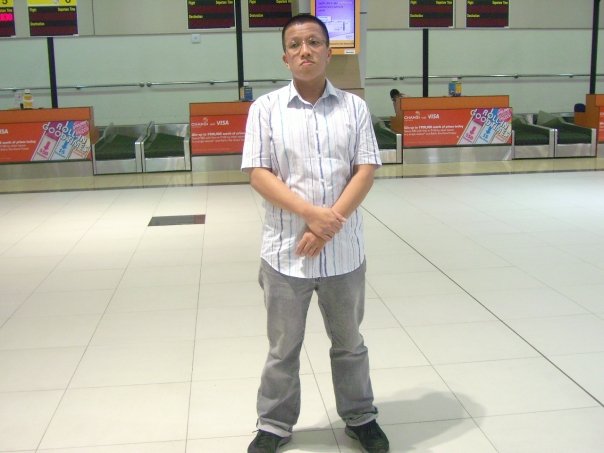


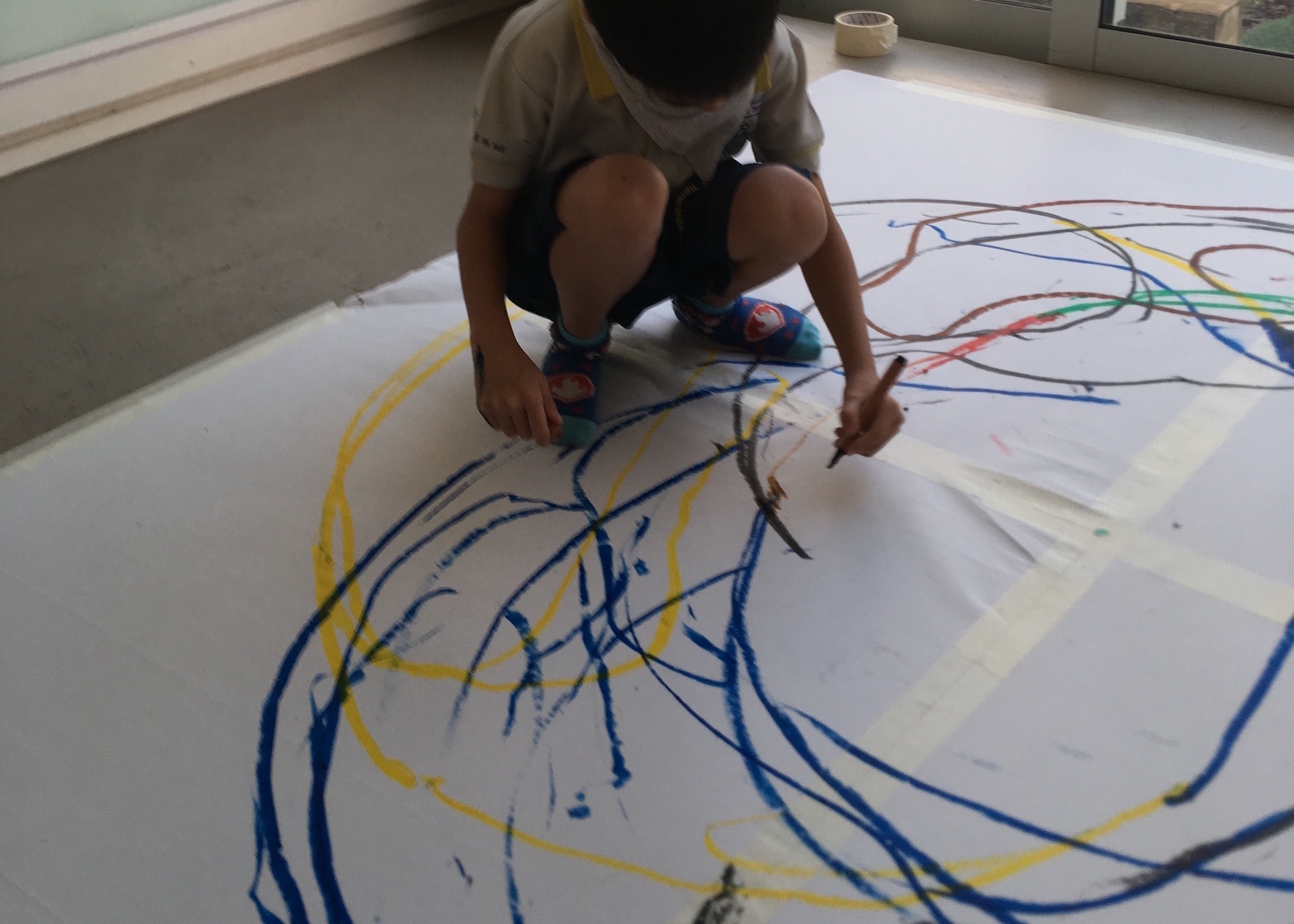


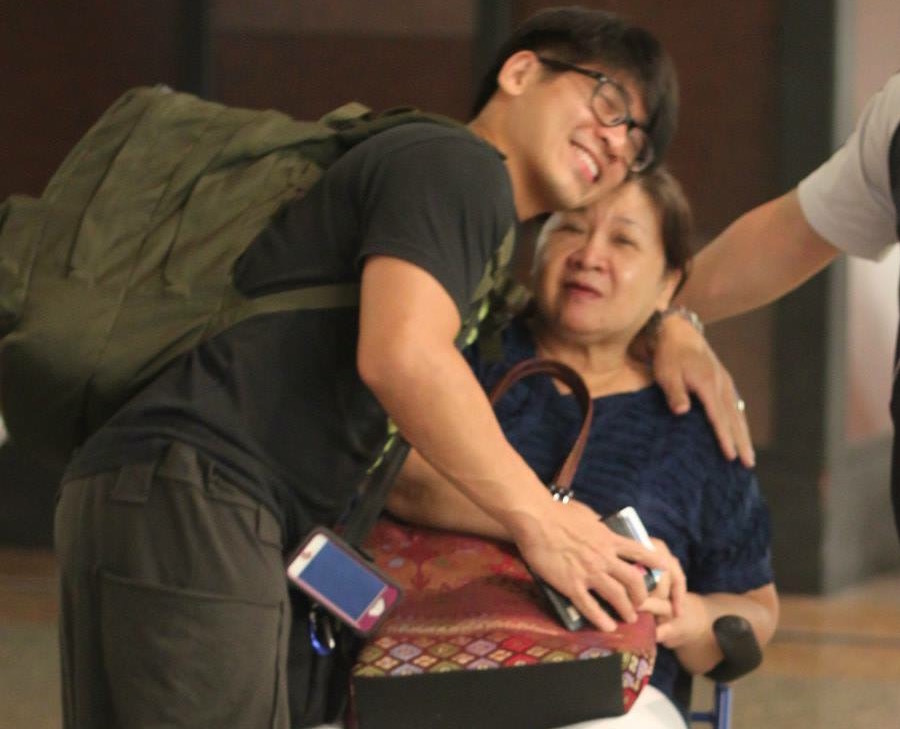

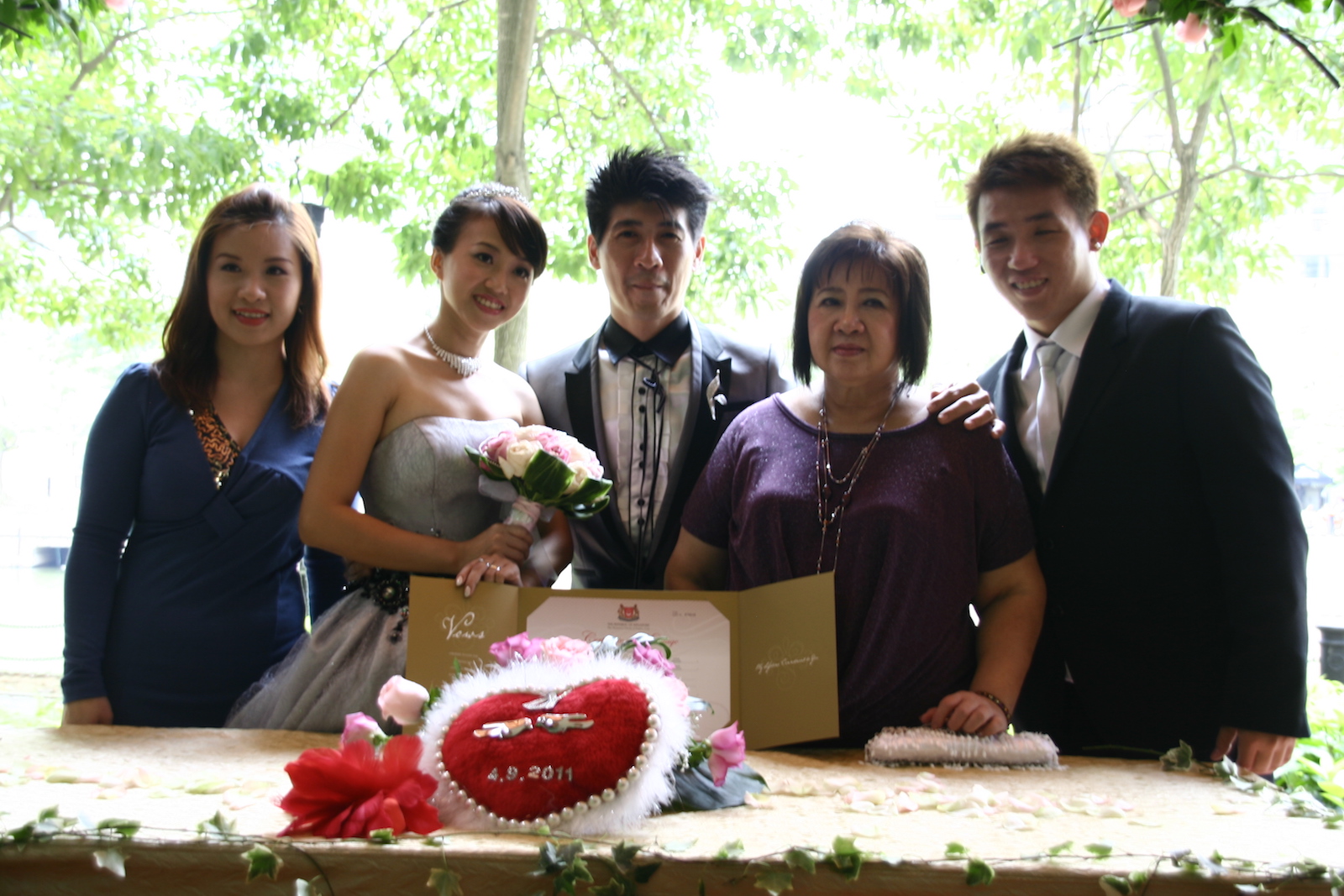











![The helmet Wing bought from a hardware shop on the Kowloon side before joining the protest because most shops on the protest side [the Hong Kong Island side] were closed and surrounded by police. "People only put on their helmets when it is about to be chaotic. If you wear a helmet in the MTR or in that area, you are more likely to be stopped by the police.”](https://i0.wp.com/luck-it.net/wp-content/uploads/2019/06/16m-3.jpg?resize=600%2C800&ssl=1)