We’re going to take a break from our interviews and life summaries for a while because we need all hands and brains getting that life simulator game* we’ve been developing over the finish line while it’s still hot and toasty…
(*It’s something like a mix of BitLife, InstLife, Real Lives and The Sims 2, but with LUCK-IT features too. If that’s your cup of tea, you can tell us to notify you when the game is born here:)
When we finish that, we’re also going to give all of LUCK-IT’s pages a brand and interface makeover to integrate it with that game and make it less 2019 and more 2029…
Till next time, dear reader! Time flies, has always flown and will be flying now too. We’ll be back before you know it!
“Only those who dare to fail greatly can ever achieve greatly,” Robert F. Kennedy once said. But how do you really deal with the feels and heal when failure really does hit you in the face? We asked our interviewees for tips.
Choo Bin Yong, game designer who runs solo: I think just looking at the history of how most successful people had experienced failure before they achieved success makes it feel easier to move on from failure instead of wallowing in it.
Jack, who moved from China to Cambodia in the thick of the COVID-19 pandemic: It’s like I’m constantly telling my daughter, keep things in perspective. We all fail. I’m nobody special, so I’m going to fail, too. And, I use some very self-deprecating humor too.
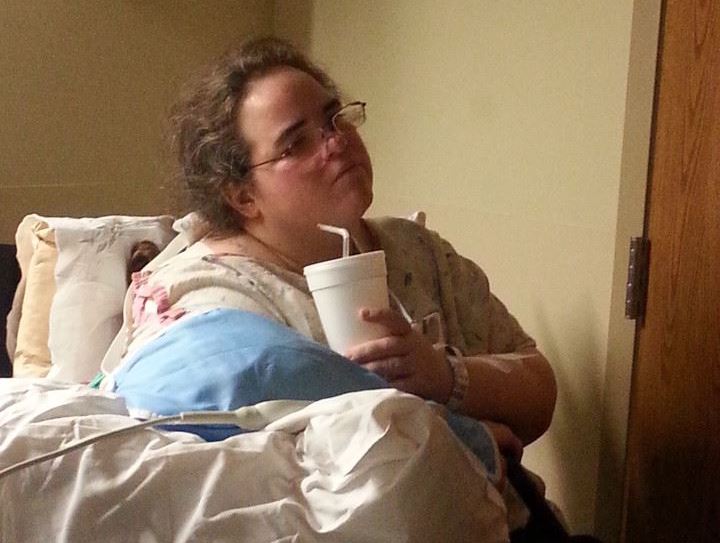
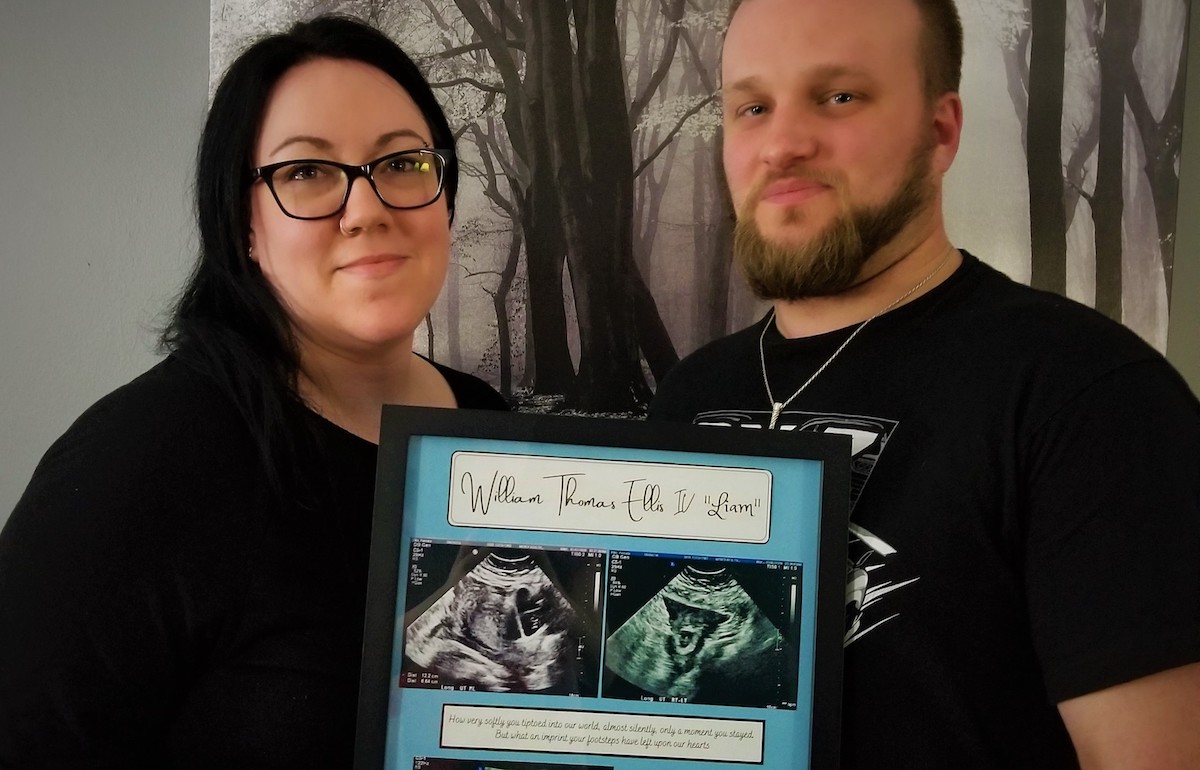
Pamela Ellis, who survived an ectopic pregnancy: I try not to be so hard on myself. I survived something that almost killed me, it’s okay if I fail. My self-talk has become more loving and caring. I talk to myself with more compassion and understanding than I would have in the past. It’s okay. Everything will be okay.
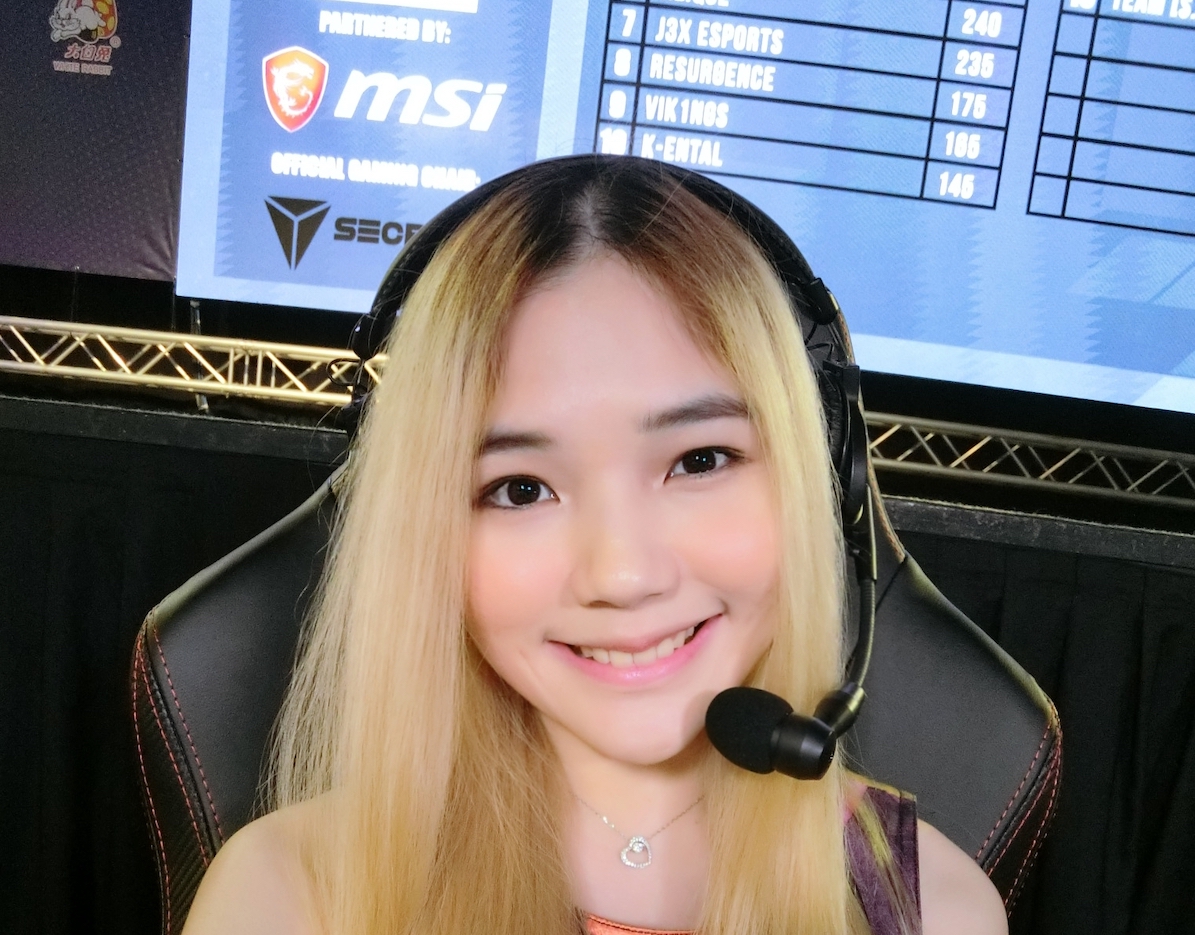
Tiffani “Oling” Lim, esports professional: When that happens I will take some time off, read some books and reconnect with friends; it’ll really helps clear my mind and put things into perspective. Once I’ve recovered and readied myself with a fresh mindset, newly-armed with yet another valuable lesson in life, I can bounce back stronger than ever.
Caren Robinson, who survived a major traffic accident: When I am experiencing failure it usually includes an emotional breakdown of some sort. The extent of that feeling is highly dependent on the perception of the importance of the potential success that I somehow failed at. I have gotten better about preparing for that potential and back up plans and support around that possibility. I force myself to focus on positive self- talk and focus on the things I have accomplished that day, or in that moment. Positive quotes and memes are helpful. Something else that helps is sleeping. Just taking a nap to escape for a bit. Sometimes it is also helpful to just rage out and vent to somebody.
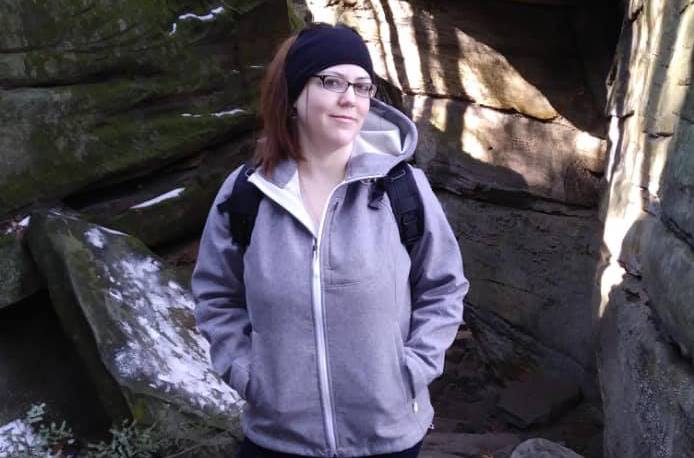
Jessica, who has Crohn’s Disease: Recovery time, resting, taking personal time for myself to meditate, sit outside for 15 minutes, take a hot shower, if all else fails talk to my support system, my sister.
Joan, a minimalist: Talking it out to friends/team mates and working towards plan B. Sometimes, the perceived failure in one’s mind overwhelms the reality of it. What may seem like a failure is usually a huge learning curve forward for you and your team.
Dr Bob Rich, author of many books: There is no such thing as a failure, fault or defect. There are only learning opportunities. And if someone else can do it, I can learn it. Hmm… that’s except for singing. You really, really don’t want to hear me sing.
Also, Edison once said, “So far, I have found 99 ways that you cannot produce an electric light.” He did get there in the end, didn’t he?
Since 2015, one of my major projects has been to write a science fiction series, and for the past several months, I’ve got serious about pestering agents and publishers about it. Long way to go before I reach 99. I could self-publish, but it’s too good for that. Harry Potter, look out! At my blog, Bobbing Around, I have a long list of short stories, and several are extracts from this series, so you can see for yourself.
The Amateur Trader, self-employed occasional trader: To remember that if I had the courage to begin, then I have the courage to succeed.
Sy, founder of LUCK-IT: I remind myself of the long game always.
What about you? What do you do when you meet with failure? Tell us in the comment box below and we’ll add it to the list. More questions for you to answer in The Wisdom of Crowds series here.
Want to be featured too? Say hi in the comment box below or tell us here. If you found this article useful:
Avoiding GMOs? Meditation? Phone detox? What do our interviewees do to keep their bodies and minds up and moving in tip top shape? We asked them.
Jack, who moved from China to Cambodia in the thick of the COVID-19 pandemic: Since lockdown last February, I’ve lost 50 pounds mostly by avoiding carbs and sugars. My blood pressure is better and I’m eating a more plant-based diet. I’m hoping to run a marathon this year—I know, hope isn’t going to do it—so I’ve started a training regime.
Pamela Ellis, who survived an ectopic pregnancy: I’ve changed my diet to include more healthy options and started my exercise routine back up. I wear a mask as recommended if I do go out and I avoid crowds. Hand sanitizer is my new best friend. I’m also taking more time for my mental and emotional health. Increasing self-care and self-love practices.
Caren Robinson, who survived a major traffic accident: I eat as naturally as I am able to. I focus on foods that are non-GMO. I utilize supplements, Homeopathics, Medical Acupuncture, and self-pacing to take care of myself. I don’t drink anything with artificial sweeteners or caffeine. I don’t use illegal substances or opioids. I say “no” more often and set healthy boundaries for my social involvement (even the time with my family). I embrace things that help me control myself better (aromatherapy, meditation, pool therapy, moist heat, listen to music, etc). I use an electric cart at the store on bad days and walk on good days. I make a habit of going to places that I know where the bathroom is, where groups are smaller, and have seating that is comfortable for me.
Tiffani “Oling” Lim, esports professional: I’ve picked up yoga last year, that’s the only way I’ve been able to maintain a minimal form of exercise since the beginning of 2020. And I believe that having a balanced diet is key.
Jessica, who has Crohn’s Disease: I am on 3 strict diets, I am in a weight loss program, I use a meditation app called Insight Timer daily, I make sure to still stay connected to family and friends.
Dr Bob Rich, author of many books: Last September, I had my 12th opportunity to die (if you like a laugh, you can read the story here), so had to build up again. I went for a bike ride this morning, and am still puffing from it. This is around a 3.8 km circuit. I can do 1 lap far faster than previously, and 6 laps 3 minutes faster. Today, I did 7 laps, 5 minutes slower than my previous best, when I used to do 8, so still need to increase endurance. I also do power exercises, and with all but two, have improved on last year. Small steps take you a long way.
The second thing is meditation every day. It feels good, tunes up the immune and digestive systems, and helps to heal injury or illness.
The third thing is what they say about computers: “Garbage in, garbage out.” So, I do my best to avoid eating garbage. That’s easy because I am married to a champion cook who LOVES to produce things of beauty on a plate.
Choo Bin Yong, game designer who runs solo: I do some regular short jogs once a week with some home exercises. Also been staying away from using my phone too much.
Joan, a minimalist: I make sure I have my 2-3 servings of fruit and veg daily. I also do a short work out in the mornings to get my blood pumping before my mind wakes up. To end the day, I have a “shut down” routine to keep work out of my personal life.
Sy, founder of LUCK-IT: I have a weekly routine that gets me slightly more than the recommended amount of exercise, sunlight and sleep. I also eat unprocessed vegetarian meals whenever possible.
The Amateur Trader, self-employed occasional trader: Nothing special actually.
What about you? What do you do to keep healthy? Tell us in the comment box below and we’ll add it to the list. More questions for you to answer in The Wisdom of Crowds series here.
Want to be featured too? Say hi in the comment box below or tell us here. If you found this article useful:
Jessica was 11 when the persistent pain in her stomach led her to be diagnosed with Crohn’s disease. She told us how Crohn’s changed her life and what living with it for 17 years has been like.
“Pain changes you as a person.”
Q: Hi Jessica, welcome to LUCK-IT! To start, could you tell us a little about yourself?
A: Thank you! I am excited to do this interview with you. My name is Jessica, I am currently 38, living in Ohio with my cat, Tuna and my husband.
How did you find out you had Crohn’s disease? What were the signs that led you to discovering so?
I was 11 years old at the time having severe stomach pains, really gassy and bloated. It was so painful to eat anything and I was living in the bathroom. One night I was at the dinner table trying to eat and I doubled over in pain and my dad rushed me to the hospital.
For the benefit of those who don’t know, could you explain what Crohn’s Disease is?
Crohn’s Disease is a chronic inflammatory bowel disease that affects the body. It can affect anywhere from your mouth all the way through your body. It’s an Autoimmune Disease where your body attacks itself. Crohn’s disease can sometimes cause life-threatening complications. Treatment can help, but this condition can’t be cured. Crohn’s disease can cause abdominal pain, diarrhea, weight loss, anemia, and fatigue, with much more. Some people can go into remission, while others can have severe chronic symptoms that never go away.
What treatments did you receive right after diagnosis and how did those help you?
It took the hospitals a full year of testing before they could fully diagnose me. They did bloodwork, Cat Scans, M.R.I.’S, Colonoscopies, Endoscopy, and started me on a steroid called Prednisone. The steroid at the time was the only drug that was slowing down the bleeding going on in my insides.
“Taken in 2010, right before my first major Crohn’s surgery where they took out my whole colon and large intestines.”
What other symptoms remained after your initial treatments and how have you been dealing with those?
Once you are diagnosed your symptoms remain unless the medication your on works or you go into remission. I still have stomach pains, nausea, pain after eating, nights where I am up all night in the bathroom. It’s very exhausting to deal with. Music has been a huge help in dealing with the stress of it all.
From your experience what types of diets and lifestyles work best for someone with Crohn’s? And which ones are the worst?
Everyone with Crohn’s is different, but in my experience I have to have a strict diet of nothing spicy, no raw vegetables, no harsh meats like ribs. A soft food based diet works best for me. The worst is popcorn, nuts, and anything spicy.
Which 3 objects or people are most useful for you when dealing with Crohn’s flare ups?
I can not stress this enough, a heating pad and any kind of heating pad is a life saver! Hot showers, and lots of bed rest. The less stress you have in your life is better cause stress causes flare ups.
Which place was most useful?
Any place that relaxes you is your most useful.
Do you think you will ever be able to eliminate Crohn’s disease from your life? Why or why not?
You can do your best to maintain your symptoms and try to go into remission but Crohn’s disease can always come back. I went into remission for 9 years after a j-pouch surgery. Now the disease has come back and it’s started all over again.
“Me during remission in 2015.”
What did you learn from having Crohn’s that you didn’t know before? How did you change as a person?
Getting it at such a young age I had to grow up before my time, I felt my teenage years were stolen from me so to speak living in the hospital. I learned compassion for others who go through sickness and pain changes you as a person.
If you could go back and replay your time before developing Crohn’s all over again, what would you do differently?
I wouldn’t have changed a thing. I was 11, on a softball team, was able to go to school, was able to play outside and be a kid. Getting Crohn’s I had to quit it all and go on homeschooling.
What advice do you have for those who are presently coping with Crohn’s disease too? And what advice do you have for their family and friends?
You will get through it even when you feel like you won’t. It’s okay to feel mad and cry and have sick days and it’s not your fault. For friends and family, please don’t push, we know our bodies, just be our support.
Lastly, how are you doing these days?
Thank you so much for asking! Since getting Crohn’s, the disease has caused 6 other illnesses, and I have beat colon cancer. I am doing okay.
Jessica hopes to lose 60lbs this year and has joined a weight loss program for that. You can connect with her on Facebook, Instagram, Twitter or tell her your own stories using the comment box below.
More interviews with people who’ve been through life’s challenges here.
Photograph copyright of Jessica. Interviewer: Sy Want to be featured too? Tell us here. If you found this article useful:
Ruth Bader Ginsberg faced difficulties getting a good job and equal pay because of her gender and identity as a mother but eventually found a way to not only transcend the limits placed upon her but free others from theirs as well. This is the story of the life of the tiny legend they call RBG.
1933 – Joan Ruth Bader Ginsberg is born to immigrant parents from the Ukraine and Poland. She has an older sister who is 4 years older. Her father sells fur hats and coats, her mother is a homemaker. They live in a two-family house in Brooklyn, New York.
Age 2 – Joan’s elder sister dies at age 6. Her mother teaches her to read.
Childhood – Joan begins to go by her middle name, Ruth because there are too many Joans in her class. She is a good student who likes to play jump rope and skates. Her mother often takes her to the theatre and library.
High school – She remains physically short. She gets straight As and plays the cello at the high school orchestra. And she joins the Go-Getters Pep Club, edits the school newspaper and dates boys. There are no sports teams for girls in her school. In the meantime her mum is diagnosed with cancer and undergoes treatment. Ruth does her homework by her mother’s bedside at night.
Age 17 – Her mother dies one day before her graduation. She misses graduation because of this.
College – Ruth goes to Cornell University using funds her mother saved up for her. She decides to pursue a career in law in university. She meets Marty Ginsburg who she says is the only boy she met who cares that she had a brain. They both apply to Harvard and get in.
Age 21 – She graduates from university and marries Marty a few days later. Shortly after, he is called to serve 2 years on an army base in Oklahoma and she moves there with him, taking a job at a Social Security office.
Age 22 – They have a baby daughter and name her Jane.
Age 23 – They leave the military base and go to Harvard law school together. Of the 500 students in class, Ruth is just one of 9 women.
Age 24 – While juggling child-care and studying, they discover Marty has cancer and has to begin treatment immediately. Ruth takes on looking after him as well.
Age 25 – Marty beats cancer and graduates on time. He gets a job in New York City. To be with him, Ruth moves to New York City and completes her last year of law school at Columbia University.
Age 26 – Ruth graduates as number one in her class. However despite sending in over 40 job applications, not one law firm wants to hire her because she is female and a mother. She ends up working as a clerk to a federal judge.
Age 30 – She gets a new job as a law professor at Rutgers University in New Jersey. She becomes one of the few female law professors in the country but is paid less than her male colleagues doing the same job.
Age 32 – Her son, James is born. She transfers to Columbia University Law School and eventually becomes the first woman to receive tenure there.
Age 39 – She files a lawsuit for equal pay for female professors at her university and they win. Then she volunteers as a lawyer for the American Civil Liberties Union.
Age 40 – She fights to get Air Force housing and medical care benefits for the husband of her client, Sharron Frontiero who was denied such benefits on the basis of being female. She wins and this impacts all women working in the US military from then on.
Age 42 – She fights for the right for a single father Wiesenfeld to get benefits for staying home to look after his baby son—a right which is usually only paid to women. She wins again. For the next few years, she will go on to pursue more historically significant cases and win most of them.
Ruth aged 47, shaking the hand of President Jimmy Carter at a reception for Women Federal Judges.
Age 50 – Ruth is appointed federal judge in Washington D.C.. She has to quit teaching and representing cases as a lawyer as a result. Marty moves along with her and gets himself a new job teaching law in Washington.
Age 60 – President Clinton picks Ruth to be the next justice at the US Supreme Court, and also its second woman ever. The Senate unanimously votes her in. She becomes one of the nine justices in the Supreme Court.
Age 63 – She continues to fight for gender equality in Court and is considered part of the Court’s liberal wing.
Ruth aged 60, being sworn in as Associate Supreme Court Justice.
Age 66 – She is diagnosed with colon cancer. She continues to work while receiving treatment.
Age 76 – She is diagnosed with early-stage pancreatic cancer but goes back to work after her operation.
Age 77 – Marty dies of cancer.
Age 80 – The majority of the justices in the Supreme Court vote to remove parts of the Voting Rights Act. Ruth vehemently disagrees with this. Citizens who agree with her begin seeing her as a hero. She goes viral on the internet and people start calling her RBG. She becomes famous despite not being able to change the ruling.
Ruth aged 76, with her colleagues at the United States Supreme Court, the highest court in the US.
Age 85 – A documentary about her life, ‘RBG’ is shown nationwide. A film about her called ‘On the Basis of Sex’ follows.
A year and approximately 2 months ago, the World Health Organisation declared the then emerging COVID-19 situation a pandemic. How has that affected the lives of our interviewees since? We asked them.
Jessica, who has Crohn’s Disease: I lost my home of 14 years, almost became homeless. We lost everything cause of the pandemic in 2020.
Caren Robinson, who survived a major traffic accident: It has made things much tougher financially as my husband lost both of his jobs for several months. It has made me apprehensive about leaving the home due to my autoimmune disorders. My kids have been doing online school since Spring of 2020 and they are home all the time now. This has been hard on all of us. It has completely messed up my routine and has forced me to adjust how I do everything in the household.
On the other side of it, it has been a mixed blessing because I have a lot more time with my husband and my kids now in a time when I am aware of it. I feel that surviving a Polytrauma and Brain Injury has prepared me to get through a Pandemic virtually unscathed mentally. I believe it is because I am already used to isolation, losing contact with friends, losing a job, and all the changes that people around the world are now experiencing. I am hoping that the Pandemic experience will make Healthcare providers and society in general a bit more sensitive and able to somewhat understand people who have invisible injuries, and limitations they cannot control.
Pamela Ellis, who survived an ectopic pregnancy: Because of Covid, I had to do the ultrasound, hear my baby’s heartbeat, go through the surgery, and recovery at the hospital all by myself which was scary. It was the first time I ever had surgery so doing it alone was awful. For my day-to-day life, I’m fairly introverted and reclusive already so the social aspect hasn’t affected me too much. I do miss taking the kids to the museums and parks around the area. We have stayed away from large gatherings this entire time. My oldest son is high risk so we don’t want to take chances. We also don’t see our loved ones as often as we would like. The kids have been doing online schooling and they absolutely hate it. I do too. LOL. They miss their school friends. Other than that we have been very lucky. My husband is an essential worker so everything has stayed the same for us other than the kids’ schooling and doing fun activities outside of the home. Money isn’t as abundant as it used to be either.
Tiffani “Oling” Lim, esports professional: It honestly hasn’t made much of an impact since I rarely leave the house in the first place, I can’t bear to be apart from my gaming rig/home office, and I’ve always been a bit of a germaphobe anyway. Only difference is that I’ve had to stay in Singapore for most parts of 2020 and I think that’s the longest I’ve gone without seeing my mom. It’s made me realize how much I’ve taken travelling freely for granted in the past.
Jack, who moved from China to Cambodia in the thick of the COVID-19 pandemic: My wife and I have always been homebodies. It has made us appreciate our lifestyle much more. We are content with staying home and slowly exploring the city of Phnom Penh and Cambodia. We are moving at a pace that I’m much more comfortable with.
Dr Bob Rich, author of many books: I am very fortunate. Australia, my country, has done well in minimising damage from the dreaded bug. Social distancing and masks haven’t bothered me any. Being a loner, I haven’t found lockdowns to have caused me any grief. Probably the major change is that I have been attending 2 or 3 times as many meetings as previously. You see, being an environmentalist, I minimise car use, so often in my life I have declined to attend a meeting. Now, everything is online, or at least there is an online option.
Oh, why the meetings? Other people have a terrible habit. Whenever I express interest in a group, they twist my arm to go on the committee. So, I belong to a political party (Australian Greens) where I have 3 or 4 official roles at any one time. I work with a refugee organisation, belong to a cooperative, help to save the local environment of my little town, and belong to a wonderful group who help people down on their luck. Then there are the many groups over the internet….
The only real negative effect of the pandemic on me is because I have too much empathy. OK, I’ve been safe, but I feel the pain of those who have suffered, in one or more of many ways. I know many such people, but since I consider all of humanity my family, there is a risk that I’ll cry for them all. So, I need to use my Buddhist tools flat out to stay sane.
Choo Bin Yong, game designer who runs solo: I think there is both positive and negative changes. On the positive side, my mobile games have gotten more downloads and exposure. On the negative side, I feel more restricted as in not able to go out as much as before.
Sy, founder of LUCK-IT: I really miss travel, concerts, events, commercial karaoke, dining with large groups of people, people-watching, being able to get in and out of buildings conveniently, being able to be out without being paranoid about touching surfaces, fresh air against my cheeks and of course being able to enjoy the services of certain businesses before they closed down… but at the same time there have also been opportunities that a person in my situation would never have been able to get without a pandemic, so I would say this has been a very emotionally confusing time.
Joan, a minimalist: It taught me to be more deliberate in living a focused life and to enjoy my own company a little bit more.
The Amateur Trader, self-employed occasional trader: Put my 2020 experience to good use and may that help me be mIt showed me, based on the pivoting that I did, that it is actually possible to make a reasonable living without doing my previous job. To an extent, I didn’t miss my previous job that much too, as much as I liked it a lot.
What about you? What did you go through during the COVID-19 pandemic? Tell us in the comment box below and we’ll add it to the list. More questions for you to answer in The Wisdom of Crowds series here.
Want to be featured too? Say hi in the comment box below or tell us here. If you found this article useful:
Tiffani “Oling” Lim was 22 when she decided to turn away from the careers her studies prepared her for, risk suffering her parents’ wrath and move to a training house in Malaysia to pursue a career in esports. We asked her how she did it and how that fateful decision has since paid off.
“It doesn’t even feel like work, most of the time. It’s like something we may even be willing to do for free, so getting paid on top of that is a bonus.”
Q: Hi Tiffani, welcome to LUCK-IT! Could you tell us a little about yourself and how you are involved in the esports industry?
A: Hello! I’m Tiffani, also known as Oling or Babyoling to my friends in the industry. I’ve been in the esports industry for 7 years now, for the past 3 years I’ve been with Battle Arena Malaysia, a high-end esports hub, as their Head of Marketing & PR. I’m also the chairperson of the International Esports Federation’s (IESF) Athletes’ Commission.
For those who don’t fully understand what esports is about, can you explain what it is? What are the roles available in the industry and how big is it?
Esports is a niche industry that was built around gaming tournaments that can fill stadiums and attract large crowds of gamer fans.
Many people confuse “esports” with “gaming”. While there are some casual games that we play to relax, esports usually revolve around the most competitive and high-pressure game titles like Dota 2 or Fortnite, where strategies, communication, reflexes and skills at the topmost level are required in order to win. So gaming is to esports as casual street basketball with friends is to competing in the NBA – the former is a hobby, while the latter is a professional career; a livelihood that requires utmost dedication.
And just like in sports, esports feature regular, seasonal tournaments of all sizes which culminate in grand finals that are usually held offline. And the whole ecosystem is built around these events – you have the offline events crew, technicians, planners and marketers to put the event itself together, your online broadcasting crew who work behind-the-scenes to produce the live feed, then there are talents such as hosts, commentators, panelists, and of course you have the stars of the show – the esports players themselves who train full-time and compete for tens of thousands of prize money. There are also team owners, managers, coaches, even psychologists and nutritionists as part of the teams’ support crew.
Tiffani commentating PUBG games at the Asia Game Festival in Singapore back in 2018.
As for how big the industry is, a simple search would tell us the estimated valuation. I don’t believe in these statistics, but esports’ exponential growth has been evident in the fact that there are many celebrities and traditional sports club owners who’ve started investing in esports brands; esports has also been recognized as a medal event, at the 2019 SEA Games as well as the upcoming 2022 Asian Games. Right now the IOC is also considering including esports in the future Olympics, but truth be told, the esports industry is already flourishing without its inclusion in mainstream sporting events, and it will only continue to grow as our habits in entertainment consumption shift over time.
Why did you want to join the esports industry and how did you get your first job in it? Did you have to move to another country to get involved in it or were you able to start where you were?
My initial venture into esports was more of a spur of the moment decision – I started shoutcasting (commentating) DOTA 2 during my university days in Singapore, and formed an all-female DOTA 2 team to compete in tournaments. An opportunity then came by where I was offered to manage a top-tier Malaysian DOTA 2 team (Team Titan), that’s when I took the leap of faith and moved back to Malaysia. And that was my first contract in esports.
To further my esports career I had to move to and stay in Malaysia – the scene in Singapore was comparatively smaller, and even when there were many passionate and capable people running the scene esports could never really gain traction or governmental support openly due to the societal culture that values academic excellence over all else. Gaming, and by extension esports, has thus always been seen as a bane and it’s going to take much more to convince parents or even athletes themselves that esports is a path worth exploring.
What are the challenges of working professionally in the esports industry and what are the benefits? Also, is it really possible to make a living from specialising in esports?
The main challenges would be things like not having a stable salary – the inherent nature of the industry is that it’s events-based, so paying jobs are mostly on a contract/adhoc basis. For talents, players, production & events crew alike, that’s the norm everywhere. Things have definitely improved over the years but there are still many newcomers in the industry living paycheck to paycheck. Players too if they’re past their peak, or struggling to reach the level of competitiveness where they can be picked up by pro teams.
Tiffani being interviewed by the Malaysian TV channel NTV7, at the inaugural Flight of the Valkyries tournament which she co-founded and organized.
That said, the excitement in knowing that every project would be different and has to be tackled differently is the main benefit I can see; coupled with the fact that many of us stepped into the industry in the first place because we are deeply passionate about esports, so it’s never boring to us. It doesn’t even feel like work, most of the time. It’s like something we may even be willing to do for free, so getting paid on top of that is a bonus.
Yes it is entirely possible. Either by becoming an esports player, an on-screen talent, or by working in production, events or team management. As long as you have the passion or skill and are willing to learn, you can make a living in esports.
What is it like being female in the male-dominated esports industry?
Essentially you have to prove and keep proving your “geek cred” to everyone, including those you intend to work with. I imagine it’s probably the same or similar in engineering, politics, IT or any other male-dominated industries; people will assume that you don’t know your stuff, so you just have to keep proving them wrong. And the community would usually be skeptical or patronizing when they look at a female in esports, and it would take years of consistent hard work and an almost impeccable record for females to really gain any sort of recognition, validation or respect in the industry.
I don’t think there are females holding top leadership positions in the industry for our region, and the only few female leaders I know who own some of the top esports organizations in China and the US, all of them have been under attack by really nasty and vicious comments by netizens, suggesting that they relied on their sexuality to get to where they are today, despite their obvious success in running their companies that can only be credited to talent and grit. Females in esports generally have to endure much more “nonsense” compared to their male counterparts, and it’s always “guilty until proven innocent”.
Worst part is when you’re a public figure while the hurtful comments or accusations come from netizens shrouded behind the anonymity of their screen names. It’s really unfair that way, but it does train you up and strengthen your resolve.
Which 3 objects or people are most useful for you as an esports professional?
I rather not touch on people because there are simply too many of them to name who’ve inspired or guided me on my path in esports.
I would say Battle Arena since it’s a place filled with fond memories for me; it’s held many past events which I’ve been involved in, including the very first female tournament I’ve organized, the “Flight of the Valkyries”.
What did you learn from being an esports professional that you didn’t know before? How did it change you as a person?
I never thought that I could derive such a great deal of joy and contentment from giving and aiding others. I’ve had many mentors in my journey who would give me valuable advice unconditionally, so I’ve taken it upon myself to pass the favor on to others who’ve come to me for advice. Helping others understand esports better, or even grow and flourish in the industry, just gave me so much pride and happiness that I have been doing it more over the years. This is the prevailing culture and the beauty of esports, and it happens when everyone’s united by the same passion and only want the best for the industry.
So changes-wise I guess I’ve since become more altruistic, in that sometimes even if the goal is far away and there’s no end in sight, as long as it’s for a good cause and that it can help people out, I would trudge on.
Tiffani during a Flight of the Valkyries tournament video shoot.
If you could go back and replay your entire career, what would you do differently?
I probably would’ve taken up a particular job offer in China, just to learn more about how they do things over there, since their esports production is on an entirely different level. Back then I didn’t take it up since I was just in my early 20s and having to move there alone was a daunting prospect. And as a result I feel that my view of the industry today is lacking and myopic at best.
What advice do you have for those who are presently thinking of becoming professionals in the esports industry too?
If you know what you want to do in esports, that’s great, just don’t get in over your head since it’s a highly-competitive environment, so please always be mindful of the realities of the industry. If you don’t know what you want to do, you can just get started somewhere first and figure it out along the way. Passion will bring you to great lengths in this industry, and that’s what’s amazing about esports.
Stay humble and willing to learn; the industry is small and word spreads so don’t think you can get away with bad behavior. Always do the right thing even when nobody’s watching.
How has and how will COVID-19 impact the future of esports?
The pandemic had greatly limited the types of entertainment that we have access to, and esports viewership likely benefited from this change in lifestyle. People have more time and reasons to watch gaming streams, so the demand for online esports content/events has gone up. On the other hand, at the heart of esports is the unique charm of offline events, where like-minded fans can gather in the same stadium to cheer for their teams, you get to see your favourite casters and players up close… it’s a wholly different kind of experience and atmosphere that online events aren’t able to replicate.
Esports is already largely online-based with no need for contact or for participants to be physically in the same space, so it’ll be easier to organize compared to other sport titles, perhaps getting a head start during the first phase of recovery. There have been two international esports events held in Singapore already (Mobile Legends M2 World Championship, Dota 2 Singapore Major) when most countries haven’t even begun vaccination for their people.
As the global community adapts to this new lifestyle, and the generation of gamers start to age, esports may eventually grow to edge out some traditional spectator sports that may be more difficult to produce in the “new normal” that we’ll have to start embracing in the near future.
Lastly, anything else you would like to say?
Yeah I do have a rant about content creating…
The reason why I rarely stream nowadays is because I prefer to play games that I like, instead of adjusting the types of games I play according to the community’s tastes and likings. For example, mobile gaming is really huge nowadays and garners huge viewerships, so almost all the existing streamers switched from PC to mobile games. But this is something I don’t really agree with, because I feel it can be a slippery slope. Once you start to change your content’s direction for the sole purpose of garnering views and attention, it’ll get harder and harder to notice when you’ve gone too far, or realize where you should eventually draw the line.
If for example you realize your viewers love to watch you swear, the positive reinforcement will influence you to start swearing non-stop on stream. If one day you realize that your viewers love to leave racist or sexist comments, you may find yourself purposely changing your tone to match theirs in order to please your audience; it’s just like how you switched from PC to mobile, but the difference is that your speech can potentially become a huge social issue since streamers usually have large followings, and people who watch gaming streams, many of them are children or underaged. What sort of messages would you be sending to them?
The sad thing nowadays is also that Facebook and other social media platform’s algorithms favor drama and sensationalism. So as you compete for views and try to earn from your streaming career, you have to make these decisions very often. I’ve personally made it a point to turn down all endorsements of shady or grey area businesses, in order to keep my social media presence clean and not to impart any questionable values. But at the same time I’ve also seen many public figures in esports who don’t share the same principles, so that’s quite worrying.
I feel that many content creators need to realize that they have a social responsibility to play, and actively avoid the “easy way outs”, such as endorsing or condoning – betting, misogyny, sexual harassment, toxic behaviour, online gambling, matchfixing, or things like encouraging viewers to blow their entire rent or hard-earned salary on stream donations, or in-game items that are based on luck. Once you justify or naturalize these actions, it may have adverse effects on people, it might even ruin families. Every single word of streamers with huge followings, especially an adolescent following, can have unintended and far-reaching consequences, and this is something that most people don’t realize.
Because when the competition for viewership is fierce, content creators can resort to all sorts of lowly tactics to incite drama or hate, just so they can beat the algorithms and come out on top, and unfortunately people ARE drawn to these things, there’s nothing much we can do about it. So at the end of the day, the onus is on the streamers themselves to practise their social responsibility, and also for viewers to be cautious of who they regard as their role model.
Oling is presently working to develop better protection for player rights, and looking for partners to work together on female empowerment in esports. You can follow her journey on Instagram, Facebook and www.babyoling.com or ask her questions about anything using the comment box below.
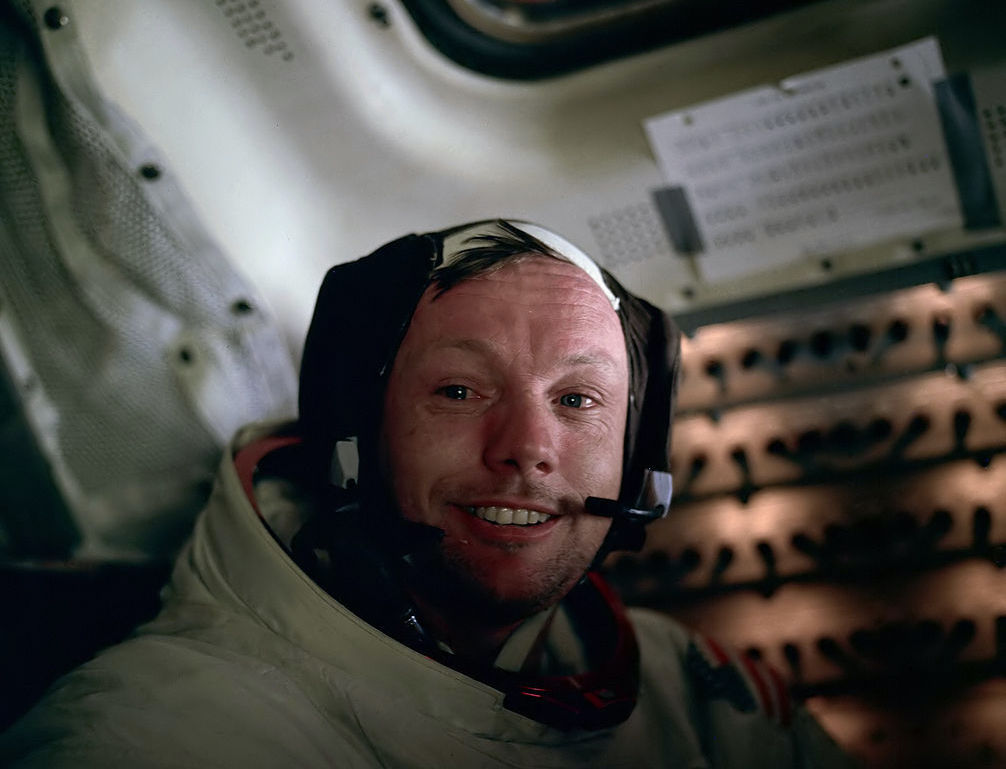
Neil Armstrong was born on a farm and would go on to build a career in flying which culminates in him becoming the very first man on the moon. This is the story of what happened before and after he took that giant leap for mankind.
1930 – Neil Armstrong is born in his grandparents’ farmhouse in Ohio, USA. His father works for the Ohio state government, his mother is a homemaker. He is his parents’ first child and will later have a younger sister and a younger brother.
Age 6 – Neil takes his first plane ride.
Childhood – Because of his father’s job, Neil and his family constantly have to move homes. His hobbies are building model planes, playing with planes, and reading about planes. He is a Boy Scout and becomes an Eagle Scout, the highest level of Scout possible. He also loves to read.
Age 13 – His family finally sets up a permanent home in the small town of Wapakoneta, Ohio.
Teenage years – Neil takes part-time jobs to pay for flying lessons. He works at a cemetery and doughnut company. He also plays the baritone horn in a jazz band called the Mississippi Moonshiners. His favourite subjects in school are science and math.
Age 15 – Neil gets his pilot’s license.
Age 17 – Neil gets a Navy scholarship to study aeronautic engineering at Purdue University. He moves away from his family for the first time.
Age 19 – After 2 years in college, Neil has to serve three years in the Navy in return for his scholarship. He is stationed in Florida where he learns to fly fighter planes.
Age 20 – He graduates from the Navy flight training school and becomes a licensed Navy aviator. He is supposed to return to Purdue University to complete his last 2 years of college but the Korean War breaks out and Neil is enlisted to fight in it. His job is to fly over enemy bridges and railroad lines and bomb them. He completes 78 such missions and cracks his tailbone once in the process.
Neil Armstrong aged 22.
Age 22 – He returns home with many medals and goes back to Purdue University. He also falls in love for the very first time.
Age 26 – Neil graduates and marries his first love, fellow student Janet Shearon. Jan gives up her degree to move to California with Neil. He takes at job as a test pilot in the Mojave Desert and buys a small cabin to live in high up in the San Gabriel Mountains.
Neil at age 26.
Age 27 – Their first child, Eric is born.
Age 29 – Their second child Karen is born.
Age 31 – Neil’s daughter Karen is diagnosed with brain cancer after repeatedly tripping and running fevers.
Age 32 – Karen dies at home. Neil stops talking about his daughter. A week later, he goes back to work. A few months later, he applies to be an astronaut. As a healthy young man under 6 feet who is both a highly skilled pilot and engineer, Neil qualifies for the job. He and 8 other men are chosen and suddenly, he and his family become famous. They and the other astronaut families move to a suburb in Texas to be near the NASA space centre in Houston. Their house now has a swimming pool. Neil begins training 12 hours a day. He also travels the country giving speeches on why the space program is important.
Age 33 – Neil’s second son, Mark is born.
Age 36 – Neil is appointed command pilot of the Gemini 8 space shuttle. His mission is to dock on another satellite already in space. The mission fails because of a faulty thruster and Neil becomes depressed.
Age 38 – Neil has another close shave will piloting a test flight. He ejects and parachutes away just before his flight goes up in flames.
Neil aged 38 floating to safety in a parachute as the lunar landing vehicle he was in crashes to the ground.
Age 39 – He is appointed commander of Apollo 11 and begins training with his 2-men crew, Buzz Aldrin and Micheal Collins. Then, they journey to the moon. And land on it. As commander of the mission, Neil gets the honour of stepping onto the moon first. And when he does, he plants a camera for earth viewers and says, “That’s one small step for a man, one giant leap for mankind.” They spend 2 hours there then make the 60-hour trip back home. Neil and his crew are now world famous but he doesn’t really enjoy the attention.
Age 40 – Neil leaves the NASA program.
Age 41 – He becomes a professor at the University of Cincinnati and buys a farm.
Age 42 – NASA’s Apollo space program ends.
Age 64 – Neil and Jane divorce. In the same year, Neil marries a woman named Carol Knight who also enjoys flying.
7 years ago, Caren Robinson got into a car to pick her daughters up from a sleepover and soon after got into an accident that left her with polytrauma and traumatic brain injury. We asked her how she recovered and what the process was like.
“I have learned what it means to be disabled and to live with disabilities; how the world is not fully prepared to accommodate or understand people with certain disabilities.”
Q: Hi Caren, thanks for being here to share your experience with us today! To start, could you tell us a little about yourself and how you ended up in that traffic accident that changed your life?
A: Thank you, Sara, for having me here. I am a Certified Holistic Life Career and Executive Coach; a co-host on a Brain Injury Radio show, and I am the founder of an educational website bringing awareness to Polytrauma and Brain Injury for the HOPE’sters of the world.
I really appreciate you reaching out to me about my story. This story is regarding an event that changed the trajectory of my life without warning. That question about how I ended up in the traffic accident remains a mystery to some degree as I have no recollection of the wreck at all. That used to bother me the first few years… trying to piece everything back together; trying to remember how I ended up in a head on collision; why my
seatbelt failed, and I was ejected; how and why I survived such a
catastrophic event, and why I couldn’t remember anything about any of it. It seemed like a complete dream, but the pain was very real.
What injuries did you sustain as a result of your accident and how did it change your body hence on?
I had a plethora of injuries. I sustained a Polytrauma (injuries that affect more than one system of the body) and a Traumatic Brain Injury. The Polytrauma consisted of multiple soft tissue injuries, multiple Orthopedic fractures in my R wrist, R ribs, pelvis, spine, a shattered scapula and a bum left knee. The brain injury resulted in neuroendocrine changes, short and long term memory loss, cognitive changes, hypersomnia, insomnia… well changes to my sleep overall; and a neurogenic bladder among a laundry list of other things which still continue to reveal themselves as time goes on.
Everything about my body was different. Literally everything changed.
What were your thoughts when you first came to at the hospital? How did you think it would affect your life?
The first memory I have at the hospital is waking up to a silver metal Triangle hanging above me. The events I describe remembering, my family has told me was about a week after I had already been in the hospital. I didn’t know where I was at or why. None of it made sense. I was in so much pain and apparently the medical staff was unable to get my pain under control… even with an epidural and being heavily medicated.
I don’t think I had a concept of how it would affect my life at that point because I still didn’t have a full understanding about what had happened to me.
Caren’s back after the accident.
How did the accident really affect your life in the end? How long did it take you to recover from your injuries and what did you have to do to get better?
Wow, that first question is a tough one. I could easily get lost in dark thoughts on that one; that is something I fight against continually… that rabbit hole that rears its head and tries to pull me down into that dark vortex about how much I have lost.
However, I guess I would have to say that this experience has afforded me the blessing of believing in miracles and the wonder of humanity; it has provided me opportunities I would not
have been able to experience had it not been for the recovery process itself; it has helped me to look at gratitude for life in a deeper personal way than I did before; advocate for myself in different ways than before; meet amazing people; experience medical miracles, medical injustices, and still hold onto HOPE as my distinct path to my lifeline.
There are some injuries that will be lifelong. I still have a nonunion fracture at T6 in my spine that the specialists have told me cannot be repaired. I also have some herniations, bulges, and stenosis I deal with. Chronic pain and I have an intimate relationship and I don’t get around as well as I used to. However, I am grateful to still be able to do things independently again.
To get better I had to believe in myself and what I knew about myself and not get caught up in ignorance from those who were not actually in my body. I had to be committed to the recovery process with physical, occupational, recreational, speech, and pool therapies.
I have benefited from counseling that involved CBT and Mindfulness focused care with someone that was experienced with dealing with complex medical traumas and PTSD. I have had to research my injuries and seek out qualified medical care to address a multitude of treatments, tests, and be willing to explore unconventional and alternative treatment plans as well. I have had to stay loyal to the strategies that I learned from my speech therapists, and advocate fiercely for myself, and continue to educate myself.
I have maintained a Blog about my experiences and sought to help others tell their stories as well. I essentially began a trek to reinvent myself with HOPE and Faith being the driving factors, along with my stubborn desire to LIVE and never give up.
Caren after surgery after the accident.
What was your routine while you were trying to heal from your injuries and what is your routine like today?
Apparently, initially my routine included asking the same questions over and over about what happened to me and where I was. Each time I woke up I asked the same questions for a few weeks. It involved 3 months in a Level 1 Trauma Center, then Neuro-Rehab Center, and massive amounts of therapy, and insurmountable pain. I slept a LOT. I could hardly stay awake. That later would turn to insomnia and then become a crazy mix of the two. I had to learn everything again: walking, bathing, self-care, toileting, eating, and managing my pain. The routine involved lots of medications, mostly for pain, uncontrollable muscle spasms, and being bedridden. It involved multiple reconstructive surgeries, of my ribs, R shoulder and several broken teeth repairs. My routine was to heal and accept that I had to let others care for my body because I wasn’t able to at the time.
The routine today involves managing my spoons. If you get the chance… Google “The Spoon Theory”. This was the best way I could describe how I felt to my family and friends about my new lack of energy and how I had to manage it. I am still involved with counseling, though have plateaued a bit on all the different specialists needed. My routine involves a lot less medications, a mindset to accomplish as much as possible with the spoons I have for the day. It involves being more independent than the year before, learning new things, keeping up on medical discoveries around my injuries, being the best mom that I can to my kids, cherishing the relationship I have with my husband, and finding a way to add value to the world despite the limitations of my physical body while pacing myself.
How long did it take you to get over the shock of sustaining traumatic brain injury and polytrauma? What helped you get over it?
I don’t think that this is something you ever “get over the shock of”. The shock comes in waves and becomes less constant as time goes on, yet still remains in the shadows. You just learn to adapt and radically accept the new normal and learn to focus your energy on moving forward with your life.
Healing continues. I still deal with emotional upheavals and endocrine challenges. Cognitively, I truly believe new neuropathways are still forming. I see this in the way I am able to perform with what I am able to accomplish in some things I wasn’t able to do, even 3 years ago. This keeps me hopeful. Yet there are challenges and hurdles that are still there to keep me humble and mindful of the realities I now embrace as a part of this new life. My memory and processing speed is still a challenge to keep on top of, yet I have enough tools to help me keep this mostly managed.
I don’t think I am “over it” as much as I continue to adapt to it. I get whispers of normalcy some days and other days I just can’t seem to get out of bed. Most days I end up pushing myself to accomplish because I have a life to live, responsibilities, and goals for myself. Other times I get overwhelmed and flooded and combating with the fatigue can feel like digging a hold in water. It helps to take baby steps. Baby steps lead to baby steps, which lead to having a purpose. Having a focus, a purpose, a calling is imperative to being able to get from day to day and moment to moment.
Which 3 objects or people were most useful when you were trying to recover from your injuries?
My family would have to count as one because it was truly a team effort between my husband, my mom, my nephew, and my kids.
The second item or object would have to be a purple blanket my brother got me while I was in the hospital. I kind of see it as my good luck charm. I have taken it with me to literally every surgery or major medical appointment; I have had and use it on road trips still to this day to make me feel safe and help keep me calm.
The final thing is an object – the word HOPE. Fixating on HOPE has gotten me through, and still remains a focus of importance for me.
Caren during Neuro-Rehab.
Which place was most useful?
Being able to be home was the most useful. Even though I was in a hospital bed at home, I had 24-hour care from people who really loved me and helped me stay focused on the end result, with time to heal. They bathed me, dressed me, cared for me in literally every way. It is the place I feel the safest.
What setbacks did you have along your journey of recovery and how did you move past those?
Wow. Too many setbacks to count. I know there were many that happened while I was inpatient that I don’t even remember. My family tells me about those. I almost died more than once. A lot of touch and go. The parts I do remember though as the biggest setbacks, was fighting with insurance and dealing with dishonest insurance agents who misrepresented the facts, options, and what our rights were.
Other setbacks included whack healthcare providers with tunnel vision, lack of proper follow through on my injuries, missing diagnosing injuries properly, not having the knowledge to help me with my particular injuries, and delayed treatment.
I moved past these setbacks with sheer determination, lots of emotional meltdowns, immense pain and physical decompensation, loss of body functions, and determination to not accept no as an answer to getting fixed. Finding providers who actually listened and believed me.
We were persistent with educating ourselves about the no-fault laws and our rights; advocating for myself, researching my injuries and getting in contact with amazing healthcare providers and amazing surgeons who actually cared about their patients. I learned to use my voice and speak up for myself. I learned to trust my body and what it was telling me. My family and I took copious notes and kept track of everything since I couldn’t completely depend on my memory. Eventually we ended up having to utilize the services of an Attorney and a Medical Case Manager (that we picked out) – which I highly recommend by the way.
There were so many people that have helped me move past the hardest parts. My counselors, Primary Care Physicians willing to advocate for me; a strong medical support team; and the love of my family and sacrifice of their time for sure.
The turning point of a lot of my physical recovery processes were when I got my ribs plated with Titanium and 40 locking screws in 2014 (10 months after the wreck) at Spectrum Health in Michigan.
Then, after much delay we met Dr. Peter Cole with Regions Hospital in MN. Dr. Cole did 3 of my reconstructive surgeries in 2016 utilizing stainless steel plates, screws, and cadaver compound – a truly fascinating process. I had gone 2 years with a shattered scapula and losing function in my right arm. I also ended up having a fractured Acromion plated as well. He gifted me back the use of my right shoulder and arm with his skills. I will be forever grateful to him and his trauma team. I would also like to add that he had an amazing bedside manner as well… as did his whole team.
Another turning point was with vision therapy and prism glasses from a Neuro-Ophthalmologist. This was a game changer for sure for the lack of balance, nausea, cognitive fatigue, and headaches. Then again, getting the root canals and crowns done helped resolve a lot of physical pain in that region of my body too. Again, having good knowledgeable providers really makes a difference.
What did you learn from this life-changing accident that you didn’t know before?
I didn’t know I was capable of taking and tolerating the level of pain that I have endured for so long. I have learned what it means to be disabled and to live with disabilities; how the world is not fully prepared to accommodate or understand people with certain disabilities.
If you could go back and replay everything you did to heal from your injuries all over again, what would you do differently?
I would have stayed in the hospital longer and my family would have demanded more aggressive treatment of my injuries before releasing me to Neuro-Rehab. We would have gotten vision testing from a Neuro-Ophthalmologist, audiology testing, and reconstructive surgeries, and oral care without waiting on insurance. Educated ourselves about our rights and the laws while still in hospital. I would want my family to take more pictures so I could piece more together. Gotten support for my family so they weren’t doing everything themselves.
This is Caren Robinson.
What advice do you have for those who are presently coping with traumatic brain injury and polytrauma too? And what advice do you have for their family and friends?
The advice I would offer is that healing takes time. Be patient with yourself. Find your voice with your providers, with your family, and with your friends. Find a way to tell your story. Trust what you know about your own body. Ask for help. Work with a Speech Therapist. Find a Neuro-Ophthalmologist; see an Audiologist; Get Lab work to check Hormones and a thorough Thyroid Panel. Consider using a weighted blanket, blindfold, ear plugs and sunglasses to help with Brain Injury symptoms. If it is possible, acquire a SPECT CT scan from Cerescan or a similar organization. Join the Brain Injury Association group in your State or Country. Find a support group either online, face to face, or both. Ask questions. Use a notebook to write things down. Speak out loud about your symptoms. Don’t keep them to yourself. Pace yourself.
Develop a routine with the patient. Be patient with repeated questions and lack of memory. Take them seriously and do not pre-judge them and assume you know how they are feeling… ask. Accept that just because you may not be able to see an injury doesn’t mean they don’t have one. Establish a routine that allows you to take care of yourself. Acquire a Medical Case Manager. Help them keep track of medications. Don’t take their mood changes personally. Don’t take personality changes personally. Recognize that their effort may be inconsistent based on how they are feeling from moment to moment or day to day. Be willing to advocate for them or speak for them when they can’t speak for themselves. Get to know their patient rights with the facility they are in or involved with.
Lastly, how are you doing these days?
These days I am feeling blessed and interested in continuing the process of bettering myself. I am feeling fortunate that neither myself or my family members have ended up with COVID-19 yet or suffered to the extent that other families have during this Pandemic. I am fortunate enough to be alive and able to think for myself, dress myself, do my own toileting, and have a different quality of life… but a life worth living.
I am committed to bringing awareness to Polytrauma and Brain Injury. I am focused on building my Coaching business. I am also still grateful for the pain I feel still because it keeps me fresh, aware, and thankful that I am still present and able to feel my body still.
I still struggle. Some days are easier than others. Some days are harder than the day before. Every day is a new opportunity to better myself and develop healthy habits. I like to say, “any day above ground is a good day”. Keeping my attitude and mentality focused on positivity, possibility, and creating a culture of compassion and awareness is a way I hope to pay it forward to the Universe and the Global Community. Here I am, never giving up. Never giving up HOPE.
Caren is working on managing her weight and getting off the cardiac meds she is on this year. Her goal is to make it to the end of 2021 without COVID and without dying; to build her business and accomplish some educational milestones. You can follow her journey through this on her websites www.hopetbi.com and www.vitalability.com, or ask her anything you would like to know about polytrauma and brain injury using the comment box below.
Jack was in his early 50s when he discovered pathological demand avoidance and realised it might be the cause of all his difficulties with getting things done. For World Autism Awareness Day (April 2) and Autism Awareness Week, he told us how the condition has affected his life and what understanding it did for him.
“I realized that PDA had cost me jobs and my first marriage.”
Q: Hi Jack, welcome back yet again. Let’s talk today about pathological demand avoidance. For those who don’t yet know what it is, could you first explain what it is?
A: Pathological Demand Avoidance (PDA) is a type of autism-spectrum disorder first described by British psychologist, Elizabeth Newson, in the 1980’s. It describes a subset of people with high-functioning autism-spectrum disorder and is characterized by an extreme resistance to completing everyday tasks or anything perceived as a requirement. As such, it can be quite debilitating since it makes even the simplest and most routine tasks nearly impossible at times.
How does pathological demand avoidance present in your life and how often do you encounter it as a school teacher?
I am now in my early 60’s and didn’t realize that I had PDA until I was in my early 50’s or about ten years ago. At the time we had just discovered that my young daughter was on the autism spectrum. After reading the symptoms of autism, I realized that not only was I on the spectrum, but my sister, mother, and two nieces were, too.
While we were exploring treatments for my daughter, I came across a PDA symptoms checklist and realized that it fit my daughter, sister, and one of my nieces as well.
Once you have a diagnosis or suspected diagnosis like this as an adult, you immediately cast back across your life to re-interpret events. I realized that PDA had cost me jobs and my first marriage.
I realized that I had extreme difficulty managing money as a young adult. When I was living by myself, I would on a somewhat regular basis allow the electricity to be cut off in my house. I would receive the bill and just be incapable of paying it even though I had the money to do so. The steps to doing so would just feel overwhelming. I would be paralyzed with anxiety at the prospect of paying the bill. So, eventually, the electricity would be shut off. I’d usually wait a day in the dark before going down and paying the bill and late fee and wait another day for it to be turned back on. That is probably the best example of PDA. The ridiculousness of the situation exemplifies just how perplexing the whole thing is.
I remember sitting on the couch with my first wife near the end of our marriage with her demanding that I write the check to pay a bill. I just couldn’t do it. Fed up with my inexplicable refusal, she wrote the check and mailed it. She left me a few months after that.
Another example was occurred during a staff meeting at a treatment center. A co-worker’s father had died, and we were passing around card to sign. When it came my turn, I couldn’t do it. I just couldn’t. I sat horrified by my own inability knowing that I should, but I couldn’t. Of course, I immediately alienated everyone there.
One of the things about autism-spectrum disorder including PDA is that it is a developmental delay, meaning that your brain is maturing more slowly than those of your peers. You may not gain all of the skills that your peers come to naturally, but some of them will develop more slowly. As I’ve gotten older, I have been able to manage my PDA better in part because my brain became more mature.
A neurotypical brain reaches its full maturity by about age 25. Mine didn’t until I was about 35 and even then, I needed to work hard on managing the anxiety that drives PDA.
While it makes many of the routine tasks of teaching difficult, it helps, too. I understand and am sympathetic to any student who has a mental health disorder or any difference from her age group, especially those with PDA. I have advocated for such students in staff meetings and with their parents convincing the parents to seek testing in order to instigate an IEP or educational support program for their child within the school. I have also encouraged faculty members to adapt their classroom requirements helping them to better understand the baffling reactions of some of their students.
Out of a class of 20, I have at least one student with autism-spectrum disorder in every grade level I’ve taught. Sometimes more than one. Every year, I have at least one new student with PDA out of the five or six classes that I teach.
What changed in your life after you realised such a condition existed? Did you have to go through anything special after being diagnosed with it?
My inexplicable behaviors became more understandable. That was the biggest effect. Even today, I’ll recall a memory that included me being frozen by anxiety unable to perform some routine task, either at a job or in a social situation, and realize that it was yet another example of PDA afflicting my life.
Nowadays, I realize that if I don’t get started with certain tasks straight away, I won’t ever do them. That really helps with doing the routine tasks like housekeeping chores. Since moving to Cambodia, I am our housekeeper since I am not working this year, I have had to do everything with a minimum of procrastination. It has helped for me to just say to myself, “If I don’t do this right now, I’m not ever going to do it.”
The biggest thing that has changed, though, is that I’m more accepting and understanding of myself, especially, when I am having a difficult time getting started with doing something.
What strategies do you use to cope with pathological demand avoidance these days? What works best and what does not work at all?
I realized that when I am given a task, I will unconsciously tag it as something that I’ll never be able to do. Before my “diagnosis”, I would rarely realize it, but, now with my new understanding, I more frequently catch myself thinking about it. For example, my daughter wanted modeling clay for a Christmas present this year. Buying gifts in general has been a non-starter in my life. It is something that I just can’t do and because of it, I have abandoned significant relationships. It caused me to distance myself from my mother and sister, for example. I felt like I was letting them down since they never failed to get me birthday and Christmas presents, but I struggled so mightily to reciprocate. I felt like they would resent it and be angry with me.
Getting something like modeling clay in a developing country like Cambodia could be a very difficult task, especially in the time of #COVID19. You have to reach out to people to ask where it might be found; you have to call ahead and overcome whatever communication barriers might be there; you have to go to the store and negotiate the purchase. Going to the store is not as easy as it sounds, though. Addresses often aren’t reliable. Phone numbers don’t always work, but that doesn’t mean the store is not open. I still haven’t gotten the modeling clay. I probably won’t get it for her upcoming birthday, either, even though I really really want to. It is maddening. But the anxiety and uncertainty are nearly impossible to overcome. It really assaults your self-esteem. After a lifetime of it, it really grinds you down. Honestly, I am ashamed of myself for failing to do something like this.
Learning to relax, focusing on getting started, and breaking things into more manageable steps all help, but as the modeling clay example shows, it doesn’t overcome everything.
Which 3 objects or people are helpful for a person with pathological demand avoidance?
I can’t say that there have been any people that have been explicitly helpful to me. There certainly haven’t been any objects. There have been some techniques, though.
One of things I’ve begun doing that seems to help a lot is thinking through the things I need to do the next day as I lay in bed before going to sleep. I will imagine the sequence of events of the next day in exquisite detail: getting up at a specific time (I usually get up at 5:00 AM without an alarm), making lunches and breakfasts for my wife and daughter, doing the dishes afterward, starting the laundry, getting my daughter started on her school work (we’ve pulled her out of school because it has proven to be overwhelming for her), and so on.
Avoiding procrastination. My best semesters at school were those in which I took 18 semester hours. The average semester course load was twelve. My worst semesters were those in which I had dropped from twelve to nine or six. The difference was procrastination. With 18 hours, I had no time to procrastinate. I either did the assignments right then and there, or I was sunk. With nine or six hours, there was plenty of time to do it later. Getting started is more than half of the battle.
In that sense, routine helps. I’ve found it difficult to maintain a schedule for most of my adult life. The only thing I’ve done routinely ever is walk my dogs twice a day for obvious reasons. I like teaching because of the routine and predictability. My sister retired from the US military. She stayed with it because of the routine and predictability.
And, identifying emotions. One of the sources of anxiety, confusion, and refusal is the cacophony of emotional reactions when a demand is placed upon me. It’s like every emotion is triggered at once and overwhelms me, which causes the anxious paralysis. Our emotions exist to help us navigate and cope with our environment. If you can’t accurately identify your emotional response to an event, then you cannot react to it properly. Your best course of action then is to do nothing until your emotions get sorted out. By focusing on that emotional response, I can determine which emotions predominate. I can engage in some soothing self-talk and reduce my anxiety.
Some things clearly don’t work. Rewards and punishments don’t work with people with PDA. Logical explanations do, but you often have to have time for those explanations to percolate. If you put too much pressure on someone with PDA and start limiting choices and options, you’ll get an emotional meltdown. These can be pretty ugly and include real violence, lots of swearing, hysterical crying, and other histrionics.
Surprises are usually bad. Don’t surprise people with PDA, especially with requirements. Instead of saying, you’ve got to do this assignment right now, you should ask them when do they want to do the assignment, in half an hour or an hour?
Trying to get someone with PDA to do something can feel ridiculous. With my daughter, I have reached a point of thinking, “If you’d only do this one simple task that millions of people have done in the history of human kind on the planet, everything would be so much easier.” When you’re reaching that point, you know you’re coming up to a meltdown. It is past time to back off and give everyone space.
The problem, especially with school work, is that she does everything slowly and definitely does not meet deadlines.
Which place is most useful?
For me, there aren’t any real places that are useful. Much of the literature recommends establishing a safe place for someone with PDA to retreat to when life becomes overwhelming, but for me that never really appealed. Being left alone until I was ready to do whatever is about the only thing that worked.
What is the hardest part about having pathological demand avoidance and how do you move past that?
The hardest part of PDA is knowing that you’ve disappointed people with your inability to achieve simple tasks and requirements. I carry a lot of shame because of it. I have a lot of intrusive anxiety provoking memories. By now, I have one for almost every situation I find myself in, which is hard because no matter what I’m doing, I can trigger an anxiety provoking memory to disrupt my thinking and emotional state. If I’m focused on doing something, it isn’t as bad. When I’m doing tasks that don’t take as much focus or that aren’t as distracting, then I can be flooded with anxiety for no apparent reason.
What advice do you have for people with pathological demand avoidance in their lives too?
Seek routine. Develop healthy self-talk so you’re not blaming yourself for all of your failures to achieve, which there will be many over your lifetime. Understand what triggers absolute refusal and try to get those in your life to avoid triggering you.
What advice do you have for people in general when in the company of an individual with pathological demand avoidance?
Avoid making demands. Offer choices. Understand that somethings are just going to be impossible for that person to do and figure out a way that they aren’t hurt too badly by them.
Lastly, what has your pathological demand avoidance diagnosis taught you that you never knew before?
People are not lazy. People who aren’t performing to expectations or meeting expectations aren’t doing it because they don’t want to but because they can’t. No one sets out to fail. When failure happens, it is because there are other forces at work besides being lazy. Everyone is motivated to do something and everyone achieves something with that motivation.
Jack hopes to run a marathon before August (“but #COVID19 and my PDA are making that difficult”). You can read more of his thoughts at his website, The Psy of Life, or chat with him using the comment box below.
A quarter of 2021 is already over. What have you done since the year started and what will you be doing next? Let us know in the comment box below and we will add it below!
Jessica, who has Crohn’s Disease: I am on a weight-loss journey. My goal is to lose 60 lbs.
Pamela Ellis, who survived an ectopic pregnancy: Survive it as I did in 2020. 🙂 I plan on taking this year to do a lot of introspection. Having a near-death experience has really shaken me to my core and I’m having the desire to “find my true self” after this ordeal.
Dr Bob Rich, author of many books: Live in the moment, mostly. After all, that’s all there is.
One of my award-winning books has been republished through a different publisher. This is “Sleeper, Awake”. To publicise it, I am offering a FREE electronic copy to every subscriber to my monthly newsletter, and to every follower of my blog, Bobbing Around.
And a wonderful new British publisher is in the last stages or reissuing one of my favourite books. We have worked together to improve it, add new bits, and came up with a new cover and title: “Maraglindi: Guardian Spirit”.
One of my current writing projects is a short story collection with a difference or three. It is to be a companion volume to “From Depression to Contentment: A self-therapy guide”.
Choo Bin Yong, game designer who runs solo: My plan for 2021 is to release the 2 games that I have been developing since last year. The first game will hopefully be able to be released before June and on multiple platforms (PS4/XBOX/PC). Besides these 2 games, I am also developing a 3rd game with a story based in Singapore.
Tiffani “Oling” Lim, esports professional: Focus on my health and family, work on player rights and female empowerment work in esports, and continue gaming every day.
Joan, a minimalist: Resume volunteer work with animals, get to know more self-starters/female leaders and read books.
Jack, who moved from China to Cambodia in the thick of the COVID-19 pandemic: In 2021, I’m planning on learning Khmer. One of the things that I disliked about living in China and Viet Nam was the difficulty of learning the languages. They are tonal and I’m tone deaf. I literally could not reproduce the tones or interpret them. Khmer is very different from English, but I can make the sounds and understand what people are saying.
My other big goal for 2021 is to expand the blog and hopefully produce an adequate income stream from it. I have advertising on it now, and am making a little money. I have to improve my SEO and expand my readership a bit more, but it is coming along.
And, of course, exploring Cambodia. I’m anxious to get up into the highlands along the Vietnamese border and up to the Laotian border.
Caren Robinson, who survived a major traffic accident: I plan to build the HOPE TBI website and add more information/pages. I plan to add more Survivor and Caregiver stories. I plan to commit to an activity/exercise schedule for myself. I plan to continue to build my Coaching business www.vitalability.com and pay additional attention to my education growth.
Sy, founder of LUCK-IT who successfully quit smoking : Finish and release Replay Life—the life simulator game I’ve been making for PLAY-IT.
The Amateur Trader, self-employed occasional trader: Put my 2020 experience to good use and may that help me be more profitable in the stock market.
What about you what do you plan to do in 2021? Tell us in the comment box below. More questions for you to answer in The Wisdom of Crowds series here.
Want to be featured too? Say hi in the comment box below or tell us here. If you found this article useful:
Pamela Ellis was having a regular day, feeling great, when all of a sudden she began feeling extremely sick. Everything went downhill from there and she soon found herself needing emergency surgery for an ectopic pregnancy. She told us what that and the 6 months that followed was like.
“I cried every day for 6 months.”
Q: Hi Pam, welcome to LUCK-IT! To start, could you tell us a little about yourself?
A: Sure! I’m a 39-year-old stay-at-home mom to 3 beautiful children and wife to an amazing husband. I spend most of my time reading, meditating, studying spirituality, mythology, and folklore, hiking through the woods, helping my husband with his race car, and writing my blog.
How did you find out about your ectopic pregnancy? What were the signs that led you to discovering so?
I learned about it at the emergency room. I had no idea I was even pregnant, or that it was ectopic until I experienced the partial rupture leading to an emergency life or death situation with internal bleeding. Looking back there were minor signs but I had no idea at the time they were ectopic pregnancy symptoms. I missed one menstrual cycle but never took a pregnancy test because I didn’t have any pregnancy symptoms. I’ve had 3 successful pregnancies before this one and I always have pregnancy symptoms alerting me that I’m pregnant often before a test tells me so. I assumed all this was from stress because I had been under a tremendous amount of stress before this happened. So I was waiting it out. I figured if I was pregnant I would find out eventually anyway. I had no reason to think there was something wrong beforehand.
What happened next?
I went to use the bathroom that day and then suddenly I became really sick. Dizzy, nauseous, and super hot. So I laid on the couch hoping for it to go away on its own but my symptoms only got worse. I thought my appendix had burst. Then my shoulder started to hurt worse than anything else to the point I couldn’t move without extreme pain. I was also very pale and I couldn’t stand or walk without struggling to remain conscious, so I rushed to the emergency room. I didn’t know it at the time but shoulder pain, called shoulder tip pain, is a symptom of internal bleeding. I had been bleeding internally for 15 hours before we found out why and had no idea.
For those who might not know, can you explain what an ectopic pregnancy is?
An ectopic pregnancy is when a fertilized egg grows outside of the uterus and implants somewhere else in the belly. It’s a pregnancy in the wrong location. Often in the fallopian tubes. It is very dangerous. Always a life-threatening situation. Symptoms vary from painful to nothing at all, so it’s imperative to be seen the second something feels off. I had practically no symptoms. I had no pain the entire time. Looking back on it, I did have an odd sensation on the left side of my lower abdomen but it wasn’t extreme enough to bother me. My cycle was also off. I had brown discharge a week before the rupture and experienced extreme bloating. Other than that, nothing else. I didn’t even have pregnancy symptoms.
“Me and my husband holding the frame I made of our baby’s ultrasound pictures.”
What was your routine like right after your ectopic pregnancy? What did you do to get better?
Right after my ectopic pregnancy, I spent a week on the couch. Because I had a rupture that caused internal bleeding, I had to have laparoscopic keyhole surgery to remove the live baby, my left fallopian tube, and save my life. I had 3 incisions on my stomach and was on heavy pain medication. It was very painful and it hurt to walk or move my stomach at all for a week. I couldn’t do much for 2 weeks. I rested as much as I could because I lost 2 liters of blood and needed blood transfusions which caused me to feel extremely exhausted for the first few days. Then the second week I was cramping badly while shedding the uterine lining from the pregnancy. Those contractions felt like labor pains! So I slept most of the time to help my body recover from the trauma.
Which 3 objects or people were most useful then?
My husband. He was my support system. He helped me so much! I don’t know what I would have done without him. I also had a walking stick he bought me that helped me to get around the house. Walking was extremely painful and I couldn’t stand up straight so that stick was my saver to getting around the house and grabbing things I couldn’t reach. I also bought a wedge pillow that helped me sleep in my bed instead of the couch. Because of the surgery and trauma to my stomach, I was unable to sleep on my side or lay flat on my back. So the wedge pillow allowed me to sleep comfortably upright for 6 weeks.
Which place was most useful?
The Ectopic Pregnancy Trust online. I had no idea what an ectopic pregnancy was, or what to expect in my recovery, or exactly what happened to me. I was completely left in the dark. In order to better understand what happened and what was to come, I lived on that website for weeks.
How long did it take you to get over the shock of having had an ectopic pregnancy? What really helped you feel better?
As of right now, it’s been 6 months since it happened and I don’t think it’s something that you can “get over.” I’m still in shock, I’m still in disbelief, I’m still recovering, I’m still trying to wrap my brain around the fact that I almost died, and I’m still brokenhearted over losing my baby. My baby was alive and well, just in the wrong location. I heard his heartbeat and the doctors kept reminding me that he was a fully formed living baby with a face, fingers, hands, toes and feet. It was also a boy. Someone made me a baby blanket with the baby’s initials on it and my mother made me a trinket with angel wings and the baby’s name. I found that comforting. I have an angel candle that I light every day in remembrance of my baby and I also created a shadow box frame with the ultrasound pictures in it along with my favorite sayings to help me cope with the loss a bit. It’s been rough for me.
“A picture of the angel candle I light every day in remembrance of my deceased son I lost.”
What did you learn from having had an ectopic pregnancy that you didn’t know before?
Good question! The one thing I learned from this is how precious life really is. I came face to face with death at 38 years old. I can honestly say I took a look at my life and thought – I’m not ready to go this young. I have so much more I want to accomplish and do with my life. It’s like I got a second chance. It also made me cherish what I do have even more. The people in my life mean so much to me and they almost lost me. All the little things that irritated and stressed me out I realized weren’t that big of a deal. Life is much more than that petty stuff.
Also, as a very anxious person that worries a lot, I realized more than anything not to worry about things I cannot control. Worrying is a waste of time. We spend so much energy worrying about things that haven’t even happened as a way to prepare but whatever does happen will never be anything that you conjure up in your head. So worrying is a big waste of time. If something does happen, you’ll just figure it out as you go. Nothing can be prepared for ahead of time in life.
This also made me realize how much I love being a mother. Motherhood can be stressful and having raised 3 children already, one on the autism spectrum, there were times where I was frustrated with being a mother. Losing my baby made me realize more than ever how precious my children are. I may have taken that for granted a bit.
If you could go back and replay your experience with the ectopic pregnancy all over again, what would you do differently?
If I could do it all over again I would go to the doctors as soon as something felt off instead of waiting it out. My body was telling me for a couple of months that something was wrong and I waited hoping it would resolve itself instead of just going to the doctors. Because of Covid-19, I was avoiding the hospitals. Waiting almost cost me my life. I was unaware that what was happening was an ectopic pregnancy. I had no idea what an ectopic pregnancy was or what any of the symptoms were. I also had no idea I was even pregnant in the first place because I didn’t have the same experiences or symptoms as I did with my other 3 pregnancies. I should have just taken a pregnancy test and went to the doctor the second I noticed something was wrong. The second I missed my period I should have gone to the doctors and it would have been discovered and resolved without me almost dying.
What advice do you have for those who are presently going through or getting over an ectopic pregnancy too? And what advice do you have for their family and friends?
For those that are going through this just know that everything that is happening with your body and everything that you are feeling is absolutely normal. That is the biggest question I see most women who have gone through or are going through this ask. You just went through, or are going through, something very traumatic and very terrifying. It is normal to be upset, to be scared, to be grieving. To grieve the loss of your fertility, to grieve the loss of a piece of your body now gone, to grieve almost losing your own life, and most importantly the loss of your precious baby and the hopes and dreams that came with it. For those close to someone going through this, they need as much support, patience, and compassion as possible. Hold space for them to talk about it as much as they want, and share as much as they want about it if they choose without judgment or advice. Give them the space to heal in their own way. They just lost a lot and it’s very traumatic. Love is the best medicine.
Lastly, how are you doing these days?
I’m doing much better actually, thanks for asking! I didn’t think I would because I took this so hard. I cried every day for 6 months. My body ached for a long time and it felt like it was taking forever to get past this. I just started my exercise routine back up and I’m starting to feel much better mentally, emotionally, and physically.