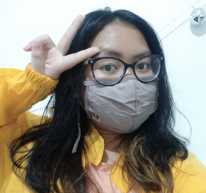
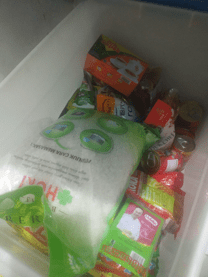
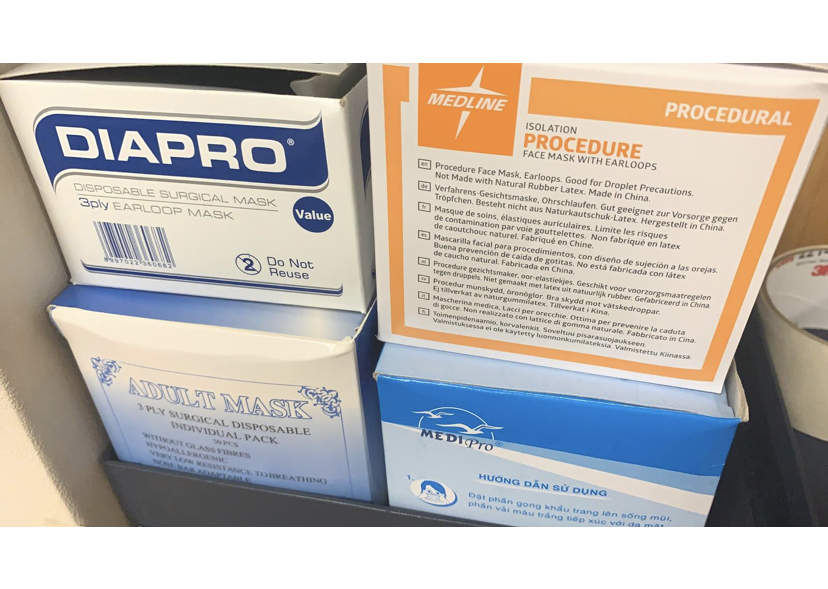
• JT’s stash of masks.

    COVID-19 Diaries: What It’s Like Living In A “Contaminated Area” In Hong Kong

    JT lives in an area in Hong Kong where several cases of COVID-19 were found over a short period of time and an apartment building was even evacuated after 4 people from 2 households were found to be infected. We asked him how he dealt with that and all the other changes COVID-19 brings. 

    Disclaimer: LUCK-IT will earn a tiny commission when you purchase any of the Amazon products on this page.

    “I was very terrified and avoided going out to minimise risk of infection.”

    Q: There were several cases found near your apartment, is that true?

    A: Yes, a few cases were found in Tsing Yi within a week.(Villa Esplanada and Hong Mei House respectively). The cases in Hong Mei House were suspected to be infected by aerosol transmission. The government evacuated around a hundred people at midnight immediately. 

    [Interviewer Note: During aerosol transmission, the virus is suspended as very tiny droplets in the air, viable for around 30 minutes.]

    How were you affected by the outbreak? And what do you think of aerosol transmission?

    Since my home is quite close to the [Hong Mei House] building (a 10-minute walk away), I was very terrified and avoided going out to minimise risk of infection. I use disinfectant to sterilise the house every day. I think aerosol transmission is not too different from airborne transmission. The people in Hong Mei House were infected by the contaminated air droplets transmitted via ventilation pipes. 


    Similar options available at Amazon.sg

    So some people got infected simply by staying at home?

    The infected patients were living in same block. The government said the virus could have been transmitted via a vent pipe in the toilet. Possibly because one of the pipes was wrongly designed or too old.

    JT’s stash of masks.
    JT’s stash of masks.

    If the virus keeps spreading in your area, what will you do to fight against it?

    The people in my building said there was an infected case here. Terrified, I stocked up a lot of food supplies, disinfectant and masks (around 200 masks). I also stayed home for many days since I can work from home being a back office staff in a bank. However, it turned out to be a false positive case.

    Do you enjoy working from home?

    Not really. I have not been feeling very well. My legs have started to cramp recently, maybe because of the lack of exercise at home. I got diarrhoea three days ago and am still not feeling well.

    I read from the newspaper that some of the staff in a bank were found not doing their jobs right—they went hiking when they were supposed to be working at home. Do you think working from home works? 

    Working from home makes me more efficient at this point. I don’t know about the others plus the people on the news are from another bank.


    Other options available at Amazon.sg

    The residents of Hong Mei House have since been returned to their homes after all 101 of them tested negative for the virus. JT cannot imagine what life would be like next, other than knowing he would likely not be travelling. “I used to go several times per year…” 

    More interviews with people whose lives have been disrupted by COVID-19 coming up next week. Follow the latest in our COVID-19 Diaries series here.

    If you’re in a country that has been affected by the novel coronavirus and would like to share information about the situation where you’re at, do get in touch with us here.

    Photographs courtesy and copyright of JT. Interviewer: Kauai
    Sponsor or support the COVID-19 Diaries series here.
    If you found this article useful:


  • COVID-19 Diaries: Perspective Of A Mother In South Africa

    AG is a mother living in South Africa, 11,785km from China. Her child was recently diagnosed with ‘pneumonia’ but did not get tested for COVID-19. As she and her mother-in-law have also developed symptoms similar to that of the novel coronavirus, we asked her what she’s been doing to get her family feeling better. 

    Disclaimer: LUCK-IT will earn a tiny commission when you purchase any of the Amazon products on this page.

    “This is not the flu!”

    Q: When did you first hear about the COVID-19 novel coronavirus and what did you think of it then? 

    A: I first heard about it in January. I told my hubby in early Jan that we were going to have a heck of a thing on our hands soon. He wanted to know why I was worried about something on another continent. Now he’s all apologetic and I feel a little smug now since COVID-19 arrived in South Africa on 5 March.

    It seems Africa is the least affected continent so far. How afraid of the coronavirus are you now? 

    The first 2 confirmed cases are quite far from where we are… about 1000km from where we stay. Thankfully I had bought enough masks and hand sanitisers quite a while ago. However, I am worried there will be an outbreak because many people have compromised immune systems due to HIV, AIDS and TB. (South Africa has the biggest HIV epidemic in the world, with 7.7 million people living with HIV. HIV prevalence among the general population is high at 20.4%.) Besides, one of my children caught the typical pneumonia and was on medication.


    Other options available at Amazon.sg

    How old is your kid? Are schools closed in your city now?

    One of my children (5 years old) was coughing badly about 2 weeks ago. I heard a ‘drowning’ sound in his chest. Rhonchi is what it is called. That’s when I took our child out of school. I am still wondering when is the time for parents to ask for school closures.

    The kid was diagnosed with pneumonia, but was not tested for COVID-19. As treatment, we received oral antibiotics and were told to self-isolate. We haven’t travelled out of the country nor have we been in contact with anyone who travelled from anywhere as far as we know.

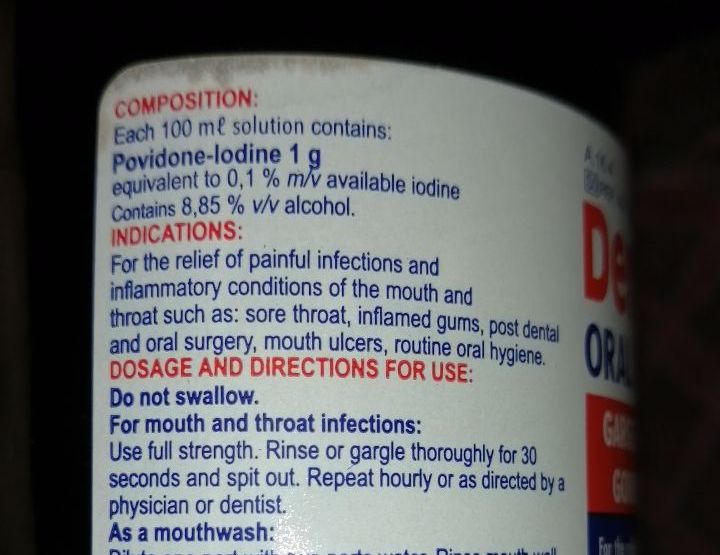
    The iodine gargle AG uses.
    The iodine gargle AG uses.

    Do you yourself have any symptoms such as fever and coughing?

    I had a tight chest and a red throat last week. After using an iodine gargle and taking Lugol’s iodine in water for 3 days, my throat is perfect and chest 95% better now. I am very keen on more natural remedies that have been proven by science. Povidone iodine is safe for most people to use. However, my mum-in-law staying with us is also coughing.

    [LUCK-IT Disclaimer: Always check with your doctor before attempting any of the above.]

    How many cases are there in South Africa? What measures has the government of South Africa applied so far?

    We now have 7 confirmed cases (as of 10 March) but no flights have been cancelled. People from China, Iran, Italy (Italy has been in lockdown) can come and go as they please. Honestly. The WHO [World Health Organisation] has been too slow in reacting and are actually encouraging our government to keep flights going. They say that canceling flights won’t do anything. People should rather quarantine themselves. 

    To me that makes no sense. Cancelling flights effectively quarantines the whole country from incoming infection. It must be taken seriously. Italy is in complete lockdown. China is in complete lockdown. This is not the flu!

    How us your child? Is she still having fever and cough? 

    She is getting better, but I don’t think it is the antibiotics. Her chest was still very tight until late morning.


    Also available at Amazon.sg

    AG still doesn’t know if her child had contracted COVID-19 or not. 

    Tomorrow, we’ll speak with someone in Hong Kong who lives in a neighbourhood with numerous COVID-19 cases and even one building evacuation, to know how he’s been coping with that. Follow the latest in our COVID-19 Diaries series here.

    If you’re in a country that has been affected by the novel coronavirus and would like to share information about the situation where you’re at, do get in touch with us here.

    Photographs courtesy and copyright of AG. Interviewer: Kauai
    Sponsor or support the COVID-19 Diaries series here.
    If you found this article useful:


  • COVID-19 Diaries: Perspective Of An Asian In New York, 120 Days In

    Ting is an immigrant from Asia who moved to New York City a few years ago. She tells us what it’s like living with the New York Governor’s Stay-At-Home order while the numbers of COVID-19 infected in New York—12,033km away from Wuhan, China—keeps growing. 

    Disclaimer: LUCK-IT will earn a tiny commission when you purchase any of the Amazon products on this page.

    “The so-called New York lockdown is not exactly like the Wuhan lockdown (way less strict).”

    Q: When did you first hear about the COVID-19 novel coronavirus and how did you respond at first?

    A: Back in December 2019 or early Jan 2020. We did nothing at first because it seemed so far from us…

    There are around 50K cases in New York at the moment. If things get worse, what will you do to protect yourself and your family from COVID-19?

    We have basically been working from home in the past 2 weeks in accordance with the New York governor’s executive order and did not go out unless it was absolutely necessary (e.g. getting groceries once or twice a week). Our fridge is always full, there won’t be a problem if we are not able to refill food for 2 weeks. Whenever we have to leave our apartment, we wear a mask. I have stocked up 160 masks so I think it is fine.


    Other options available at Amazon.sg

    The number of novel coronavirus infections in the United States is growing significantly (US’s 123,578 vs China’s 81,439 at the point of this interview), but Donald Trump wants to “reopen the economy by Easter”. Do you think he can make that happen? Will you leave the United States if an executive order to reopen things is invoked in April?

    I think it is unrealistic. At least in New York City. But I am not leaving the States even if they try to reopen things to boost the economy in April.

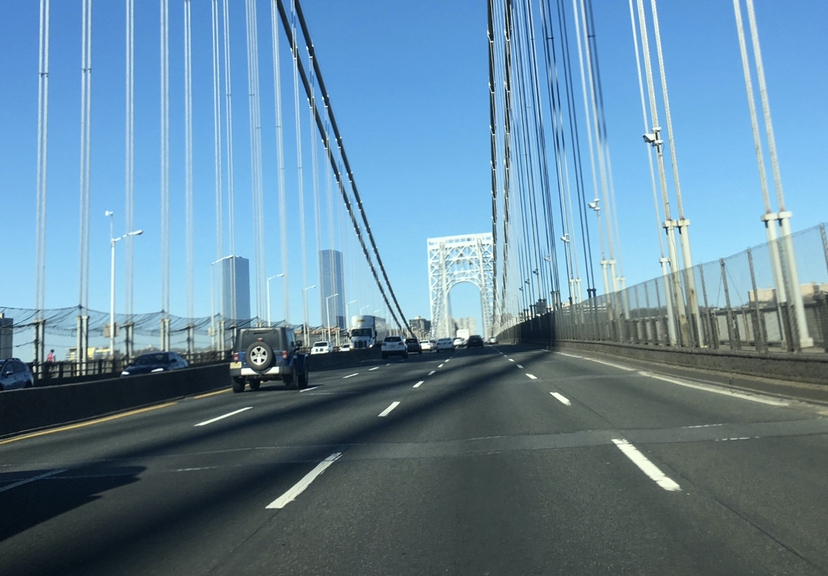
    A less busy New York. People can go out when necessary.
    A less busy New York. People can go out when necessary.

    The news said President Trump was considering an “enforceable quarantine” in New York. What did you prepare with regards to this?

    I heard this but I simply ignored what he said as he is being bipolar every now and then, you never know what is in his mind. 

    Who do you trust more to save New York: Donald Trump or Andrew Cuomo? Do you think the current measures taken in New York State are good enough?

    Cuomo for sure. All non-essential businesses need to close now(e.g. shopping malls, salons, gyms, cinemas), but public transport is still running. The so-called New York lockdown is not exactly like the Wuhan lockdown (way less strict). I think the current measures are ok but it seems more enforcement is needed. 

    The US government aims to provide free testing for COVID-19 but their plans have not yet included the cost of treatment. How do you feel about that?

    Luckily I have insurance plans that cover me and my family…


    Also available at Amazon.sg

    Do you think discrimination against Asian peoples has been getting worse because of COVID-19? As an Asian living in New York City, do you think it safe at the moment?

    I personally do not feel that and still feel safe at the moment, probably because I am living in a neighbourhood with a significant Asian population (>25%).

    Tomorrow, we’ll chat with a mother in South Africa whose child has been diagnosed with pneumonia but cannot get tested for COVID-19. Follow the latest in our COVID-19 Diaries series here.

    If you’re in a country that has been affected by the novel coronavirus and would like to share information about the situation where you’re at, do get in touch with us here.

    Photographs courtesy and copyright of Ting. Interviewer: Kauai
    Sponsor or support the COVID-19 Diaries series here.
    If you found this article useful:


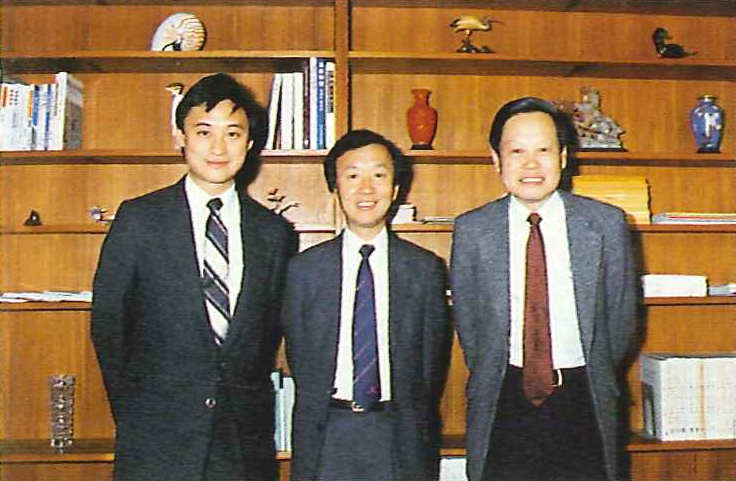
  • Charles Kao (middle) in 1988, aged 55.

    Life Summary: Charles K. Kao, ‘Father of Fibre Optics’

    In the 1960s, 33-year-old Charles Kao was researching fibre optics when he discovered how they could be used for high-speed data transmission. That research of his would go on to pave the way for the information age and revolutionise telecommunications for future generations. Here is a summary of how he lived his life and changed others’…

    Disclaimer: LUCK-IT will earn a tiny commission when you purchase any of the Amazon products on this page.

    1933 – Charles Kao Kuen is born in Shanghai, China to a lawyer who had become a university professor.

    Childhood – He studies Chinese classics until he enters an international school where he then masters English and French. Plays with chemicals as a child.

    Age 14 – Charles’ family moves to Hong Kong to get away from political instability.

    Age 19 – He graduates from St. Joseph’s College—a prestigious school.

    University – He studies electrical engineering at the University of Greenwich and obtains his Bachelor of Science degree from the University of London. He meets his future wife, Gwen Wong May-wan, who is a Fortran programmer.


    Also available at Amazon.sg

    After graduation – He gets a job at Standard Telecommunications Laboratories in Harlow, England and begins his groundbreaking scientific research: investigating how fibres of very pure glass can transport light over distances longer than traditional fibres, laying the groundwork for high-speed data communication.

    Age 32 – He receives his Ph.D. from University College, London.

    Age 33 – He writes a paper on how glass fibre can be used for high-speed transmission of information.

    Age 37 – He gets a job that the Chinese University of Hong Kong and founds the Department of Electronics.

    Age 41 – He emigrates to the U.S.A. and begins working for I.T.T. Corporation in Roanoke, Virginia.

    Age 43-81 – He wins numerous awards all around the world and donates most of his prize medals to the Chinese University of Hong Kong.

    Age 46-69 – He receives numerous professorships and fellowships from various universities and societies around the world.

    Age 49 – He is the first Executive Scientist at I.T.T. and is also now serving as adjunct professor and Fellow of Trumbull College at Yale University.

    Age 52-78 – He receives honorary degrees from universities all over the world.

    Age 54-63 – He becomes Vice Chancellor of the Chinese University of Hong Kong.

    Charles Kao (middle) in 1988, aged 55.
    Charles Kao (middle) in 1988, aged 55.

    Age 63 – He retires and becomes visiting professor at the Chinese University of Hong Kong. A wing at the Chinese University is named after him.

    Age 67 – He founds the Independent Schools Foundation Academy in Hong Kong and serves as its chairman till 2008. During this time, he also serves as Chairman of Transtech Service Ltd and I.T.X. Services Ltd.

    Age 71 – Charles’ is diagnosed with Alzheimer’s Disease and eventually no longer recognises his family. He goes to live in Mountain View, California, U.S.A., close to his children and grandchildren.

    Age 76 – He wins the Nobel Prize in Physics and his wife says in an interview that the money will be used to pay for his medical expenses. An auditorium at the Hong Kong Science Park is named after him.

    Charles Kao receiving an honorary degree from Princeton University in 2004, aged 71. Pictured with his wife.
    Charles Kao receiving an honorary degree from Princeton University in 2004, aged 71. Pictured with his wife.

    Age 77 – A stamp honouring Charles K. Kao is issued in Hong Kong. He is given the honour of becoming a Knight Commander of the Most Excellent Order of the British Empire and receives the Grand Bauhinia Medal in Hong Kong.

    Age 78 – A Blue Plaque is dedicated to him in Harlow, Essex, England.

    Age 84 – He passes away in hospice care in Hong Kong. He is survived by his wife, children and 3 grandchildren.

    Charles in 2003, aged 70.
    Charles in 2003, aged 70.

    More life summaries available here.

    Photographs: Public Domain. Compiler: Sy
    Sponsor or support the Life Summary series here.
    If you found this article useful:


  • What It’s Like Being Older Than 20

    As a teenager, Cho Jun Ming was considered a youth-at-risk—going in and out of police stations multiple times and breaking enough rules for his teachers and principals to give up on him. Past age 20 however, he changed and is now a man on a mission to affect positive change through film-making. We asked him what changed and were surprised to hear him advocating the importance of getting good grades in school. 

    Disclaimer: LUCK-IT will earn a tiny commission when you purchase any of the Amazon products on this page.

    “Wealth is definitely very important because to do anything that you want you definitely need money.”

    Q: Hi Jun Ming! Could you tell us a little bit about yourself and how old you are now?

    A: Hi, I’m 24 this year. I’m an independent self-taught film-maker. I usually make films that inculcate social values and make a positive change to society. For example: Anti-drugs, anti-suicide, anti-depression, chasing dreams, cherishing lives and other societal issues. 


    Also available at Amazon.sg

    What are your current daily and weekly routines like?

    I am right now serving my National Service [compulsory for all Singaporean males older than 16.5 years of age] and I do army media work. So Monday-Friday, during normal office hours, I’ll work till 5, and during the weekends I’ll do my own writing—films, story ideas writing—and production schedules. 

    How is your body different from what it was like at age 10?

    Aged 10, I was more hyper-active, more energised. Because I’m actually a person suffering from ADHD, at the age of 10 I was super energetic and had good stamina. But right now it has deteriorated so I’m less active.

    Jun Ming graduating from Kindergarten.
    Jun Ming graduating from Kindergarten.

    What brings you joy these days?  

    I think that to be able to help people overcome their negative thoughts and their setbacks brings me joy because I came from a background where not everything is as simple as it seems and I’ve had to climb very hard in my film-making journey. So I understand those who are struggling with their lives, or who are at their lowest point of their lives. Helping them brings me joy. 

    Which item, bought or received in the past year, has been most useful to you?

    I think it is my dad’s jacket. Because before he passed on, he didn’t pass me anything except for this jacket which he wore during his younger days. So this jacket actually brings me motivation and tells me that I need to keep on working hard, not just for myself but for him as well.  


    Also available at Amazon.sg

    What were you like as a kid and how have you changed since?

    As a kid I was very rebellious. Just like most kids I didn’t cherish my parents well. And as an only son, I got mixed up with a group of friends who were not exactly negative but interesting people with stories of their own. So I grew up in an environment different from my peers in a bad way but that bad way actually taught me a lot of knowledge and gave me experiences. 


    Also available at Amazon.sg

    Can you list 3 things you realised or learned only after age 20 that you didn’t know before? 

    The first would be to plan ahead. I think planning ahead is very important—though most young people only look at the current and don’t look ahead much. 

    Second would be to have faith. Faith in others. As long as you show them you have the ability to work hard and be determined to do your own things, people will eventually help you. 

    The third would be family love. Because I lost my dad, I’m full of regrets now that I want to cherish him but I don’t have any chances left.   

    Which 3 people or things in your life are most important to you right now? 

    The first would be my passion—my passion in film-making. Because I always believe film can create positive change for society and is a universal language that connects the storyteller to the audience. 

    The second would be my father because he’s a very calm person and whenever I did something wrong he wouldn’t try to beat me or scold me, he just taught me about the do’s and don’ts. I didn’t see that when I was young but now that he’s gone I’m starting to reflect back and starting to miss him. 

    The third would be not a thing or person but the opportunity to be able to help those who are in need because I believe there are more people troubled right now. 


    Also available at Amazon.sg

    How important is status at age 20? What about wealth, knowledge acquisition, romance, birthdays and friendships? 

    Wealth is definitely very important because to do anything that you want you definitely need money. And I think knowledge is important because if you have the right knowledge, then your path will be a better one—the way you carve your path in the future will be a better one. And as for romance, to be honest, I agree with the people who say that you should have your career stabilise first before you find your life partner. Just let nature flow. Birthdays… if you’re happy then everyday will be your birthday. Friendships are very, very important. I think you should have a strong bond of friendship, brotherhood, so you should lend a helping hand in the future. 

    What regrets do you have?

    My regret would be not studying hard. I have a passion for films but because of my poor N-Level results I was unable to get into film school—I was rejected 3 times. So I now think academics really play a very important role. 

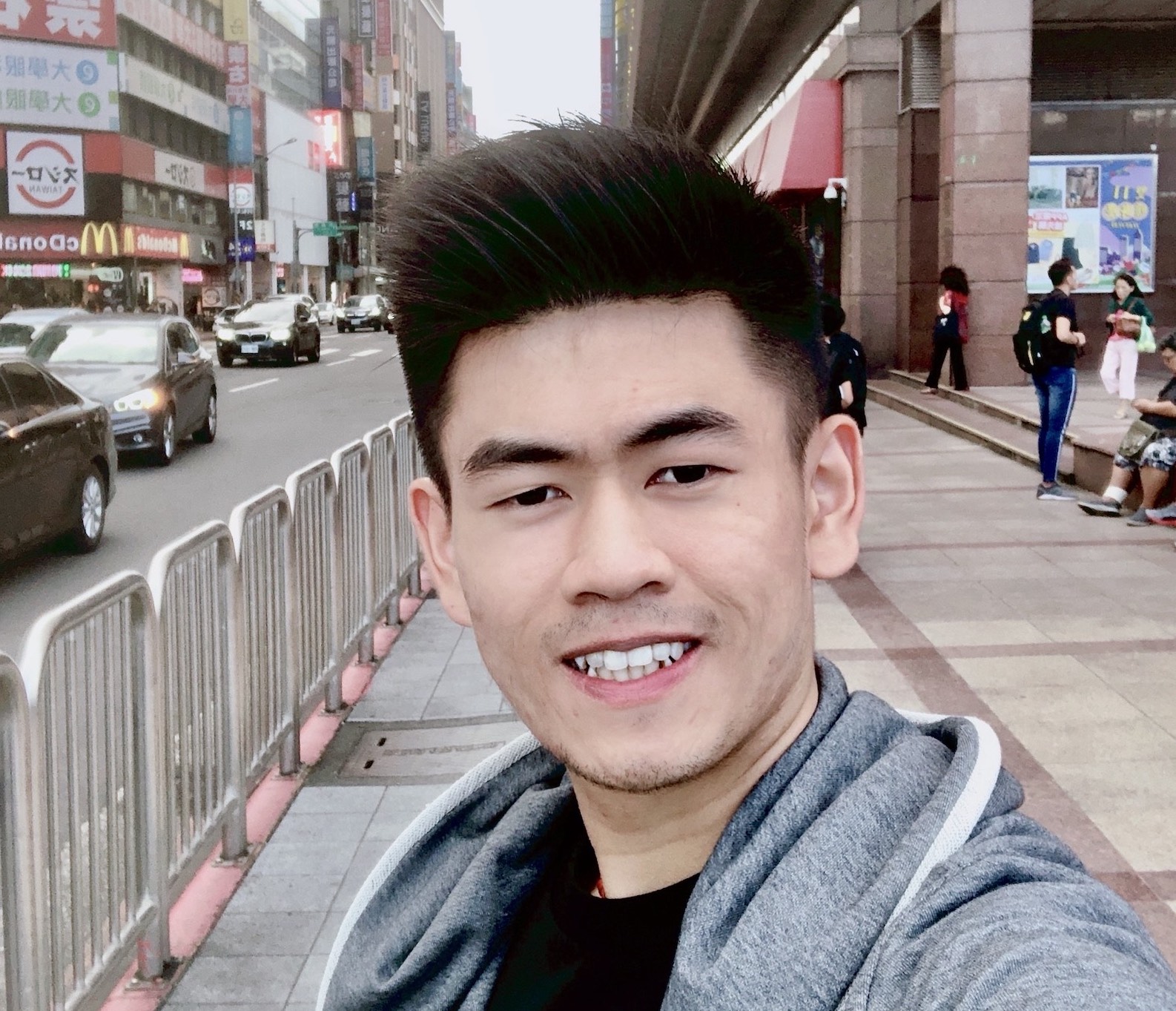
    Jun Ming now.
    Jun Ming now.

    What do you think those not yet 20 should be doing while they still can?

    I think that they should try to play less and try to reflect on what they are about to do in the future—about how they can contribute to society in a better way. 

    Is there anybody you presently look up to, who you would like to learn from?

    I will just name 1: M. Night Shyamalan, the director of Glass, Split and The Sixth Sense. I would like to learn about his storytelling style and his directing style. 

    Lastly, do you think about death? And if so, what do you think of it? 

    Currently, no. But after my dad’s passing I actually fell into a severe depression and from there, I really thought about death every day. What I think about death is that life is very meaningless if you don’t know what to do with it in the next 10 or 20 or 50 years. So at that moment, when I really didn’t know what I was doing, I thought of ending my life by either jumping down or over-dosing on medication. Which I did. I attempted both but I failed.  

    Jun Ming has, fortunately, finally gotten into film school which he will start in August this year. Once that is over, he hopes to be able to make films that represent Singapore and get those films into international film festivals. You can follow his updates on his Facebook page or exchange words with him using the comment box below. (Fun fact: He’s single and has never been in a relationship before!) Next time we talk with him, we’ll be asking how he got over losing his dad at a young age. Stay tuned. 

    If you would like to share your thoughts on being the age you are, do let us know here. Or read what it’s like to be a different age here

    You may also be interested in:
    What It’s Like Being Older Than 30
    What It’s Like Being Older Than 40

    Photographs courtesy and copyright of Cho Jun Ming. Interviewer: Sy
    Sponsor or support The Wisdom Of Old Age series here.
    If you found this article useful:


  • COVID-19 Diaries: The Situation In Indonesia, 111 Days In

    Naya is a university student in Jakarta, Indonesia, 4,166km away from Wuhan, China. She lives with her mom, dad and younger sister, and told us how the Indonesian government’s decision to reduce transportation routes to deal with the spread of the virus might have inadvertently caused new cases to form because of the long lines that resulted. 

    “My friend almost got harassed on the train and only one person helped. In the middle of this pandemic, there are still people out there trying to sexually harass someone and that is sad.”

    Q: Hi Naya, thanks for speaking with us all the way from Indonesia! When did you first hear about the 2019-nCoV novel coronavirus and what did you think of it then?

    A: I heard it first through news on social media. I saw videos of people in Wuhan, China collapsed on streets or simply lying there. I thought it shocking and worth noticing. But honestly, I thought that it would die down soon. 

    How concerned are you and the people of Indonesia now? How many are infected or dead because of the virus in Indonesia at the moment of this interview? 

    Currently, 369 people are positive and 32 people are dead. I am very concerned because the numbers are increasing fast. Mortality level here is very high, more than China and Italy. I can’t speak for all of the people in Indonesia, but some of us care and some of us think that this is the opportunity to go on a vacation. 

    “My food supplies! It’s not piling up because we can still order food online.”
    “My food supplies! It’s not piling up because we can still order food online.”

    Who were the first few coronavirus infected people in Indonesia and where did they contract COVID-19 from? 

    2 people, mother and daughter, first got infected when they interacted with a person from Japan. When that person went back to Malaysia, it turned out that he got the virus. That’s why the mother and daughter got checked to see if they got it. 

    How did most people in Indonesia contract COVID-19? Can you tell us about the biggest clusters and how those happened? 

    Biggest cluster is probably the long line of people waiting for the TransJakarta bus until [they spilled out onto] the streets. The government reduced transportation routes so many people piled up on certain lines. Over the past few days, influencers have helped charities and supplied hospitals but there are still people that go outside due to their jobs so I think that could also be the primary cause. 

    Another photo of Naya’s food stash.
    Another photo of Naya’s food stash.

    Indonesian Transport Minister Budi Karya Sumadi has been infected with COVID-19. How do you think that happened? 

    I actually believe that this virus had been in Indonesia for a while. People know that they are positive only because of getting medical check-ups but here in Indonesia we have to go to the hospital IF we want to get checked up. It is not a MUST to go to the hospital. I don’t know for sure how he got COVID-19, maybe because he interacted with someone that is infected but both of them didn’t know. 

    What is the status of food, water and medical supplies in Indonesia right now? Are there any shortages? What is the plan for those shortages if so?

    Fortunately, we still have all of the supplies. People can order food and vegetables through online apps so that is really helping us right now. Supermarkets limited certain things to prevent panic buying. 

    Have you and those around you done anything to prepare for the possibility that the novel coronavirus pandemic might get worse?

    I don’t have a plan. All I’m doing right now is staying at home with my family. If it did happen, I don’t have anywhere else to go other than my home so I’ll try my best to stay inside and healthy. 

    How has the COVID-19 pandemic affected your life and that of those around you?

    I have to do online classes because of COVID-19. I can’t have meetings with my organisation and my show got postponed until November. So it is really affecting my life right now. My friends are all disappointed and sad because we can’t hang out like we used to. My father has to work from home and do all of the meetings [at home]. The time schedule is the worst because there is no clear boundaries between work and break. 

    “My ‘working space’. Sometimes my father uses it for meetings. I usually just lie on my bed and do online classes.”
    “My ‘working space’. Sometimes my father uses it for meetings. I usually just lie on my bed and do online classes.”

    What will you do if you or those who live with you develop symptoms of the virus? What do the authorities of Indonesia want you to do?

    If that occurs, we have to get them checked immediately. We should go to the referral hospital. Then, that person would have to isolate themselves while waiting for the test. If he is infected, an ambulance will pick him up and take him to the [other] hospital.

    When do you think this COVID-19 pandemic will end and why do you think so? 

    Honestly, I have no idea. If people don’t take this seriously, then this pandemic will continue. I know they found the vaccine, but if people are still careless I don’t think it will end. 

    What are the best and worst examples of humanity you’ve seen since the COVID-19 crisis broke out?

    The best one: Influencers in Indonesia dedicated some of their money to raise for charity to the hospital. They are also giving out safety suits to them. 

    The worst one? My friend almost got harassed on the train and only one person helped. In the middle of this pandemic, there are still people out there trying to sexually harass someone and that is sad. 

    Which 3 items or people are most useful for you right now? 

    They are my family, soap, and internet. ^-^

    The last time Naya went out, she wore this. That was 3 days before this interview was done.
    The last time Naya went out, she wore this. That was 3 days before this interview was done.

    Where are you answering this Q&A from? Can you describe the situation in your neighborhood right now?

    I’m answering this from my house, my room to be exact. My neighbourhood is a school zone yet right now it is very quiet. I don’t see people hanging out on the streets anymore.

    Lastly, what have you learned from this novel coronavirus outbreak that you didn’t know before?

    The proper steps to wash your hands. I know it’s a common thing, but I didn’t always do those steps before. This novel coronavirus actually made me a better person in terms of hygiene. I’m paying much more attention to small things like wearing a mask when you’re sick, and coughing or sneezing into the bend of your arm, etc. 

    Naya is presently trying her best to get through this semester via online classes. She hoped to be able to be a social researcher once finishing her degree in Sociology but is presently simply waiting to see. You can read more about her on her blog nightimewriter153211359.wordpress.com or ask her for updates on the situation in Indonesia using the comment box below. 

    We have more interviews with people in other parts of the world coming up next week. Follow the latest in our COVID-19 Diaries series here.

    If you’re in a country that has been affected by the novel coronavirus and would like to share information about the situation where you’re at, do get in touch with us here.

    Other interviews with Naya:
    COVID-19 Diaries: Indonesia, 196 Days In

    Photographs courtesy and copyright of Naya. Interviewer: Sy
    Sponsor or support the COVID-19 Diaries series here.
    If you found this article useful:


  • COVID-19 Diaries: What It’s Like Being In Lockdown In Italy, 109 Days In

    Eleonora is from Milan, capital of the Lombardy region in Italy that has been hardest hit by COVID-19. She told us about the restrictions presently surrounding her, 8,684km away from Wuhan, China, and that nobody in Italy really knows how the first few Italian locals got infected. 

    “It all happened through social interaction.”

    Q: Hi Eleonora, thanks for speaking with us all the way from Italy! When did you first hear about the 2019-nCoV novel coronavirus and what did you think of it then?

    A: Hi Sara, thank you for hosting me first of all. I first heard about novel coronavirus back in January when the news was reporting what was happening in Wuhan but honestly, I did not pay too much attention to it at the beginning as it was happening far away. I was following the situation, although with a certain detachment.  

    Only later, on January 31 when, as a consequence of two Chinese tourists being hospitalised in Rome, the Italian Government declared the state of emergency, stopping all direct flights from China, did I realise how serious the situation was getting. 

    Yet life here (I live in Milan) was running as usual. Then, on February 21, the first Italian case was announced and everything changed.

    How concerned are you and the people of Italy now? How many are infected or dead because of the virus in Italy at the moment of this interview? 

    I am very concerned actually as there are many people infected in Italy, yet there is part of the population either in denial or minimising the seriousness of it as well as minimising the dangerousness of this virus.

    As per last night, the data is dramatic: The total number of cases of contagion is 35,713. A number that includes the 28,710 people currently positive (a 2648 increase in the number of people currently positive from the day before), the 4,025 patients cured and the 2,978 people who died.

    To date, there are 14,363 patients with related SARS-CoV-2 symptoms, 2,257 patients in intensive care, and 12,090 in home isolation. There have been 165,541 swabs carried out in Italy since the beginning of the epidemic. 475 people died in the last 24 hours

    Who were the first few coronavirus infected people in Italy and where did they contract COVID-19 from? 

    Patient 1 was a 38-year-old sportsman from Codogno, a small village 60km away from Milan. His wife was found positive too, as well as many of the people who had been with him in the ER waiting room. It is not clear how he contracted the virus. 

    According to research by the well-known virologist Professor Massimo Galli, the entry of the new coronavirus in Italy dates back to January 25. COVID-19 began to circulate on our territory on that very day from the Codogno area.

    Just 3 days earlier, the virus was isolated in Germany from a German manager infected by a Chinese colleague from Shanghai. The German strain turned out to be very similar to that of the one in Codogno.

    How did most people in Italy contract COVID-19? Can you tell us about the biggest clusters and how those happened? 

    It all happened through social interaction. First cluster, as said, happened in Codogno. The guy used to run in a team and play soccer. When what he thought was a simple flu started worsening, he went to the ER. Once there, he sat in the waiting room with many other people, probably for hours.

    Another cluster, though a smaller one, started in Vo’ Euganeo, a small village near Padua; it is not clear if any of the people who came out to be positive to the virus there came into contact with people in the Codogno area.

    At the moment, Bergamo and Brescia are the cities with the most cases which makes Lombardy the most hit region in Italy.

    What measures has the government of Italy imposed to keep the COVID-19 outbreak under control? We know the whole of Italy is in lockdown but what does that really mean? What can’t you do and what must you do?

    On February 22, the Italian Council of Ministers announced a new decree law to contain the epidemic, which provided for the quarantine of over 50,000 people from 11 different municipalities in northern Italy, including Codogno. The area was named the Red Zone. No one was allowed to leave those cities or enter them. Mandatory quarantine was imposed at their homes with permission to leave only for food and pharmaceutical shopping and with the obligation to wear protective masks. All for the duration of 14 days. Police officers were placed on guard. The penalties for violation of the blockade ranged from 206 euros fine up to 3 months imprisonment.

    On March 7, as the virus kept spreading, the lockdown was extended to all Lombardy (schools and universities, together with gyms had been closed 2 weeks earlier) and 2 days later all of the peninsula got included.

    Only food stores and pharmacies have been allowed to stay open since then; access to these stores is limited to allow at least 1 metre distance from one another. Face masks are highly recommended.

    We cannot leave our houses unless we have to go to work, to the supermarket or pharmacy, or if we have to, for example, assist relatives in need. When leaving our house, we have to fill in certification to be shown to the policemen patrolling the streets. If they determine that you made a false statement then you risk being reported for epidemic spread.

    The Government has also launched a series of economic interventions to support citizens who are unable to work and therefore do not have an income.

    How effective do you think the above measures have been in stopping the spread of the virus? What was done well and what could have been done better? 

    The more the population respects the lockdown and stays at home, the faster the virus will stop spreading. This is the only way to defeat this invisible enemy.

    The death rate of novel coronavirus infected patients in Italy is higher than most other countries. Why do you think that is the case? 

    There are different reasons why this is happening: Italy has the oldest population in Europe and as you know the virus is more aggressive on older people. And we have a population density of 200 per square meter.

    What is the status of food, water and medical supplies in Italy right now? Are there any shortages? What is the plan for those shortages if so?

    When the first restrictions were announced, people freaked out and emptied most supermarkets, but we have never experienced a shortage of any kind except for face masks and sanitising hand gels. Police are checking on people who are trying to exploit the situation and sell those items for more.

    Have you and those around you done anything to prepare for the possibility that the novel coronavirus pandemic might get worse?

    I am one of the lucky ones; I can work from home and study to keep myself busy. I stay inside and respect the rules. My mother, who is 77 and lives with me, has a series of pre-conditions and I must protect her.

    How has the COVID-19 pandemic affected your life and that of those around you?

    I cannot see my friends and family members as all kinds of social gathering is banned and it is hard, yet to avoid kissing or hugging my own mother is even harder; as said she is a fragile individual and I must prevent her from getting sick. Thank God we have all the means to reach faraway people and talk to them whenever we desire it.

    What will you do if you or those who live with you develop symptoms of the virus? What do the authorities of Italy want you to do?

    I would isolate myself to protect my mother who lives with me. We are asked to call some designated numbers if we have a temperature equal or higher than 37.5 degrees Celsius and a cough in order to inform the healthcare system. They would send people out to test your suspected positivity with the virus and evaluate if you need to be hospitalised or, if you only have mild symptoms, can take care of yourself at home though in isolation.

    If you did contract COVID-19, what do you think your odds of surviving it are and why do you think so? 

    The official death rate in my age range (I am 45) is 0.4%. I refer to it even if there are people in the same range who ended up in IC and needed to be intubated, as it happened to Patient 1.

    When do you think this COVID-19 pandemic will end and why do you think so? 

    I really cannot answer this question. The situation is getting worse and worse everywhere except for China which has inverted the contagion curve after its government took drastic measures. It will take months for sure and hopefully a vaccine will be ready soon.

    What are the best and worst examples of humanity you’ve seen since the COVID-19 crisis broke out?

    Best examples are younger people offering to buy food supplies for more fragile people in their buildings and help them with whatever they may need. I also really appreciated China helping us by sending medical supplies and doctors to help us in our fight against the virus.

    Worst probably Germany and other European countries retaining the masks stocks we order from abroad. They knew how much we need them, yet they tried to keep them for themselves. EU had to intervene, threatening to sanction them.

    Which 3 items or people are most useful for you right now? 

    Face protective masks, glasses and gloves. 

    Where are you answering this Q&A from? Can you describe the situation in your neighborhood right now?

    I am answering these questions from my apartment in Milan. I live in quite a central area and my neighbourhood is usually very lively. At the moment, it is absolutely silent and quiet. You only see people quickly walking their dogs and a car passing by once in a while.

    Lastly, what have you learned from this novel coronavirus outbreak that you didn’t know before?

    I am learning not to take things for granted. Your life may change drastically in matter of hours.

    Eleonora is presently working for the Italian association of financial markets professionals and also studying to become an English teacher. “I was supposed to start a course at the end of February but due to this situation it is now postponed to June; I am crossing my fingers.” She had to can her plans to visit friends in the Netherlands, UK and USA when the virus started and hopes to be able to resume travelling again at some point. You can read more about her documentation of her COVID-19 experience on her blog livinghardtimes.wordpress.com or ask her for updates on the situation in Italy by using the comment box below. 

    Tomorrow, we speak with a university student in Indonesia who has only just learned to wash her hands properly, thanks to COVID-19. Follow the latest in our COVID-19 Diaries series here.

    If you’re in a country that has been affected by the novel coronavirus and would like to share information about the situation where you’re at, do get in touch with us here.

    Photographs courtesy and copyright of MLWatts. Interviewer: Sy
    Sponsor or support the COVID-19 Diaries series here.
    If you found this article useful:

  • COVID-19 Diaries: Perspective Of A Prepper In Thailand, 103 Days In

    Mark is from Thailand, a country 2,123km away from Wuhan, China. Although there are only 177 confirmed cases of COVID-19 in Thailand at the moment of this interview, he is already well-prepared for a serious outbreak… ready to survive even if the virus wipes out 90% of the population in his country. 

    “I just went out with the protective suit and the P100 filtered respirator and didn’t even really get funny looks.”

    Q: How afraid of the novel coronavirus are you now? How did you prepare for the COVID-19 outbreak?

    A: I am pretty scared because I think at least 50% [of the time] that I have it myself and I am scared to give to my family.

    I bought a respirator mask, protective clothing, a lot of supplements such as Hydroxychloriquine, Ventolin, elderberry, vitamin C, vitamin D, NAC and ALCAR. I also bought antibiotics and a pulse oximeter. In addition, electrolyte powders too for diarrhoea; it saved my life one time. On top of that, I am growing veggies at home.

    [Interviewer’s research: Hydroxychloriquine is a malaria turned autoimmune drug that has been said to be effective in treating COVID-19—and has been heavily promoted by President Trump of the USA despite medical experts warning that they don’t yet know how safe and effective it really is. Ventolin is for treating shortness of breath caused by breathing problems like asthma and chronic obstructive pulmonary disease. Elderberry is full of antioxidants. Vitamin C is another antioxidant that also has many other benefits including the prevention of scurvy. Vitamin D is essential for building strong bones and helps prevent rickets. NAC or N-Acetyl Cysteine is used by the body to build antioxidants. ALCAR or Acetyl-L-Carnitine is an amino acid that is also produced by the human body to generate energy. Antibiotics are used to treat some types of bacterial infection. A pulse oximeter is used to measure the amount of oxygen carried within your body.]

    Wow! Where did you get your protective suit and respirator mask from?

    I bought the suit on lazada.co.th, a Thailand local site. [It cost] US$100, everything is reusable. For the respirator filters, I bought 20 extra sets. 🙂 The air here is so bad, it is good to have this outside to breathe normally. I think they were $6 for a pair but now they are about $20.

    Are you using the gear now or keeping them for later use?

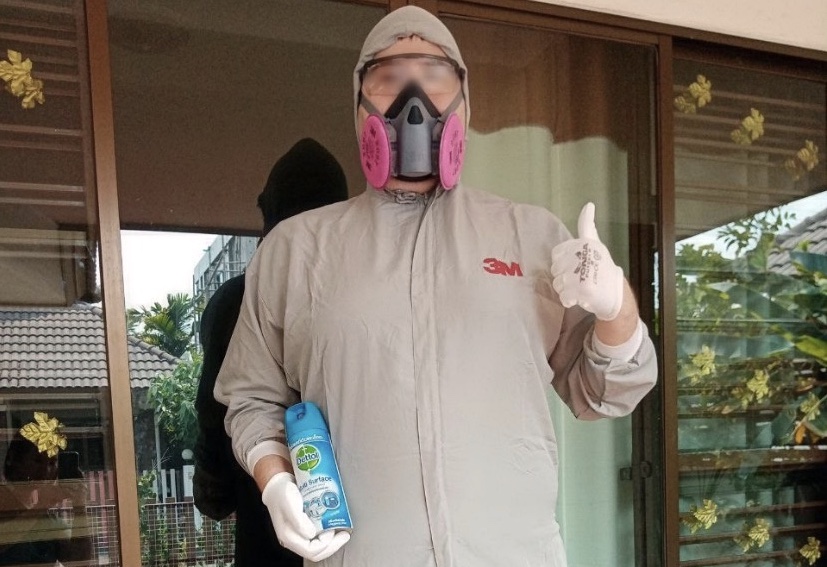
    I wore these PPE (personal protective equipment) and respirator mask today. I just went out with the protective suit and the P100 filtered respirator [the respirator option that blocks the widest range of hazards] and didn’t even really get funny looks. Really, most people had masks on, maybe 75% of the people.

    Mark in his protective suit with his P100 respirator.
    Mark in his protective suit with his P100 respirator.

    What measures were implemented/are going to be implemented by the government of Thailand to deal with the COVID-19 virus?

    They are fighting the virus in many ways. For example, temperature scans are everywhere, foreigners will have to download an app on their phone to track their movements on arrival.

    How do you keep yourself from getting infected?

    I’ve been already staying home now for a few weeks (but just out today with PPE), and will stay inside for a while. 

    Mark believes this novel coronavirus will change the world as we know it and likely not for the better. “Lots more authority and powers for those that have too much already.” 

    Tomorrow, we’ll chat with someone from the Lombardy region of Italy to find out what lockdown is like for one of its Milanese residents. Follow the latest in our COVID-19 Diaries series here.

    If you’re in a country that has been affected by the novel coronavirus and would like to share information about the situation where you’re at, do get in touch with us here.

    Photographs courtesy and copyright of Mark. Interviewer: Kauai
    Sponsor or support the COVID-19 Diaries series here.
    If you found this article useful:


  • Life Summary: Jane Goodall, Chimpanzee Expert

    Jane Goodall, born in London, travelled to Africa to visit a friend at age 23 and ended up spending most of her life in the wilderness there studying chimpanzees. This is the story and age-by-age breakdown of how she came to be known as the world’s foremost expert on chimpanzees…

    1934 – Jane Goodall is born in London, England. Her father is an engineer, her mother is a novelist. Her family moves outside the city to a house with a yard shortly after.

    Age 1 – Her father gives her a stuffed chimpanzee after a chimp named Jubilee is born at the London Zoo. Jane names her stuffed chimp Jubilee too.

    Age 4 – Jane’s sister, Judy is born, on the same day as her.

    Age 5 – Jane’s family is living in France. When World War II breaks out, they return to England. Her father joins the army. Jane moves to her grandmother’s house in Bournemouth with her mother and sister. Jane plays with earthworms and watches chickens lay eggs at the chicken coop in her grandmother’s backyard.

    Age 8 – Jane’s mother moves her daughters into their own home in Bournemouth. Jane will spend the rest of her childhood there. She starts a nature club with her sister and 2 friends. The Story of Doctor Dolittle is one of her favourite books.

    Age 10 – She decides she wants to live in Africa close to wild animals.

    Age 18 – Jane’s parents divorce. She remains in contact with her father but is not close to him. She graduates from high school but there is not enough money for college. She moves to London and becomes a secretary. She finds the work dull and eventually finds another job at a company that makes documentary films.

    Age 22 – An old school friend named Clo invites Jane to her family’s farm in Kenya. Jane quits her job to move back home to with her mother in Bournemouth, where the living standards are cheaper, then earns money for her trip to Kenya by working as a waitress.

    Age 23 – Jane travels to Mombasa, Kenya by ship, takes a train and a drive and arrives on her friend’s farm just in time for her birthday. She stays on the farm for a few weeks as a guest and at a party is introduced to the fossil hunter and scientist, Louis Leakey, who is a British citizen living in Kenya with his wife. He offers her a job as his secretary at a museum in Nairobi, Kenya and she takes it. Her other job would be to dig for fossils.

    Age 26 – Leakey wants to study chimps. He decides Jane would be the right person for the job and sends her to the Gombe Stream Game Reserve in Tanzania. She lives in a tent in the wild, one hour away from the nearest town, with 1 cook and 2 scouts, and her mother comes to join her for four months. They both contract malaria and are ill for 2 weeks but survive. Once her mother leaves, she starts observing chimps in an area she calls the Peak. The chimps soon get used to her. She names the chimps and soon learns they are not too different from humans. She sends her findings to Leakey who spreads word about what she had learned. The National Geographic Society soon gives her money to stay in Gombe for another year.

    Age 29 – National Geographic publishes an article about Jane called ‘My Life Among Wild Chimpanzees’. For that article, Jane invites her sister Judy to Gombe to help her take photos but the photos are not good enough for the magazine. Eventually a young photographer from National Geographic, Hugo van Lawick, goes over instead. They fall in love and the photos are a success. Leakey helps Jane get into Cambridge University and the school allows her to study for an advanced degree after deciding that her work with the chimps counts as a college degree.

    Age 30 – Hugo and Jane marry.

    Age 31 – Jane completes all the work for her doctorate and gets a PhD in Ethology. She is now Dr. Jane Goodall. She appears in an hour-long program on national TV in the US and becomes famous. The National Geographic Society provides more money for Jane’s work. Buildings are erected and covered with grass to blend with the forest. Graduate students go over to join Jane. The group learns even more about chimps then.

    See young Jane Goodall in action in the forests of Gombe. 

    Age 33 – Jane and Hugo have a son. They call him Hugo and nickname him Grub. They move to a house by the lake to keep him safe from the chimps and Jane spends most of her time caring for him while students go into the forests to do the research.

    Age 37 – Jane publishes ‘In the Shadow of Man’. It becomes a best seller and is translated into about 50 languages.

    Age 40 – Hugo and Jane get a divorce.

    Age 41 – A group of armed men kidnap 4 students from the research camp and demand money for their release. The ransom is paid and they are unharmed, but after that, no more students come to live at Gombe with Jane. Trained field staff from Tanzania take over the work. Jane marries Derek Bryceson who works with the government of Tanzania and lives in Dar es Salaam.

    Age 43 – The Jane Goodall Institute is founded to continue the study of chimps at Gombe and protect them and other animals.

    Age 46 – Derek dies of cancer.

    Age 46-85 – Jane receives numerous awards for her work. There are also numerous films and books about her.

    Age 57 – 16 African teens and Jane start the Roots & Shoots club for kids who want to learn about animals and how to protect them. They would go on to set up Roots & Shoots clubs in over 120 countries.

    Age 60 – Jane begins a program called TACARE to replant stripped forests in Africa and help people living near chimps improve their lives. She also starts ChimpanZoo, touring zoos and labs that worked with chimps to improve the lives of the chimps in those conditions. She starts spending less time in Gombe and more time travelling the world giving talks about the causes she cares about.

    Age 66 – Jane publishes ‘Reason for Hope’. Her mother dies. Her former husband, Hugo, dies of cancer.

    Age 68 – She is named UN Messenger of Peace.

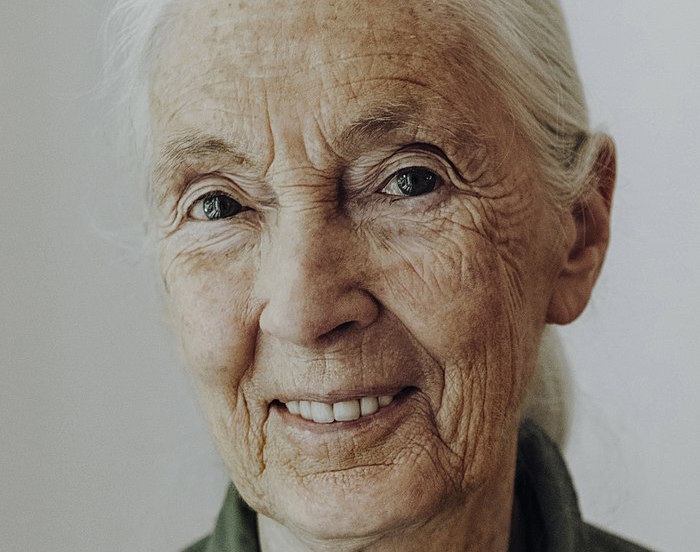
    Jane Goodall in 2010, aged 76.
    Jane Goodall in 2010, aged 76.

    Age 71-79 – She receives honorary doctorate degrees from universities all over the world.

    2020 – Jane is presently 86 years old.

    More life summaries available here.

    Photographs: Nick Stepowyj. Compiler: Sy
    Sponsor or support the Life Summary series here.
    If you found this article useful:


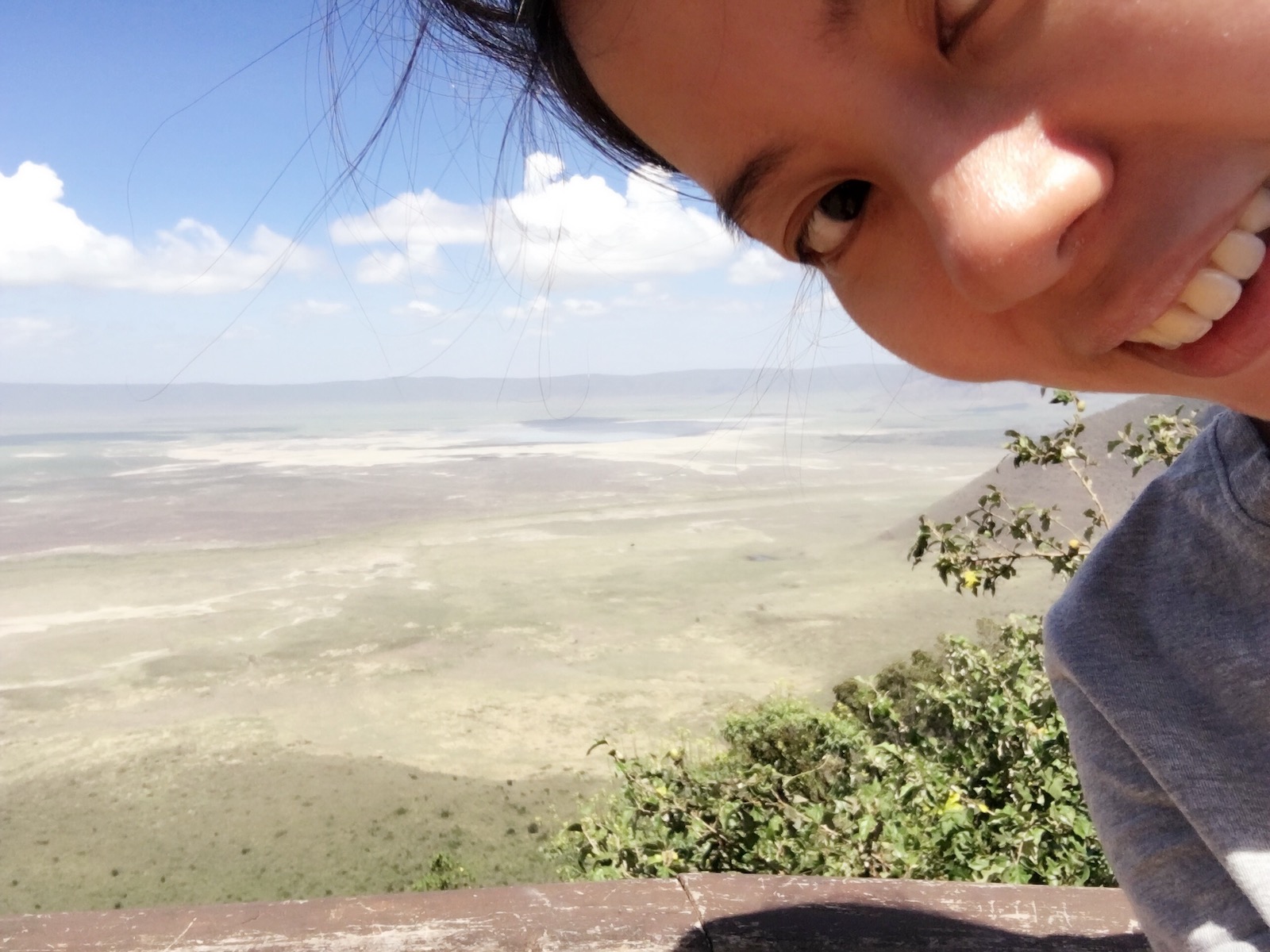
  • “Me aged 34, looking out at the Ngorongoro Crater in Tanzania where the oldest human fossil, ‘Lucy’, was found.”

    What It’s Like Being Older Than 30

    Hello, I’m Sy, founder and chief of editorials at LUCK-IT. Once a year, I do a self-interview to test out the interview system and refine the process for our interviewees. This is my system test for 2020 and the start of a new series we’ll be running throughout the year called ‘The Wisdom of Old Age’—about what life is like at every decade, told by those who are living it. It is also a (rare) way for you to learn that little bit more about me. Please enjoy.

    “’Adults’ don’t really know what they’re doing with their lives either.”

    Q: Could you tell us a little bit about yourself and how old you are now?

    A: I’m 36 at the moment of this interview. And am presently a digital solopreneur and creator of 2 brands, who wants to be a proper entrepreneur like everybody else one day. 

    What are your current daily and weekly routines like?

    I work from 9-5:30 on weekdays with a 2-hour break for lunch from 1-3pm. At least in theory. In reality, it always varies, often longer, sometimes less. Because I have 2 different brands that I’m trying to grow concurrently (against the advice of a wise man who tried but failed to convince me I won’t succeed doing 2 things at one go), I’m either splitting my day into 2 or splitting my month into 2, depending on where I’m at on each of my projects. 

    I start all work days with fruit and an 8-min run, and end my day with a home-brew toning routine I crafted for myself and a 3.6km walk when possible. Evenings are for socialising and chores. Before bed, I will journal and read either online articles or books or watch something.

    On weekends, I either go out and interact with the world and its offerings or read, watch stuff and game at home. And of course, there are more chores. I wish I didn’t have to do so much chores. 

    How is your body different from what it was like at age 20?

    At age 20, I could drink till 6 in the morning and go out at noon looking and feeling perfectly normal. Now, any minor change in my bed time and wake time and my brain will be in a fog, my body sluggish and my face grey for the rest of the next day. Fine lines are also appearing around my face and I have in the past year started seeing (and removing) white hairs. The only good thing is that I feel stronger these days than when I was 20, likely because I have this regular exercise routine now that I didn’t have before.

    “Me as a kid, shortly before life got complicated.”
    “Me as a kid, shortly before life got complicated.”

    What brings you joy these days?  

    My work. (Yes, I can get a high from working some days, I don’t know why.) My loved ones. Uninterrupted nature and fresh air. Animals. The sea. Games. Movies. Books. More games.

    Which item, bought or received in the past year, has been most useful to you?

    The Bosch Flexxo Serie4 Lithium Power vacuum cleaner—which is basically an all-in-one wireless vacuuming system. I think such vacuum cleaners have been in the market for a while but since I had been using a bulky wired vacuum cleaner which required me to bend and plug in and out every time I entered a new room, the Bosch Flexxo basically revolutionised my life and made it so much easier to clean up.

    The iPad 2019 I got to replace my favourite item of last year—the Boox Note, which unfortunately became unusable shortly after—was also useful, but it didn’t revolutionise my life the way the Bosch Flexxo did. 

    “My Boox Note, a favourite of last year, which ended up having battery problems and swelled beyond recognition soon after. The manufacturer gave me a Boox NotePro as a replacement but I no longer dare use it to type on like I did before. The iPad 2019 has taken its place and has served me very well since.”
    “My Boox Note, a favourite of last year, which ended up having battery problems and swelled beyond recognition soon after. The manufacturer gave me a Boox NotePro as a replacement but I no longer dare use it to type on like I did before. The iPad 2019 has taken its place and has served me very well since.”

    What were you like as a young adult and how have you changed since?

    As a young adult I was reckless and quite obsessed with trying new things all the time, just to know what the experience would be like. With regards to the major matters of life like career and family-building however, I conformed mostly to what everybody around me believed would be best. 

    Past 30, I became way less reckless and now no longer do things just to know. For major matters of life, I no longer emulate the behaviour of the masses and generally custom-make my own way of living in order to attain maximum inner peace and joy. 

    Can you list 3 things you realised or learned only after age 30 that you didn’t know before? 

    1–“Adults” don’t really know what they’re doing with their lives either; everybody’s really just winging it and hoping for the best.
    2–Love is wonderful indeed but also comes with more worry, effort and compromise than you would ever have to experience when not loving.
    3—More is not always better.  

    Which 3 people or things in your life are most important to you right now? 

    Loved ones. A computer with internet connection. And regular periods of silence and stillness because those seem to boost my creativity tremendously and calm my soul.  

    How important is status at age 30? What about wealth, knowledge acquisition, romance, birthdays and friendships? 

    Status is not important to me but it seems to be quite important to some of the people around me and many of the people I’m connected with on Facebook. Wealth-building is important because I can sense my energy and employability waning as the years go by so in this regard it feels like now or never for me. Knowledge acquisition is still important because there’s a lot I want to do that I don’t know how to and thus I have to learn a little more every day. 

    Romance is no longer as important as it was in my 20s because I’ve already picked one and settled down. Birthdays are getting less and less important with every passing year—sometimes I even struggle to remember precisely what age I am. Friendships… I hate to say this but for me friendships have taken a backseat because family, work and knowledge acquisition are now what I focus on and there just simply isn’t enough time to nurture friendships with those going on. I still do hang out with long-term friends every now and then and communicate with them often via text but it’s no longer this regular important activity like it was when I was in my 20s. 

    What regrets do you have?

    I regret not learning programming when I had all that free time when younger. Back in secondary school I had the chance to learn Javascript when it was still new and fresh but I kept away from it because it seemed “too difficult”. I am trying to learn Javascript now but the complexity of the language has grown tremendously since the 2 decades that have passed, and I have to also grapple with not having much free time anymore, so it just makes it even more difficult than if I had just sucked up the challenge years earlier. 

    What do you think those not yet 30 should be doing while they still can?

    Socialise like there’s no tomorrow (it’s much harder to make new friends in your 30s), learn skills with your free time instead of wasting it entirely on leisure activities (it’s also much harder to learn skills when you have more commitments later in life) and do all the weird and bizarre things you have been wondering about because at your age, you will still be excused for doing so. Also, save as much money as you can so that you can use those savings to invest into projects or products that can bring you additional streams of long-term income.     

    Is there anybody you presently look up to, who you would like to learn from?

    Oprah Winfrey and Tim Ferris. If you can’t already tell, the whole of LUCK-IT is me trying to be as wise and helpful as they are.

    Lastly, do you think about death? And if so, what do you think of it? 

    I don’t think of death on a regular basis since I’m generally still very healthy at this point in time. But on the rare instance I hear about the people related to the people around me falling ill or dying (usually those 50 and above), I find myself noticing that death often happens out of the blue, when you least expect it. Thus I think it important to live properly every day, in the way you yourself genuinely find meaningful, because when the time comes, whenever that may be, you won’t be getting any more second chances.

    These are, of course, merely my own thoughts of life, and hardly an accurate representation of what another 30-year-old’s experience might be. Thus, for the rest of the year, I’ll be compiling answers from various people of various age groups just so we can all get a better picture of what life could be like an every age. If you’ve just had a birthday and would like to discuss what you now know now that you’re that little bit older, do tell me about your interest here.  

    Read the rest of the Wisdom Of Old Age series here

    You may also be interested in:
    What It’s Like Being Older Than 40
    What It’s Like Being Older Than 20

    Photographs courtesy and copyright of Sy. Interviewer: Sy
    Sponsor or support The Wisdom Of Old Age series here.
    If you found this article useful:


  • Nicholas in his office.

    COVID-19 Diaries: Perspective Of A Businessman In Singapore, 98 Days In

    Nicholas Chee is a 41-year-old consultant, film executive producer and and film festival co-director who is based in Singapore and Kaohsiung, Taiwan. He told us how the COVID-19 crisis has made him reassess his opinion of his business, and why he might decide to go into retirement earlier than planned because of it. 

    “I always knew that as some point “shit will hit the fan” the way our global economy was heading. But never thought it would take a Coronavirus to actually be the catalyst.”

    Q: Hi Nicholas, thanks for being here! When did you first hear about the COVID-19 / 2019-nCoV coronavirus and what did you think of it then?

    A: Hello Sara, thank you for having me. I first read about the COVID-19 sometime in the 3rd week of January 2020 and I didn’t have a good feeling about it so I even skipped my usual extended family reunion during CNY [Chinese New Year]. Now that we are 1 month into DORSCON [Disease Outbreak Response System Condition] orange, I was hoping for some clarity but with the global spread starting, I think we are heading for even rougher seas ahead till the end of the year.

    How concerned are you now? How many people do you personally know who’ve been afflicted with the coronavirus or who have been served quarantine or leave of absence orders?

    TBH, I am very concerned about it especially so when I haven’t been able to go back to Kaohsiung (where I’ve been based since 2019) for 2 months already. So far I don’t know anyone in my first degree who has been infected or quarantined.

    How many cases are there in Singapore at the moment of this interview? How concerned is Singapore at this point?

    We are currently at 150 infected with 90 recovered according to CNA [Channel NewsAsia]. Well, we are at DORSCON Orange, 1 level below Red but I’m glad we have no deaths so far.

    The stash of 4 masks given to every household in Singapore by the Singapore government.
    The stash of 4 masks given to every household in Singapore by the Singapore government.

    For the benefit of our overseas readers, can you explain how the majority of the confirmed cases in Singapore got infected?

    I believe our “Patient 0” was a tourist from Wuhan, the epicentre of the epidemic. 

    You’re a business owner in Singapore, so how has this coronavirus outbreak impacted your business thus far?

    I run a video production company and it’s been very very challenging with projects being cancelled or postponed indefinitely but my friends in the Event and Live Entertainment sectors have it worse.

    What do you foresee happening to your business and other businesses around Singapore if the outbreak does get worse or persists for more than 6 months?

    TBH, if this situation prolongs and market confidence doesn’t come back—we might have to close shop for good.

    Nicholas in his office.
    Nicholas in his office.

    What are your plans if that were to happen?

    I already have my retirement plans planned out. It was supposed to be 3 years from now when I turn 45—and the plan was to retire in Kaohsiung with a little small farm and live off-grid. It might just happen sooner then. 
    [Interviewer note: Whoa, nice! Do teach us how too.]

    Did you ever expect or plan for a situation like this 2019-2020 novel coronavirus outbreak?

    I always knew that as some point “shit will hit the fan” the way our global economy was heading. But never thought it would take a Coronavirus to actually be the catalyst—was expecting more of a WW3 scenario TBH.

    How will being put on quarantine, Leave Of Absence (LOA), or contracting the virus affect your financial situation?

    This would be a tough one—personally I do have sufficient savings but for the business, it’s a different story altogether.

    Do you think anybody or any organisation—government or private—will be helping you out if the economy continues to tank?

    I believe that our G. has been very quick to react with rescue measures—but how that can last is anybody’s guess.

    Nicholas' COVID-19 preparations.
    Nicholas’ COVID-19 preparations.

    What do you think can or should be done to help affected businesses tide through this epidemic?

    This is a good time for businesses to reassess their viability and perhaps a good opportunity to radically innovate or even pivot for the future.  

    What have you learned from this coronavirus outbreak that you didn’t know before?

    How insignificant and irrelevant we and our work (as creatives) really are—what matters most is how we treat each other as fellow human beings. 

    Is there anything you regret not doing earlier?

    I did manage to get my toilet paper stash eventually so all is good now. 

    Which 3 items or people are most useful for you right now? 

    My iPhone (with internet connectivity), my Multitool and a water bottle with a built-in filtration system. 

    Lastly, is there any business you know of that is doing better than usual because of the COVID-19 outbreak?

    Surgical Mask flippers!

    Nicholas plans to “eat healthier, smile more! Eat healthily and smile more!” over the next year. You can find him at his Facebook group “SG COVID-19 Creative/Cultural Professionals & Freelancers Support Group”, on LinkedIn or chat with him using the comment box below. 

    Next week, we’ll move on to other continents to find out how the virus has spread to other countries. Follow the latest in our COVID-19 Diaries series here.

    If you’re in a country that has been affected by the novel coronavirus and would like to share information about the situation where you’re at, do get in touch with us here.

    Photographs courtesy and copyright of Nicholas Chee. Interviewer: Sy
    Sponsor or support the COVID-19 Diaries series here.
    If you found this article useful:


  • COVID-19 Diaries: The Situation In Hong Kong, 96 Days In

    Juliana, who we interviewed last year for getting through 4 years of topical steroid withdrawal, is a sales and operations executive living in Hong Kong with 2 family members and 3 dogs, 919km away from Wuhan. She told us how the COVID-19 epidemic caused her to lose her primary source of income and explained why the people of Hong Kong have been hoarding toilet paper. 

    “There are no apparent clusters, because it’s basically everywhere now.”

    Q: Hi Juliana, thanks for connecting with us all the way from Hong Kong! When did you first hear about the 2019-nCoV / COVID-19 coronavirus and what did you think of it then? 

    A: I heard in the second week of January. They were rumours at first. I was just observing people talk about it. Some are extremely fearful, while some couldn’t be bothered. A lot were mocking the government’s response to the news. It was entertaining I’d say. Personally, I didn’t think it was going to be that serious.

    How concerned are you and the rest of Hong Kong now? Do you personally know anyone who’s been infected by the novel coronavirus?

    I’m not that concerned for myself, because I take the precautions like wearing a mask, washing my hands, and staying away from crowded places. The rest of Hong Kong right now has settled after the initial mask-hoarding weeks. Most people have access to face masks now, and they are all very hygienic all of a sudden. Fortunately, I do not personally know anyone who’s been affected.

    How many cases are there in Hong Kong at the moment of this interview? And how did most of the cases in Hong Kong get infected? Are there any notable clusters? 

    There are 101 cases as of 3 Mar 2020. Most of them got infected by having travelled to China. And then there were meal gatherings that propagated the spread. Lately, there was a family of 19 having a family gathering, and 9 got diagnosed with the virus after that meal. There are no apparent clusters, because it’s basically everywhere now.

    “Scene at a local supermarket during the first week of February after people heard there are limited supplies of rice.”
    “Scene at a local supermarket during the first week of February after people heard there are limited supplies of rice.”

    When SARS happened 17 years ago, Hong Kong had 1755 people infected vs Singapore’s 238. Yet this time round, Singapore has had more confirmed cases than Hong Kong for many days running. Why do you think this is the case? 

    Firstly, the COVID-19 is more contagious than SARS. Singapore did not force their people to take necessary precautions. I remember in the beginning of February, most of Hong Kong were already wearing masks and practicing hand washing rituals. Friends and family in Singapore told me they have no masks due to limited supplies, and the government told them NOT to wear masks? If we only relied on the sick to wear a mask to limit the spread of the virus, this will be kind of what has happened in Singapore.

    How has the government of Hong Kong been dealing with the COVID-19 outbreak thus far? Where do you think they did well and what can they do better?

    The Hong Kong government closed certain borders connected to China, and imposed a compulsory 14 days quarantine. They did well in the sense that they tried to keep the door open to people in need of medical treatment, and they can do better by closing the borders and implementing the quarantine a lot earlier. How can you try to take care of others when you don’t even have enough supplies for the medical team, and local patients?

    Is there anything you know about the situation within China or in Hong Kong that has not been mentioned, or has been misrepresented, by news agencies outside of China?

    This I do not know. I realise most foreign press talk mostly about their own country’s situation. As for the situation within China, I only hear of it through the newspaper, which may already be misrepresented.

    “Empty streets in Sheung Wan, normally dotted with people.”
    “Empty streets in Sheung Wan, normally dotted with people.”

    What is the status of food, water and supplies like masks and toilet paper in stores in Hong Kong right now? And why are people stock-piling toilet paper, of all things?

    Supplies for all the necessities are steadying since it’s been 1 month after the Chinese New Year break and most factories are back in operation. People were stock-piling toilet paper because the older folks heard rumours about a lack of supply for toilet paper as it’s a raw material in the mask-making process. When people think supply is going to dwindle, they hoard. You know old folks are really gullible, although they have a lot more experience and wisdom in them? If it’s on the internet or whatsapp, it must be true!

    How has COVID-19 affected your life?

    In so many ways. I have to wear a mask 12 hours a day, stop hanging out (it’s been 1.5 months since I last had a happy Friday night out!), family gatherings got cancelled, got extra day offs at work because we can’t work from home so our company let us have one more day to stay at home. A lot of brands are having sales now, and I got laid off at work because retail business is so bad.

    What will you do if you or any one of the members of your family develops symptoms of the virus? What do the officials in Hong Kong recommend you do?

    Self-quarantine and see a doctor.

    What will you do if the COVID-19 situation in Hong Kong takes a turn for the worse? Have you prepared in any way for the situation taking a turn for the worse?

    Probably go on a holiday somewhere else. Since the job market is really bad right now, might as well take a break. I can’t say I’m prepared, but I’ll just stick it out together with my family.

    “Going everywhere with a surgical face mask. Wearing it for 12 hours during a work day, even within the office.”
    “Going everywhere with a surgical face mask. Wearing it for 12 hours during a work day, even within the office.”

    Which 3 items or people are most useful for you right now? 

    Surgical face masks, hand wash, and iso-propyl alcohol.

    Is there anything you regret not doing earlier?

    Fortunately for me, I lived a very full life before this virus happened. I’m glad I got to do all those, and I can’t wait to explore more of Hong Kong once this situation is under control!

    Lastly, what have you learned from this novel coronavirus outbreak that you didn’t know before?

    That the average Hong Kong citizen has more common sense than the government, and they are all very well prepared to face this coronavirus. I have to say, if there is another contagious respiratory disease hitting the different cities, Hong Kong is probably one of the safer cities to be in because everyone protects themselves. If everyone else wears a mask and you don’t, you’re safe.

    Juliana is presently working on a side gig, building a brand she envisioned but hopes to get a day job at L’Oreal or Estee Lauder too someday. She no longer blogs (“My blogs are all kinda dead now ahahaha!”) but you may still converse with her here using the contact box below. 

    Tomorrow, we chat with a businessman from Singapore to find out how the novel coronavirus has affected him. Follow the latest in our COVID-19 Diaries series here.

    If you’re in a country that has been affected by the novel coronavirus and would like to share information about the situation where you’re at, do get in touch with us here.

    Other interviews with Juliana:
    How I Made It Through 4 Years of Topical Steroid Withdrawal, And How It Changed Me

    Photographs courtesy and copyright of Juliana. Interviewer: Sy
    Sponsor or support the COVID-19 Diaries series here.
    If you found this article useful: