How do you become a nutritionist and what is that job really like? We ask Sheeba Majmudar, a 45-year-old with 12 years experience in the business, who had been a housewife until her struggle with her son’s health made her want to understand nutrition better.
“I didn’t wait to find a job. I started on my own and through word-of-mouth got my practice going.”
Q: Hi Sheeba! How did you end up as a nutritionist? Was it a life-long dream or pure chance?
A: My 2-year-old son started developing bronchitis and the doctor started him on a inhaler. It was so traumatising for him and for me, it started me wondering if there would be a better, more natural way, to improve his health rather than to just medicate. I started to read more and look for ways to work on him naturally. That’s when I stumbled on nutrition as a lifestyle and was fascinated enough to do my Master of Science in Human Nutrition.
Sheeba on the BBC talking about why obesity rates are on the rise in Malaysia.
What academic certifications, training or experience does a person need to be qualified to work as a nutritionist, and how did you acquire those yourself?
You can get a Diploma in Nutrition from colleges in the U.S.A., Australia, U.K. or a Master’s degree. I did it at a U.S.A. university. But after I finished my program, I realised that this field of study is huge and I was only on the top of the iceberg. This lead me to study other areas related to nutrition like becoming a Clinical Herbalist (and many more such explorations). I started my own practice straight after my degree through word-of-mouth recommendations.
How much, approximately, did acquiring the above qualifications cost and how did you pay it off?
It cost over USD$22,000 as it was a full-blown Master’s program. I paid it per semester. Fortunately, my husband was working and supported my studies.
How long after becoming qualified did it take you to get your first job as a nutritionist? How did you know of the job opening and what did you have to do to get hired?
I didn’t wait to find a job. I started on my own and through word-of-mouth (no website then!) got my practice going.
Which 3 aspects of the job were most difficult for you at first and how did you figure out how to overcome them?
1— Information in this field is always in a flux. The danger of this is that your knowledge may really be an opinion. 2— What I knew never felt enough. 3— You need to have a high EQ (emotional quotient) to work with clients, to get them to start making changes and get them to feel better.
I overcame all these by always remaining a student and learning from every circumstance and person.
Sheeba (right) at the launch of her book, ‘Edible to Incredible’, which tells of how readers can improve health by identifying root issues and blind spots much overlooked by the medical profession.
Which 3 aspects of the job do you enjoy the most?
1— The gratification of having helped improve even one life.
2— Complete satisfaction in having helped improve my own and my family’s health.
3— The joy of learning new things and being open to all possibilities.
What do you currently do at work on a regular basis?
I practice what I preach.
What is the work schedule of a nutritionist like? Do you have to work on weekends?
I schedule my own time as I work for myself.
What is the salary of a nutritionist like? Are there other benefits?
Am not familiar with the market for salaries as I have my own business.
Sheeba winning an award for ‘Best Brands’ in 2016.
Which 3 objects/people are most useful for you when you are at work?
Be prepared for it to be a lonely journey.
1— My Surface Laptop is really all I need. 2— I use a standing desk with my super awesome foot Kybun kyBounder cushion. That’s it… I am a no frills person.
Which place in Singapore is most useful?
Cold Storage for all my healthy grocery needs.
Name 3 people you’ve ever tried to emulate over the course of your career and explain why.
I have carved my own path from the start because I don’t know any mentor or person who does or offers all that I do. I have had great teachers for that. I do like to read some of the blogs of Naturopathic doctors and world fitness experts (from Germany and U.S.A.).
What did you learn from becoming a professional nutritionist that you didn’t know before?
That we are responsible for creating health and how we choose to live. It’s our story and we are the authors.
Sheeba’s book is available for purchase on Amazon.
What’s the worst advice you’ve been given, or have heard people giving, with regards to being a nutritionist, and what’s the best?
The worst advice I got was from a doctor who said there were not many jobs available for nutritionists so it was not a promising career.
The best advice I got was from my husband who really asked me a question that changed my life: “Is this something you want to do for the rest of your life?” It’s easy when the answer is a resounding YES.
If you could replay your entire career all over again, what would you change?
It’s a journey of learning and evolving. So nothing needs to be changed.
What advice do you have for those hoping to become professional nutritionists too?
Be child-like and continue to nourish your curiosity.
Lastly, when do you think you will retire or quit from this job?
Not likely I will.
Sheeba is presently busy running between Singapore and Japan as she is setting up an office in Tokyo. You may follow her progress at www.sheebathenutritionist.com or share your own experience with the nutritionist career by using the comment box below.
Photographs courtesy and copyright of Sheeba Majmudar. Interviewer: Sy If you found this article useful:
When 49, after having spent two decades working as a polytechnic lecturer, private school teacher, civil servant and freelancer, Kelvin Seah dropped his career to embark on a whole new occupation—that of being a full-time stay-at-home dad. He tells us the realities of being a SAHD in his prime years and shares his reasons for doing so.
“Be prepared for it to be a lonely journey.”
Q: Hi Kelvin! Can you introduce yourself—share where you’re from and why you wanted to be a stay-at-home dad?
A: My name is Kelvin Seah. I’m 49 this year and my varied career spanning over 2 decades included stints in the public, private and voluntary sectors. I was formerly a public servant for over 5 years, and thereafter an educator for some 15 years. The first three of those 15 years were spent teaching English in Vietnam as a volunteer, and in a local private school in Singapore thereafter. The last 12 of those 15 years were spent as a local polytechnic lecturer in the areas of tourism/hospitality as well as media management and communications skills.
I left formal employment in May this year to spend time at home with my two sons who are 10 and 8 years old. My youngest (Caleb) has moderate autism spectrum disorder (ASD) and global developmental delay (GDD). The move to leave full-time employment was done mainly with him in mind, given his condition and the interventions needed to help him develop in his learning and growth.
Kelvin and son on a day out and about Singapore.
How does Singapore perceive men who stay home and make childcare their primary occupation? What were you taught to think of it as a child, and how did you feel about it then?
Like many parts of the world throughout history, the culture here in Singapore, in my humble opinion, typically regards the man as head of the household and the one to provide financially for the family. So to not be employed, and thus not bring home a paycheck, is probably frowned upon in most families and by broader society.
When I was young, I saw evidence all around me of fathers being absent from home, including from my own family. My father would be out most of the day to work, and only be back late for dinner. With that kind of modelling, it wasn’t hard for me to internalise this perception of the always-out-and-working role of men and fathers in society as the norm.
I would have to say that I feel very much the absence of a constant father figure in my life growing up. I’ve had to figure many things out on my own, and though many may think that doing so builds up one’s independence, it also unfortunately does little to build up a healthy self-esteem and emotional well-being. I’ve struggled for years in these two areas and have often wished I had a closer and more emotionally-connected relationship with my father (he passed away 5 years ago).
How then did you manage to become a stay-at-home dad? Can you share your entire process and also how you figured that process out?
Towards the end of 2017 when his diagnosis was confirmed, I realised that we needed as a family to step up in more tangible ways to intervene and help Caleb overcome the major challenges he will face growing up with special needs.
It was clear that at least one parent needed to be at home more in order to help him. As my wife had taken no-pay leave and half-time work for much of his initial years, it was decided that this time, it would be my turn to step up to the plate and take time off.
At the start of 2018, we decided to let Caleb repeat his K2 [Kindergarten Year 2] year so as to give us more time to work with him in hopes he might be readier to enter mainstream P1 [Primary 1] education in 2019, being a year older than his peers by then (and hopefully a year ‘wiser’ too!).
Concurrently, I applied for a year-long sabbatical from my work at the polytechnic to focus on staying home with Caleb. Freelance work came my way soon after though, so eventually it became more tenable for me to resign, and focus on that instead as it gave me locational mobility to work from home.
By mid 2018, it was clear that Caleb might not be ready for the rigours of a mainstream primary education so we decided to apply to Pathlight School, which offers places to students with autism to take the MOE [Ministry of Education] primary school curriculum, but in a manner and pace more suited to their unique learning challenges.
By May 2019, my freelance work had become way too consuming at the expense of meaningful time with Caleb, and I decided to quit that and focus fully on him. For me, the dawning realisation that my son only has the next 10 years of his life (before he hits 18) left to ‘catch-up’ in terms of his learning and behaviour before he ‘joins’ society as a grown-up made the decision a no-brainer, though it did come at quite a cost to me career-wise and financially.
What is the routine of a stay-at-home dad? What do you do on weekdays and what do you do on weekends?
Typically on weekdays, I would send Caleb to school by 7.30am; the journey can take anything between 30 and 45 minutes, depending on traffic. Thereafter I’ll spend the rest of the morning running errands, or exercising, or blogging, or reading/researching more about autism and other areas of personal interests. Sometimes I’ll catch up with friends for a cuppa.
By noon, I’ll be setting off back to his school to fetch Caleb home. The afternoons are spent looking after him and his brother to make sure they complete their homework, with time in the late afternoons and early evenings for some outdoor play time before dinner. Afternoons are also spent helping Caleb improve in areas like fine and gross motor skills, and speech skills, via activities like reading, art therapy and body movement exercises.
Weekends are spent helping with more homework but also with time to take the family out for walks, visits, shopping and stuff most families here do on weekends.
Which 3 objects or people are most helpful for you as a stay-at-home dad?
I would have to say my spouse, my elder son (who’s neuro-typical) and my helper are the 3 most helpful people for me.
Kelvin’s son, during a session of art therapy.
Which place in Singapore is most useful?
When it comes to family-friendly places to go, Singapore has no lack. Our family enjoys visiting the public libraries and museums. We also enjoy the parks and playgrounds that are scattered throughout the island.
But when it comes to places where stay-home dads like me can get some quiet downtime to reflect and recharge, I’ve found Bishan Stadium to be quite a nice and shady spot on weekday mornings. For me, finding a quiet and cool place outside of home is an important fixture in my weekly routine. Without it, it’s pretty easy to unravel and lose my sanity in the midst of all the responsibilities that come with taking care of my kids.
What were the biggest obstacles you faced when trying to be a stay-at-home dad, or during your time as a stay-at-home dad, and how did you overcome them?
Loss of status and income stream. Explaining my choice to those without direct and regular contact with special needs children. Shrinking of social circle and common topics of discussion. Occasionally coping with a sense of loss as to my purpose in life.
To cope, I’ve to intentionally carve out time each week to step away from home and get outdoors or do something I enjoy. I also seek out conversation and companionship with friends who have time to meet and listen.
Now that you’ve done it, would you recommend more fathers in Singapore stay home to focus on raising their children?
Perhaps rather than answering directly as to whether I do or don’t recommend, I would instead suggest that people really prioritise family above work in earnestness and not just pay lip service to the idea just because it sounds like the ‘politically right’ thing to say.
I totally understand that every family’s situation is unique and I don’t believe there is a one-size-fits-all solution, nor do issues/solutions stay static. As such, I wouldn’t outrightly say that other fathers should do what I do. Adaptability is key in the process of deciding what’s best for one’s family because decisions made today may need to change tomorrow depending on circumstances. But as with any decision, one must be prepared for the accompanying outcomes that the decision entails. It helps if you can find others who’ve already made similar decisions to understand what these outcomes might be.
What have you learned from having been a stay-at-home dad that you didn’t know before? How have you changed as a person since?
It’s often a lonely journey. This might well be the reason why many ‘wisely’ choose not to be stay-at-home dads.
That the money can run out faster than you can imagine if you don’t quickly curtail your expenses and watch your family finances more closely.
I’ve become more grateful for the little things, and mindful that simple contentment in the little insignificant moments of the everyday is a virtue worth pursuing, one that goes against the glitzy conventional wisdom out there that says you should ‘pack more into your daily schedule’ to prove your worth and showcase your achievements. I don’t need to justify my life to anyone but the Almighty and my family.
What advice do you have for other men who want to become stay-at-home dads too?
Be prepared for it to be a lonely journey.
Be prepared that others (even loved ones) won’t understand and will envy you for what they perceive to be more free time than they have. Or worse, they may deride or mock you directly or indirectly for ‘lamenting/complaining’ about how all-consuming your stay-at-home role can be (even though it really is, and you do need to let off some steam at times in order to de-stress), compared to the role of full-time employed parents!
Accept the reality that no full-time employed person will ever truly believe that you (a stay-home-dad) are as busy as they are, even if you were to show them how busy your daily schedule can be. This is the inherent unspoken bias society imposes on stay-home parents everywhere, so be prepared!
Be disciplined and make sure you spend your time meaningfully, always staying focused on why you chose this path.
Be sure to set aside time regularly to do things for yourself too (with AND without your spouse, but definitely WITHOUT the kids!). Do things that you enjoy and that will keep you sane, be it going to the movies on your own or enjoying a slow cup of latte at your favourite coffee shop and watching the world whisk by.
What’s the worst advice you’ve been given, or have heard people giving, with regards to being a stay-at-home dad? And what’s the best?
None comes to mind—worst or best.
What other bold things would you try to do next and who can LUCK-IT interview to give you some tips on how you can achieve those?
Again, none comes to mind.
Lastly, what will you be teaching your kids about gender roles in relationships?
That each gender has a role he/she is most suited to play.
That the world will impose its ever-shifting standards of gender norms on us, but it is far wiser to base our standards on a higher and more values-centred level, one that recognises the uniqueness of each gender, and the role he/she was designed to play from time immemorial.
Kelvin is presently still a stay-at-home dad who might possibly teach part-time should opportunities arise. You may follow his adventures as a stay-at-home dad raising a child with autism via his blog, kelvinsmusings.home.blog, or share with him your own experience with being a stay-at-home parent here using the comment box below.
Photographs courtesy and copyright of Kelvin Seah. Interviewer: Sy If you found this article useful:
Jack Chua was 30 years of age when he decided to leave the difficulties of employment to start his own video production business with the $10,000 he had saved up. Nine years on, he looks back on his difficulties with building a business with only $10,000, while starting a family along the way, and lets us in on how he’s managed to thrive.
“The first year was tough! Every day was spent worrying about ongoing projects, trying to find new clients and on top of that, having a partner who left just when the going got tough.”
Q: Hi Jack! Why did you decide to set up a video production business? And why did you choose to use $10,000 to start it?
A: While working for other bosses in my previous jobs, I realised most Singaporean bosses are unable to pay decently without exploiting their employees’ time and skills. I could not reconcile the two worlds—where I would put in a lot of effort in my work and yet not be rewarded monetarily or in terms of career advancement. I’ve had nasty encounters with ex-employers who could not understand we all have family commitments that precede their businesses; but it’s just me, I presume.
I did not choose to start with $10,000! The amount was whatever savings I had accumulated over my working life and I tried to start the business from there.
The entrance to Jack’s very first self-owned office.
What were your early days of doing business like? How did you get jobs? Did you think you would succeed or fail? Or did you have no idea what to expect?
The first year was tough! Every day was spent worrying about ongoing projects, trying to find new clients and on top of that, having a partner who left just when the going got tough. Honestly, I gave myself 2 years once my ex-partner left. That was the time-frame I gave myself as I believed the money would run out by then.
How long did it take for you to get to a point where you had a steady stream of jobs? Did you have any big setbacks or wins along the way?
Until today, I still do not believe in the steady stream of jobs that many people would expect. We are not in the engineering or research fields where we have the luxury of signing long-term contracts. We have, so far, been blessed with contracts from different clients. Some are still around and have become good friends of ours, while some have faded into obscurity.
I gauge wins or setbacks based on my relationship with the client. A client who does not have a huge budget but is easy to work with is always a win for us.
How did you finally earn back your $10,000? What was the turning point that made that happen?
It took awhile. We spent some on giving ourselves a small salary and also computers for our day-to-day work. We didn’t have a ‘miracle’. Each day we were counting our blessings and also trying to balance the books.
What was your routine like in the months/weeks/days that led to the turning point you mentioned above?
We usually spend our days getting work done by a reasonable time during the day and believe that we should have our own personal time after work. That is still our day-to-day routine.
A wall inside Jack’s very first office.
Now that your business is more established, has your routine changed? If so, how?
We are more confident of managing our time and clients’ expectations. And it has calmed much of the nerves we had initially. We now spend more time balancing work and home life.
How do you presently spend your weekends?
Right now, most of my weekends are spent with my baby girl. Bringing her out on trips and also just spending time at home with her.
What advice do you have for someone thinking of starting a business with just $10,000?
It would be a good idea to first consider if $10,000 is enough to start the business in the first place.
Can you map out a recommended path for people who want to start a business with $10,000 to follow?
Make sure you are mentally in this all the way until the end. If you are in it for fun or [running it] just [as] a side project, the money will soon run out before you know it.
What are the key things/people/situations that enabled you to start a business with just $10,000, in your opinion?
Financial prudence and also having good relationships with colleagues from my previous workplaces really helped as my earliest clients were actually the ex-colleagues I had a good time working with.
How did successfully starting a business with only $10,000 change you as a person? Or did it not change you?
My very first idea that this would be easy evaporated immediately after seeing the other facets of owning my own small business. I had to mature faster than my friends who had just started their careers.
The inside of Jack’s second office.
If you could go back and start your business from scratch all over again, what would you do differently?
Finding better partners! I am very blessed to have my wife as my [present] partner as she has been the bedrock of our business ever since our ex-partner left. A good partner lifts you up and brings something to the business that you are unable to.
What were you like as a child? What about as a teenager and young adult? How did you change at every decade? Or did you not change?
My childhood was uneventful. We did not live in luxury nor was I pampered. At each stage of my life, I had my eyes opened bit by bit through friends or events in my life.
Which major event in your life has made you who you are, in your opinion? Why do you think so?
I remember at one of my previous workplaces—I had left NS [National Service; compulsory military conscription for all male Singaporean citizens] not long ago and just started my working life—during a disagreement with one of my seniors, another colleague jumped in to defend me. After that, I got a scolding from that colleague! He said he did not understand why I did not stand up for myself to my senior, that if I did not stand up for what I did right, who would do that for me in future? That really got me thinking about working and being more careful about my own work and also standing my ground if I am right.
Which 3 objects/people in your life can you presently not live without and why?
Of all the objects you bought in the past year, which has most positively impacted your life? Why?
We just got a car. That really helped in our work and also with family time. We were always tired after long shoots or bringing the baby out, but the car made things easier for us.
Which person do you wish Luck-it would interview for you to learn from? Why?
Sim Wong Hoo of Creative. I believe he is the most understated local business owner from whom I would have much to learn from.
Jack (second from left, with face blocked) and crew shooting a video series for Marina Bay Sands.
Lastly, what’s the worst advice you’ve been given, or have heard people giving, with regards to doing business? And what’s the best?
I wouldn’t dare to give advice to people thinking of doing their own business. Neither have I given much consideration to other people’s opinion of how I do my own business.
Jack is presently working on the year-long internal project he has been doing with Marina Bay Sands but believes himself to be primarily a husband and father, in that order, before being a business owner. Interested parties may check out Konclave’s website, social media pages and YouTube page to find out more about his latest projects, or just ring him on the phone. He is willing to answer questions about starting video businesses (“But only if they’re serious about taking advice from an almost 40-year-old. Haha.”) so feel free to drop your questions and own experiences with bootstrapping a business in the comment box below.
The above interview is sponsored by:
Photographs courtesy and copyright of Jack Chua. Interviewer: Sy If you found this article useful:
At 21 years of age, Hui Ling began working in the theatre industry of Singapore as an actor and teacher of speech and drama. In 2013, when still in the industry as a director, educator and facilitator, she won the National Arts Council’s Young Artist Award which, on top of a trophy and certificate, provided her with a $20,000 grant to further pursue her craft. We spoke with her to find out what made her eligible for the award, and what the life of a theatre professional is really like.
“It didn’t change me, but it changed the way some people see me.”
Q: Hi Huiling! First off, can you tell us what the National Arts Council’s Young Artist Award is all about? Who gets it and what prizes do you get when you win it?
A: Every year the National Arts Council [of Singapore] awards to selected practising artists under 35 the Young Artist Award (YAA). There is also the Cultural Medallion (CM) awarded. There is prize money awarded for both YAA/CM recipients as support for their upcoming projects (we need to submit a proposal).
It seems to even qualify for the Young Artist Award, you have to be nominated. Do you know who nominated you, and why?
Yes, a nomination is required. Honestly, I can’t remember who nominated me, I think it was Heng Leun [Artistic Director of the theatre company she works at] haha~ I am not sure. Mainly it was for my pursuit of practice in the theatre scene and for developing a practice around the application of theatre in different contexts (such as with young people, communities).
Hui Ling (on right with ponytail) in 2012, before winning the Young Artist Award, doing a workshop for ‘Our 11th Brother’—a play she wrote and directed herself about Singapore’s war hero Lim Bo Seng’s formative years.
How did you even get into the arts in the first place? And how did you figure out how to make a living while doing it?
I had been in speech and drama classes since I was 8 years old and have never stopped since. It was an environment I grew up in and it naturally became a part of my life. After my A-Levels, I did contemplate choosing to study Theatre in university, but gave that up for the more “stable” Business degree while doing theatre part-time. In the end, I chose to stop my Business degree mid-way and plunged into doing Theatre full-time (I was already doing it part-time while in university). It felt like the thing I had to do for myself at that point. So I started out really early.
How long did it take for you to go from starting out in the arts industry to winning the Young Artist Award? Did you have any setbacks or other wins along the way?
Well, I didn’t set out with the goal of being awarded the YAA, I was just working on the things that fascinated and intrigued me, in the practice of connecting with people through the theatre/arts. I probably received it around the 10th year of me being in the industry.
I guess it had been a journey of understanding myself and my connection with the world. And it was a path that not many had taken so it was difficult to articulate or get others to understand why I made the choice to leave university with 1.5 years left to graduation. I had been really lucky after pursuing theatre, met many wonderful practitioners who gave valuable advice on how to continue in and navigate the industry. I am also very grateful for the belief people had in me. One major influence is Kok Heng Leun, my mentor, and boss.
Why do you think you got selected to win the Young Artist Award? Was there something you did in particular that your peers did not do?
Honestly, I am not too sure. I guess I was the only one at that point who had been consistently doing theatre in non-conventional contexts and seeing it as my practice.
Hui Ling winning the Young Artist Award in 2013.
What was your routine like in the years/month/weeks leading up to you winning the Young Artist Award?
Long days and late nights. There was a lot of self-directed learning, to read up and learn about things related to the practice that I was never taught. I spent a lot of time going into communities and chit-chatting with people as well.
Did your routine change in any way after you received the Award? If so, how?
No.
How do you presently spend your weekends?
It depends on whether we have projects ongoing. If we do, then I would either be in rehearsals or doing production preparation. We also have a youth group, ARTivate, where we do training for young people who are keen on theatre. Those sessions are usually on weekends as well.
What advice do you have for someone hoping to win NAC’s Young Artist Award too?
Focus on the work, not the award.
Can you map out a recommended path for people who want to win NAC’s Young Artist Award to follow?
Unfortunately, no. I really just focused on the work I wanted/needed to do.
What are the key things/people/situations that have enabled you to work in the theatre industry and win the Young Artist Award, in your opinion? Who/What was/is indispensable?
As mentioned, it would have been Heng Leun. I am one of the lucky few who have had a direct mentor to help me develop my voice/exploration and I am eternally grateful to him for his guidance as well as for being such an exemplar of his ethos.
Another group of people would be my other team mates at Drama Box—most of them have been with the company for 10 years! And so we grew together as a team.
ARTivate, the youth group which I founded, is very important as well. To see hope, and being there as a [form of] support for young people who are considering this path, and seeing them blossom after graduation has been very humbling.
All the people who have worked with me. Be it fellow arts practitioners or the people in the community, all of them have taught me so much about life, and I am immensely indebted.
Hui Ling in 2015, after winning the Young Artist Award, out with the community on a Sunday, doing a Forum Theatre show.
How did winning the Young Artist Award change you as a person? Or did it not change you?
No, it didn’t change me, but it changed the way some people see me.
If you could go back and replay your time in the arts industry all over again, what would you do differently?
Nothing!
What were you like as a child? What about as a teenager and young adult? How did you change at every decade? Or did you not change?
I grew up in a kampung [a traditional rural village], so I really love nature and being free and curious. I guess this formed the basis of my being and has aided me in my practice so far. My parents are actually pretty liberal but I guess I still had to struggle with societal expectations as a young person living in Singapore and [with figuring out] what success means versus the pursuit of what I really feel happiness means to me.
Which major event in your life has made you who you are, in your opinion? Why do you think so?
Quitting university was definitely 1 major event. I quickly learnt how I had to be an adult: being responsible for my actions/decisions as well as affirming that I can/do have the courage to step into the unknown.
Another was taking my Master’s [degree]. I had the time to sit down and devour all the books I always wanted to read and it nourished what I really needed to further understand and develop my practice. It also challenged and opened me to new perspectives and approaches when working, which actually moved my practice to the next level.
Which 3 objects/people in your life can you presently not live without and why?
Water. Air. Sleep. Without these, a human is dead. I am grateful to be able to wake up each morning and to still be alive.
Of all the objects you bought in the past year, which has most positively impacted your life? Why?
Books and music always. Whenever I feel lost, down or tired, I seek solace in these.
See Hui Ling talking about her most recent show, the TripAdvisor #1, immersive, site-specific theatrical tour, ‘Chinatown Crossings’.
Which person do you wish LUCK-IT would interview for you to learn from? Why?
Women in India or people working in NGOs in developing countries. Because I always wanted to do it!
Lastly, what’s the worst advice you’ve been given, or have heard people giving? And what’s the best?
My friend had a challenging schedule for 3 performances so I agreed to help her out and stand-in for her as a friend. The boss of the company who contracted her told me I had to prove myself before I was worthy of the fee that was to be paid to me. It was the one and only time I quarrelled with anyone over work.
In my 2nd year of joining the industry, a big brother figure advised me to start thinking about what it is I want to do and not just take up any acting shows that came along—that I needed to be selective. I believe that was what led me into the doors of Drama Box eventually.
Hui Ling is presently Associate Artistic Director of Drama Box and, having just wrapped up her last show, ’Chinatown Crossings’, is now preparing for Drama Box’s 30th Anniversary in 2020. You may check out her latest works at www.dramabox.org or share your own experience with winning awards here using the comment box below.
Photographs courtesy and copyright of Drama Box & Hui Ling. Interviewer: Sy If you found this article useful:
At age 23, Jeshua Soh, founder of J Rental Centre and Startup Media, got the idea to set up a third business—one that would be based in Myanmar and tap on the resources of Myanmar. Despite being a foreigner in the country, he pushed past language and geographical barriers and got it done within the year. We sat him down, picked his brain and found out how.
“Setting up the legal entity took just 15 minutes, but getting all the groundwork laid probably took around 6 months and we’re still figuring out some things along the way.”
Q: Hello again, Jeshua! Now that we’ve heard all about the business you started at age 19, tell us more about the other one you started in Myanmar. What’s that business about?
A: Crossworks is a staffing, HR and office space solution in Yangon, Myanmar. We help Singaporean companies who want to hire remote workers—such as graphic designers, video editors, social media, admin/accounting or tech development personnel—by offering a committed employee at a fraction of the cost, providing a conducive office and managing the HR matters. Our vision is to stop the brain drain in Myanmar through discovering, developing and deploying talent to work remotely and collaboratively. Our repatriate programme helps those working in Singapore and want to return to Myanmar keep their jobs while working remotely from our office in Yangon. Lastly, we offer seats in our co-working space to entrepreneurs and creatives in Yangon to develop and grow.
Panorama of Crossworks’ Yangon office.
How did you get the idea to tap onto the resources of Myanmar? And on that note, how did you come to know of the resources of Myanmar?
I actually started Crossworks to hire people for my two companies in Singapore. One is a peer-to-peer rental platform for camera equipment, sound/lighting gear, creative spaces and event logistics (JRC.sg) while another is a media production outfit targeting startups and the ecosystem (Startupmedia.sg). Having tried hiring locals as well as freelancers from sites like Upwork and Fiver, the former proved challenging to hire suitable candidates while the latter was a stretch on our team’s energy to continuously re-explain certain processes due to high turnover rates and limited availability of freelance personnel. I first visited Myanmar back in 2013, when the country just started to open up, and immediately noticed the kindness of the people—which drew me back to visit repeatedly over the next few years and witness first hand how the country was rapidly changing and developing.
Since you’re not from Myanmar, what administrative processes did you have to go through to set up a business in the country? And how did you figure out the whole process of setting up a business in the country in the first place? Do you have a local partner you’re collaborating with?
Setting up a business [in Myanmar] was very similar to doing so in Singapore—with the new e-registration system that began last year, as well as with the British common law that is still largely practised in Myanmar (similar to Singapore). I believe that for many sectors, it has become tremendously more simple with the new government’s policy changes. I managed to figure it out and got the advice of some local friends and my employees.
How do you deal with the differences in language? Did you learn to speak Burmese or do you use translators or collaborators?
There is not much of an issue since most people in the city speak basic English. Everyone at Crossworks is quite well above average in English proficiency and one of our goals is to train them to get even better, through office cultures like speaking English on certain days and with the communication between Singapore companies being done in English. I still can’t speak Burmese and am not sure if I’ll ever be able to.
How did you decide on the location of your first office? And how did you get to rent/buy the office and find contractors to renovate it?
Having been around Yangon city a lot, I knew that the landing place had to be in Yangon as it is the economic capital of the country where the largest international airport is and where most of the well educated people are. I also knew that I didn’t want an office near to the downtown area due to peak hour heavy traffic. We found a place in Bahan, near Myanmar Plaza, which has good accessibility for my employees to come to work from all corners of the city. It was bare and we had to start from scratch with the renovation (which was also a good opportunity to do what we wanted with the place).
Jeshua in Myanmar in 2017.
What about staff? How did you find and hire your first employees, and what have you learned about managing Burmese employees since?
I asked a couple of friends whom I met and used social media and employment agencies to find my first few hires. I have learnt that priorities in Myanmar can be quite different from Singapore, but the need to focus on the individual’s aspirations and growth areas is the same. For example, working hours are more sticky in general as people want to spend time with friends and family, but the workforce is also generally very eager to learn and upgrade themselves. There needs to be a balance struck between training and development and getting work done, especially given the limited hours within the day.
How long, in total, did it take you to set up your business in Myanmar? Did you stay in Myanmar the whole time or did you come back to Singapore every now and then?
Setting up the legal entity took just 15 minutes, but getting all the groundwork laid probably took around 6 months and we’re still figuring out some things along the way. I travelled back and forth between Myanmar and Singapore.
What about now? How often do you go to Myanmar to run the business? And where do you sleep when you’re there?
I usually go to Myanmar once or twice a month and stay in hotels when I’m travelling.
What do you do with your non-work hours when in Myanmar? Do you have friends there now?
I spend a good amount of time visiting other states and am working on a series of videos to show people another side of Myanmar that the media rarely focuses on. As of June 2019, we launched HEAR Myanmar as a Facebook Channel (fb.com/hear.mm). I also enjoy meeting other start-ups and trying different local foods if I’m not out travelling/filming.
At the opening of the Crossworks’ office in Yangon.
What advice do you have for foreigners hoping to start businesses in Myanmar too?
Do something that is win-win and be in it for the long game. There have been way too many case studies of one-sided investments which, in my opinion, are short-sighted and sometimes even outright exploitation. As many things are just getting started in this country, I believe that one needs to be ready to keep sowing seeds instead of eagerly waiting for the harvest.
Can you map out a recommended path for foreigners wanting to start businesses in Myanmar?
It starts with what you want to do, and who you know. There are many things that can be found online now, but it is still not a complete and fully accurate picture so being on the ground and talking to potential partners/customers will always be a plus.
Which key things/people/situations enable you to do business in Myanmar, in your opinion?
I thank God for the opportunity to have visited Myanmar, started my business and seen the needs of both Singaporean companies as well as Myanmar as a country—the former having a tight labour market and the latter very much in need of opportunities to stop the brain drain of the country’s best and brightest talent. Being a school drop-out myself, I have actually learnt the importance of learning (ironically), whether in or outside of school.
How did successfully setting up a business in Myanmar change you as a person? Or did it not change you?
It has reaffirmed my believe that people are not just a statistic or a ‘resource’. Every person who sends in a CV is seeking a career and has a whole life ahead of him/her. Even though we get hundreds of applicants and go through stacks of people, it’s truly life upon life that needs to be developed and I hope that neither myself nor any of my team members lose this perspective.
A board of employees presently using Crossworks’ co-working space.
If you could go back and replay your whole process of setting up Crossworks in Myanmar all over again, what would you do differently?
I guess I would have liked to have spent more time being around during the early days to experience the ups and downs of daily operations when the company was still in its nascent stage.
Which 3 objects/people are most necessary for you when you’re in Myanmar?
My longyi (traditional costume), phone and camera. These are what I bring around most often.
Of all the objects you’ve ever bought/received for the purpose of setting up your business in Myanmar, which has been most useful? Why?
It’s not exactly an object, but my business is heavily reliant on the internet. Remote working can’t happen effectively without good communication and connectedness between the employer and employee, and the internet is a real enabler and the reason which we are able to do a lot of things in Myanmar that was once not possible.
Now that you’ve spent quite a bit of time in Myanmar, do you have any local idols—people from Myanmar you look up to or who inspire you? If so, who are they and why do they make you feel the way you feel?
I am very inspired by the Myanmar people as a whole. Having a less than ideal history (as many would consider), the people are family-oriented, eager to learn and very kind-hearted. I feel that while a lot of countries in Southeast Asia had a head start in terms of development, Myanmar is now able to take advantage of the lessons that history has taught us and the opportunity to learn from [its neighbouring countries’] successes and failures in its own push for development.
Jeshua presenting Crossworks at Echelon 2019.
Lastly, what’s the worst advice you’ve been given, or have heard people giving, with regards to doing business in Myanmar? And what’s the best?
Haven’t really gotten any bad advice, but a hilarious comment I’ve heard about doing business in Myanmar is that everyone is corrupt and you’ve got to bribe people everywhere in order to get things done. This was from someone who had never been to the country, and I’m very thankful that it isn’t true.
Jeshua is presently busy with running his four brands—Crossworks / JRC.sg / startupmedia.sg / HEAR Myanmar—but will chat with you if you drop him a message using the comment box below. You can also find out more about his remote-hiring programme here.
★★★★★★ LUCK-IT Perk: Readers of this article can get a 50% discount off Crossworks’ recruitment success fees (worth up to $200) when they email a screen shot of this article to hello@crossworks.info. Promotion ends 30 Sep 2019. ★★★★★★
At age 18, Petrina Ng embarked on a career as a primary school teacher and over the years, rose through the ranks to become head of an English department. After 14 years of teaching, however, at the age of 34, she decided to leave all that behind to focus on a career as a wedding photographer instead. We asked the now 37-year-old how she did it and how her choice played out in the three years that followed.
“I did not think about succeeding, but I was determined not to fail.”
Q: Hi Petrina! Nice to have you with us! To start, can you tell us a little bit about yourself as a teacher? Why did you want to become one and what subjects and CCAs [Co-Curricular Activities] did you teach when you were one?
A: I was inspired by my own teacher from Primary 6 to want to be one and to have the opportunity to change someone else’s life like she did mine. I loved interacting with children and loved sharing life stories with them. Watching them grow in so many ways, big and small, brought joy every working day. As a Primary School teacher, I had to teach most subjects, except Mother Tongue. Over the years, I’ve been in charge of many CCAs as well, from Art Club to Tennis.
Petrina (left) when still a teacher, at a Ministry of Education promotion ceremony.
Why then did you suddenly decide to change the trajectory of your career to become a wedding photographer instead? Was there something or someone that inspired you to do so?
There were many push and pull factors. I had always loved photography and my boyfriend had been shooting weddings for a while (will explain more in the next point). But a major push factor was the lack of time. It was getting way too busy in school and I was doing everything but teaching. I spent less time in the classroom than I was doing other things, while getting 4 hours of sleep a day. I hung on for a long time but one single incident made the decision for me…
One day, my mother came into my room and showed me something on her hand and she wanted to borrow my hand cream. I held her hand and it suddenly struck me how wrinkled her hand was and how old she had become. During the time I had been so busy, time had passed so quickly and I had not spent enough time with her. There and then, I decided I would quit and make time to take her overseas whenever I could.
So how did you get started as a wedding photographer? From where did you learn the skills needed for professional photography and what other things did you have to do to get yourself set up as a wedding photographer?
A good friend was getting married and asked me to snap some photos for her (as a second photographer) and create a montage for her dinner banquet. I went and enjoyed myself completely! Everyone was so happy during the wedding and the day went by so quickly. I was on a high. I decided to try going for more weddings just for fun. I borrowed my boyfriend’s camera and lenses, made him teach me how to use them, and went out to look for weddings to shoot. I approached friends and colleagues. I even went online to look for brides-to-be to offer my services as a second photographer for free. I did not really think of it as a career at that point but I was really enjoying myself. After every shoot, my boyfriend would look through my photos and critique them so I learnt as I went along. Those, of course, formed my portfolio when I was ready to go full-time.
Did you think you would succeed as a wedding photographer or did you have no idea what to expect?
I did not think about succeeding, but I was determined not to fail. A lot of people think that I took the leap because I didn’t have bills to pay since I wasn’t married and didn’t have kids. But I am singly responsible for the 5-room HDB flat my family lives in and making payments and paying bills isn’t a walk in the park. But I’m lucky to have my boyfriend and I quickly made many friends in the industry who were happy to share with me tips on what I could do. All that helped better prepare me.
How long did it take you to get your first ten customers? Did you learn anything important along the way? If so, what?
It took a few months to get the first ten. But we were really happy that we got our first 2-3 in the first month alone. We’re really blessed. I definitely learnt how to read couples faster and present relevant information to them properly as I went along. One very important thing I had learnt was how to say no nicely.
One of Petrina’s favourite shots.
Did having been a teacher before help in any way when you were trying to get customers and build your business?
Definitely! In the years I’d been a teacher, I learnt to be really patient, good at explaining things, staying calm in emergencies and dealing with more challenging people. All those really helped me deal with clients and guests during actual day weddings. I also multi-task pretty well, replying most emails within 24 hours. Many clients give feedback about how they like our speedy replies and how much it makes them feel like they can trust us for their day.
Have you gotten to the point where you’re earning, annually, the same as what you used to as a teacher or more? If so, how long did it take to get to that point? If not, have you at any point in time felt the teeniest tinge of regret?
I do currently earn what I used to and it didn’t really take me long. I don’t regret anything but I do miss my colleagues and students a lot.
What about satisfaction levels? Which job gives you more satisfaction? Why?
It’s a different sense of satisfaction and I feel good in both. When I was teaching, when the children surprised me with their little acts, or even how they remembered something I’d taught previously, made me really happy. Now, when I know that couples are happy with my service and work, when they thank me at the end of the day, when they use one of the photos I took as their profile picture, that makes my day.
What was your routine like when you were a teacher?
Wake up at 4.30am—mark and eat—get to school—prepare—rush around like mad—dismiss the kids—rush around like mad—get home—eat—mark—sleep after midnight—repeat.
Yes, there were times when I only ate a proper meal once a day.
Petrina (middle) with her teaching colleagues during Racial Harmony Day celebrations.
What is your routine like now that you’re a wedding photographer?
On non-working days, I would wake at about 8am, answer all enquiries, messages and tend to all the social media platforms. I try to spend lunchtime with my parents, after which I will begin editing. On some weekday evenings, I’ll head out to meet clients. Now that we have a studio, I’m sometimes there during the day as well.
How have your weekends changed from before?
Drastically! I used to sleep 18 hours each on weekends but now weekends are work days for me.
What advice do you have for people hoping to switch to entirely different careers in their 30s?
Do your homework and know what you’re in for. Make sure you have enough to last you for a year or two at least if things don’t turn out so well at the beginning. There’s no point switching if you intend to go back after the first few challenging months. If you’re able to spare a little time working at your new job during the weekends before you quit your full-time job, that’s the best.
What key things/people/situations enabled you to switch careers in your 30s, in your opinion?
I simply couldn’t have done this without family support. Even though I’m paying for the flat, my parents and siblings didn’t even flinch when I told them my plans. My siblings also offered to help if I needed it and that gave me the courage to switch.
Having a reliable and trusted mentor (my boyfriend) helped a lot as well. As someone who was somewhat in the industry, I learnt faster and I felt more sure of myself because of what he shares with me and the support. Him being my business partner helps as well because I did not have to make all the difficult decisions alone.
Another one of Petrina’s favourite shots.
How did becoming a wedding photographer and having your own business change you as a person? Or did it not change you? Did you learn anything through becoming so that you didn’t know before?
I don’t think it has changed me much actually but I’ve learnt that I can be very shrewd and passive-aggressive when I want to be.
If you could go back and replay your entire career all over again, what would you do differently?
I’m not sure I would have done anything differently. My boyfriend and friends have commented that I should have always run businesses and I should have started out earlier. But I felt that if I had not taught, I wouldn’t have the wealth of skills that allow me to handle the pressure of running a business. I think every step we have taken in the past leads us to where we are today and I’m grateful for the person I am today.
What were you like as a child? What about as a teenager and young adult? How did you change at every decade? Or did you not change?
I was an independent child and teenager. I made a lot of decisions on my own with little consultation with my parents. I think I’m still a lot like that now but I’ve learnt to consult my loved ones out of respect. I’ve learnt to be more humble and accept constructive criticism better.
Which 3 objects/people in your life can you presently not live without and why?
My mother—she’s an inspiration to all 3 of us kids. We learnt how to be resilient and to work smart AND hard. My siblings—they are my pillar of support, all the way. My boyfriend and my best friend—as above. (I know that’s more than 3.)
Of all the objects you bought in the past year, which has been most useful? Why?
My Nikon Z6 which I recently acquired is a boon to have. My previous DSLRs were getting really slow and I was looking for an upgrade and the Nikon Z6 launched at the right time. I hope to get another one to replace my other camera soon.
Petrina (left) with one of her clients at a wedding she was working at.
Lastly, what’s the worst career advice you’ve been given, or have heard people giving? And what’s the best?
‘Just do it.’ is probably one of the worse ones. I think for younger people who are just starting out, that’s fine. It’s a time for them to explore and make switches to find what really suits them. But for someone like myself, I think it’s only responsible to plan ahead and reduce the chances of failing (if any at all) in order to still meet monthly commitments.
Petrina is presently busy with weddings, weddings and more weddings. You will be able to see her progress on her websites www.amerrymoment.com and www.thewhitespace.sg or chat with her using the comment box below.
The above interview is sponsored by:
Photographs courtesy and copyright of Petrina Ng. Interviewer: Sy If you found this article useful:
At age 36, Derek Seong found out his mother had early-stage breast cancer. Barely two months later, she was gone, but not because of the cancer. We had a chat with the now 39-year-old, still grieving Artistic Director to find out what went wrong with his mother’s treatment process and how he managed to make it through those difficult days.
“Not even the doctors, whom we trusted, were able to provide us with a good reason for how and why my mum suddenly got infected by a virus and died within 48 hours of being admitted to hospital.”
Q: Hi Derek, thanks for coming on to share your story. You said your mum had cancer before she died? What form of cancer did she have? Can you tell us what you know about it now?
A: My mother was diagnosed with early-stage cancer after an ultrasound scan and biopsy had been done on her right breast. Confirmation of Stage 1 cancer on her right breast was made after a CT Scan and nuclear x-ray.
How did your mum discover she had cancer? Were there any signs and symptoms of the disease beforehand?
She felt uncomfortable and had small lumps around her breast area. There wasn’t much pain, just discomfort.
How did your mum decide which treatment options to go with? What part did you or the rest of your family play in those decisions?
There wasn’t much hesitation. We prayed for it not to be breast cancer and sought an appointment with the hospital straight away for a check-up. We often meet for family dinners so my siblings and I recommended she go straight for a check-up.
Did the treatments work? Which form of treatment worked the best, and which didn’t work?
Removal of her right breast was done at Khoo Teck Puat Hospital by Dr Germaine Xu. Further tests showed no spread of cancer cells to lymph or other body parts. The only treatment which turned out to be fatal was the side effect of chemotherapy.
What was your routine like when your mum was battling cancer?
It was during the CNY [Chinese New Year] period. But we took it positively, knowing that the cancer was only at an early stage. My wife was expecting twins, hence I had to juggle my schedule between work, mum’s appointments, wife’s appointments and others. It was tough, but I managed to handle it.
“Mum’s 60 years in 2010.”
What was your routine in the weeks following her demise?
It was madness. My jobs require me to smile and provide entertainment to commercial clients. When I’m teaching, I have to maintain the right attitude. I had no time to be upset and I really needed to stay as and be the pillar of the family. And my wife was days to being due.
How did you spend your weekends when she was still battling cancer, and later in the weeks after she passed on?
I spent 8-12 hours teaching and doing rehearsals during the weekends. I was usually around, with my mum, during weekdays and at dinner time during the weekends. [Later on,] I was busy with clearing and packing my mum’s stuff. At the same time, setting up my baby room and busy with preparing to receive my twins. The mix of emotions almost got me crazy.
How long after her death was it before you felt like you were able to function ‘normally’ again?
I’m still not functioning normally. I doubt I will ever be.
How long after her death was it before you felt like you were no longer grieving or intensely sad about her passing?
I am still grieving. It was only recently that I’m not that intensely sad. My mum’s case is still not justified. I can’t be peaceful till then.
Derek (middle) and family at his wedding in 2011.
What advice do you have for people whose parents have been diagnosed with cancer?
Seek the best, correct method of treatment. Have a proper discussion, research and seek proper advice from experts and families who have gone through those processes. One should have several considerations before seeking “Doctors” for treatment. Some parents may be too old to handle treatment. Might as well let them enjoy themselves and fulfil the dreams they always desired for.
Can you map out a recommended path for people whose parents have only just been diagnosed with cancer to follow?
1 – Identify the illness and do your own research. 2 – Seek advice from friends/relatives who have good knowledge about that particular cancer before going straight to doctors. 3 – Take into consideration the age of your parents. Can they handle the medicines, side effects, etc? 4 – Always listen to a second opinion and do not be embarrassed about asking questions. It’s the life of your parents we are talking about. 5 – Seeking treatments, or not, from a hospital is as good as taking a gamble. Take calculated risk. Choose the lower risk.
What are the key things/people/situations that enabled you to get through the uncertainties and difficulties during your mum’s fight with cancer, in your opinion?
The bonding of our family and the support from my friends, wife and even my clients. I consider myself “lucky” in the sense that through my years of hardship growing up, I had become a very strong-minded person who wouldn’t submit to defeats and failure easily. I pick myself up without the need for encouragement by others.
Secondly, I’m the eldest son. Not the eldest child but being the man of the house, I ought to be strong and be able to provide encouragement and strength for my family.
How did seeing what your mum went through and losing her at the end of it all change you as a person? Or did it not change you? Why?
My mum’s departure was very sudden. Not even the doctors, whom we trusted, were able to provide us with a good reason for how and why my mum suddenly got infected by a virus and died within 48 hours of being admitted to hospital. Her initial report stated death due to unnatural causes. We are still having a case with the hospital by the way.
And with these, her departure was a big blow to me and my family. All these years, I had been working so hard to provide her with a good, relaxing life. She was the reason why I had been constantly improving. I don’t have much friends to share my thoughts; besides my wife, she was my next listening ear. I would call and chat with her in between all my breaks or while I was driving.
I felt like an orphan, lost and lonely (my father left us for another family long, long ago), thinking ‘what should I do then’ and ‘why do I still need to work hard’? But of course, I still have many reasons to continue fighting. I have my wife, my twins and my siblings to take care of.
I have become even stronger than before and value family bonding even more, which [I have expressed], over the years, through doing talks, shows and conducting classes with youngsters about cancer awareness and the importance of having good family relationships.
Derek (left) with his mum when he went away for his very first overseas project in 2015.
If you could go back and replay the time you had with your mum all over again, what would you do differently?
With regards to myself, I would have made sure I never made her worried. I would rather earn lesser money but spend all my time with her. Even though we were always together, I still feel it hadn’t been enough. And I will not have sent her for chemotherapy.
I want to see her grow old, with white hair, and I want to feed her when she can’t [feed herself] and I want to carry her when she can’t walk. Like what she did for me when I was a child.
What was your mum’s role in your life when you were a child? What about when you were a teenager and later a young adult? How did her role in your life change at every decade? Or did it not change?
She was my everything. I loved her from a young age. Although we were very poor, I never felt sad. I was happy and I felt that I had more than what I deserved.
My father is a very bad person. She had to take care of the five of us all by herself. Her life was miserable—she was adopted and she worked very hard to feed us and nurture us because our father didn’t care, and even beat her. Yet my mum was very forgiving—always reminding us not to hate our father.
She’s my angel, the kindest soul, and she is a person I wouldn’t do anything to hurt. [Because of her], I told myself to be a good person, kind and be helpful to others. She never stopped me from doing anything I liked. All these factors resulted in my success, the stories I have to tell and my character. Without my mum, I’m nothing.
Which major event in your mum’s life made her who she is, in your opinion? Why do you think so?
Maybe because she was not given much from a young age, she was happy with all that she earned and she was happy to share what she had with others. Because she had little, she valued everything, [and always] remembered and appreciated all those who aided her. And of course, having an useless husband, she had to be strong.
Which 3 objects/people in your life can you presently not live without and why?
My siblings. My wife and kids. My students. They are the only reasons I have now to work and stay alive.
Of all the objects you bought when caring for your mum when she was dealing with cancer, which was the most useful? Why?
I wouldn’t consider it a ‘bought’; it was more of guiding her to use the voice record [function on her phone], [teaching her to] take videos to share, use Facetime and [engage in] gaming—which brought her closer to her grandchildren. And she was happy seeing us via Facetime instead of [merely as] voices when we were not with her.
My wife even taught her Facebook, which she became a big fan of and started making/finding friends.
Derek’s last photo with his mother. Taken in 2016.
Which person do you wish LUCK-IT would interview for you to learn from? Why?
Those doctors who are responsible for her death and someone who can seek justice for us.
Lastly, what is the worst advice you’ve been given, or have heard people giving, with regards to cancer? And what’s the best?
The worst advice I was given was telling people to trust doctors “completely”. The best was to seek different opinions first before jumping into conclusions.
Derek is presently constantly busy with teaching at the dance company he is Artistic Director of, and also with all aspects of the new events company he has only just started. You may chat with him about the above topic using the comment box below, or by reaching out to him on his website, www.dancescapesg.weebly.com.
Photographs courtesy and copyright of Derek Seong. Interviewer: Sy If you found this article useful:
Growing up in poverty, Dr. Y from Balestier Hill Primary School was a less than spectacular student who could only qualify for a ‘last choice secondary school’ (his words), Whitley Secondary School, before failing to qualify for Junior College as well. At age 24 however, he graduated from university with a degree in Dentistry and by age 28, was able to set up his own dental clinic in Singapore. We asked the now 60-year-old how he found a way past his childhood limitations and acquired a bunch of tips for those growing up in challenging circumstances.
“Build character first. With character build perseverance. Set realistic targets and set it higher slowly. Enjoy the journey.”
Q: Hi! Welcome to LUCK-IT! Thanks for coming on to share your story with us. To start, tell us a little about yourself when you were a kid? You call yourself a ‘late developer’, so how ‘undeveloped’ were you when you were young? How lousy were you academically and what were all the things you failed at?
A: I was in the top class of my primary school but was weak in both the languages and average in mathematics. But I was very good in science.
Dr. Y when still a kampung boy, with his pet hen.
When did you start achieving more success in life? How old were you when that happened and what was the turning point or turning points that led you to success?
I failed mathematics at my mid-year exams in secondary 2 and in that exam, my good friend in class scored 95 marks. I learned, from him, that he already read the examples in the textbook before the teacher taught the topic and did all the simple exercises in the textbook, and after the lesson, did all the difficult optional exercises.
What were all the things you figured out how to do that led to you achieving success that you didn’t know how to do when you were younger?
To do well is not just to do your homework. It’s to do your homework, study and memorise your homework and then expand your knowledge by reading widely and doing more than is required by the school.
Do you think there might be some circumstances people get born into that might naturally put them at a disadvantage when competing within the education or employment systems in Singapore? For example, not speaking English at home which makes it slightly more difficult for the kid to grasp schoolwork earlier on in life, maybe? What have you noticed around you and through your own struggles?
The home environment may not be conducive for the child to be challenged to do better. Parents may demand good results but may not be lovingly beside the child to encourage him or her in their weak subjects. Some parents farm their educational responsibilities to others and are also too ‘busy’ to impart life skills and help the child cope with failures and disappointments. Others are struggling to make ends meet and are not able to provide any form of guidance. Some parents are not aware of various organisations that can provide free help for their children.
What do you think those born into circumstances that make it more difficult to succeed within the system can do to overcome their situational disadvantages?
Increase their exposure to community-based activities. This will include various camps and group participation in projects and sports, moral education in religious settings, uniformed groups in school, playing a musical instrument, social activities with their age group peers outside of school friends.
Dr. Y in recent years, teaching oral hygiene to a class of children in a remote village located at a no man’s land between Thailand and Myanmar.
To date, what are all the things you’re proud of having achieved?
To have been able to overcome educational disadvantages in spite of a financially-challenged childhood. And to have been able to obtain a fully government-funded university education. Also to have been able to pay back and pay forward to our society here and overseas.
Are the people who knew you when you were younger surprised by how you turned out? What did they think would become of you back then and what do they think of you now?
Some are surprised I am able to become a professional, since I had come from a less common educational pathway. I cannot answer for what they think about me, but coming from a humble background, I am still a kampung boy at heart.
What was your routine when you were turning your life around, in the months leading up to your first success? How did it differ from your routine before, when you were still getting average results?
Previously, it was play hard. I was a school band drum major and a qualified marching drill instructor. After that, it was both play hard and work hard.
What is your routine like now?
Still working more hours than others. Mostly in my daily work, in helping and ministering to others, and working overseas.
Dr. Y working as a dentist in Myanmar.
How do you presently spend your weekends?
In church, with friends, and family. Sunday dinner is an important family get together. I go to prison once a month on Sundays to minister to prisoners in the prison Chapel service.
What advice do you have for kids and adults who are struggling with having had only unspectacular results and achievements thus far?
Build character first. With character build perseverance. Set realistic targets and set it higher slowly. Enjoy the journey. Get like-minded friends to walk the journey. Have a group of very good friends that are always dependable in good times and bad.
Can you map out a recommended plan of action for people wanting to break out of their mediocrity to follow?
Nothing can be achieved without hard work. Set milestones in targets and labour to accomplish it. Learn from failures, re-energise and get ready to fight another day. In success, be humble and help those in need of help.
What key things/people/situations enabled you to achieve success later in life, in your opinion? Who/What really helped?
After secondary 2, I made a bargain with God—that I knew existed, but didn’t know which—that if I work hard and He will take care of me, I will serve him in whatever and wherever he calls me to. Even when my application to Junior College was rejected and I ended up attending a pre-university center, I knew that he would be my hope and I never lost hope.
Dr. Y with the residents of Chiang Rai, Thailand.
How did breaking through your own childhood limitations to become a successful adult change you as a person? Or did it not change you? What did you learn from doing so that you didn’t know before?
As mentioned earlier, I am still a kampung boy at heart. People and Family are more important than monetary and material pursuits.
If you could go back and replay your entire life all over again, what would you do differently?
I would have loved to be more active socially. The poor background made me an introvert as we did not have TV or a telephone and I was embarrassed to let friends know we were living in challenging circumstances. But I am glad to have had classmates from all walks of life. I learned respect for all, regardless of social standing, and empathy.
Dr. Y outside a house with a roof made of leaves in Sangkhlaburi, Thailand, next to a school he taught oral hygiene at.
What was your personality like when you were a child? What about when you were a teenager and young adult? How did your personality change at every decade? Or did it not change?
My personality has transformed from a very shy boy to one who can stand in front of a crowd and give talks. Now, I am enjoying the fruits of my hard work over the years and am happy to see our children doing well.
Which major event in your life has made you who you are, in your opinion? Why do you think so?
The day that I transacted with God. He has never failed me, even in times of failures—when I had to give up my non-performing clinic and through my previous partnership failure. And serving God has given me so many friends all over the world.
Which 3 objects/people in your life can you presently not live without and why?
Family, church friends, mission friends.
Of all the objects you bought in the past year, which has been most useful? Why?
My utility car. It’s a people and goods mover and COE is at an all-time low.
Which place in Singapore is your favourite? Why?
Toa Payoh Lorong 8 hawker center. A dinner and supper place with great food at a reasonable price.
Dr. Y and fellow dentist-volunteers at the Thailand-Myanmar border.
Which person do you wish LUCK-IT would interview for you to learn from? Why?
People who have given up their careers to serve the world’s most vulnerable children.
Lastly, what’s the worst advice you’ve been given, or have heard people giving? And what’s the best?
Any advice given when people are in the middle of a very difficult time in their life [is the worst]. The best advice: Look upwards, there is a Creator who cares for you and for me.
Dr. Y running with family and ex-prisoners at the annual Yellow Ribbon Run in Singapore.
Dr. Y is presently still a dentist, busy with overseas missions, mentoring, prison ministry and skills training for denture technicians. You will be able to chat with him if you join him for overseas missions via his Medical/dental missions Facebook page or if you drop him a note using the comment box below.
The above interview is sponsored by:
Photographs courtesy and copyright of Dr. Y. Interviewer: Sy If you found this article useful:
Marianah Arshad was employed by her former boss at age 26 and stayed with her till age 38, choosing to work under her through three rounds of organisational changes—when she could have easily switched bosses like many of her colleagues did—and even when her boss left to start her own company. Since this is so rare these days, we decided to find out what it was about her boss that made her stay, and, more intriguingly, why Marianah too eventually moved on.
“Working for a boss who maintains a moral compass was very important to me.”
Q: Hi Marianah! First off, can you tell us a little about the boss you spent 12 whole years working with? How did you end up working under him/her?
A: I had been freelancing for about 7 years or so in production then. I was in my mid-20s and was honestly getting exhausted from the long production hours and unreliable paymasters. My boss was a Senior VP then who had been newly appointed as head of a new department in the company so she was recruiting a team.
During my interview, I remember telling her very little of my production experiences. Instead, she gave me scenarios of potential work problems and asked how I would resolve them. I got the job a week later and I ended up working with her for 12 years.
How did your jobscope and position change throughout the years under her management? And did her jobscope and position change as well? If so, how?
There were no major changes in my jobscope or position honestly. Fundamentally, I was doing the same job—which was to manage productions. But each project came with its own set of challenges. For example, prior to working with her, I had no clue how to execute or manage productions overseas but that was what I had to learn to do for the first 3 years on the job.
For my boss, her jobscope and positions changed over the years as the department went through several restructuring changes. With each change, new challenges followed. In the 12 years there, we produced award-winning documentaries, dramas, info-eds, talkshows, corporate videos, content for ministries, ‘live’ programs, and 5 seasons of a children’s show which was my last project working with her.
Marianah (with tudung) on an overseas work trip with colleagues and other Asian broadcasters.
Why did you stick with the same boss throughout all the above changes? Was there something working under her provided that you could not find elsewhere?
She emphasised the importance of having strong moral principles constantly, i.e. you must always do the right thing, even if it means you may not be totally happy with the outcome. So if you can excel in a task by cheating your way through instead of honestly working on it, you’ll be out of her books if she finds out hahah. But working for a boss who maintains a moral compass was very important to me. She was a boss who gave credit where credit was due, so if you work honest and hard, you will get rewarded. Over the years, I had seen her fight for rewards and promotions for deserving staff. She was also genuinely concerned about your professional and personal development. So those were some of the reasons why I stayed as long as I did.
Why did you eventually leave though?
My passion for production work was dying. I had been in the line for almost 20 years and I had other interests that I had been unable to pursue earlier. As I was approaching my late-30s, I started thinking if I do not take the leap to pursue them soon, I never will. So I left.
What was your work routine like when you were working under the boss you spent 12 years working for?
My work was mostly regular hours, except when we had multiple productions and that was when things got really stressful and crazy. We’d have a few months of lull periods, and a few months of long hours.
What about your routine in the hours when you were not supposed to be at work? What was that like with the boss you worked 12 years for?
Of course there were times when I had to answer work messages or emails after work hours or even on holidays, but that’s the nature of the production work I was doing—it was something that’s expected of the job I signed up for. But they were hardly disruptive to my personal space and time, and even when/if they were at any time, I would just honestly say that I could not attend to it immediately.
Marianah’s view when at work. Taken during an overseas shoot.
How were weekends like?
Weekends were mostly my personal time, except, again, if we were on production.
What advice do you have for someone thinking of staying with the same boss for more than ten years and what advice do you have for bosses wanting to keep their staff for more than ten years?
I don’t think anyone will set themselves up to work for the same boss for a long time, in fact I didn’t think anyone would. For me, it just so happened I found a boss who could see the value I could bring to the table, and she appreciated that value by treating and compensating me fairly.
What are the key things/people/situations that made you stick with the same boss for more than ten years, in your opinion?
To be honest, there were many. I was always given opportunities to explore new things so I never felt that I was stuck in a rut. For example, my main job was managing budgets and resources—it was a very logistical role—but I like dipping my hands in creative work and have a knack for it. She saw this and opened up new things for me to try. She was also an ‘accessible’ boss. I could just walk into her room when I needed to clarify or suggest anything and she would always hear me out.
How did staying with the same boss for so long impact your life, in your opinion?
My boss was an intense, creative person. She had a ‘nothing is impossible’ attitude so our team would be finding all sorts of ways to make her ideas and concepts work. This had somehow forced and trained us to come up with innovative ways of doing things and solving problems, and this mentality has rubbed off on me personally. As I face new challenges now, I always find myself thinking, “I’ll find a way to do this. There has to be a way.”
Marianah with the team and crew of the last TV production she worked on before leaving her boss of 12 years.
If you could go back and replay your entire career all over again, what would you do differently?
I would have saved more money! Haha! But career wise, I wouldn’t change a thing. I had worked with many different bosses previously but the 12 years working with her was the highlight of my career. I got to travel extensively in the first few years on the job, met so many amazing people, and I had so many amazing experiences that I would cherish for a long, long time.
Which 3 objects/people in your life can you presently not live without and why?
My husband, my mother, and an internet connection. The first two are my pillars of strength. The third one is a luxury I cannot live without.
Of all the objects you bought in the past year, which has been most useful? Why?
My laptop. It has helped me start my own business and has been the source of all the information I need to run it.
What is the worst advice you’ve been given, or have heard people giving, with regards to people management? And what’s the best?
Worst advice—“Don’t play nice, they’ll walk all over you.” Personally, I find that it’s important to try and be nice, but firm, when you manage people. I find that most people tend to cooperate at work and go the extra mile this way. Plus, it just creates a pleasant environment. I don’t know if I just happen to be a lucky one.
Best advice—“Always do the right thing, because it’s you who will have to live with your conscience.” I’d like to keep mine as clear as possible.
After leaving her boss of 12 years, Marianah founded Aidilic—a natural skincare brand.
Marianah is presently running a small natural skincare online business while simultaneously working towards a diploma in Natural Skincare Formulations. Her goal is to someday run workshops for folks who would like to make natural skincare products at home with better ingredients than store-bought ones. You can see her progress on her website, www.aidilic.com, or chat with her about good bosses and bad bosses using the comment box below.
Interviewer Note: Full disclosure—I once worked under Marianah’s boss too, though not for a heroic 12 years like her, only for 3. Now that Marianah has mentioned it though, I’m noticing (for the first time) that that boss’s ‘nothing is impossible’ attitude must have rubbed off on me too, which is probably how I ended up creating and running LUCK-IT today. I now think bosses impact the world and human lives way more than they notice. That, I think, is what a boss should really be aware of when deciding how they want to rule. 😉
Photographs courtesy and copyright of Marianah Arshad. Interviewer: Sy If you found this article useful:
Elizabethheartz first began cosplaying at age 15 for Speech Day at her secondary school. At 26, she began getting paid to do it. Now that she has 24 years of cosplaying under her belt and is the organiser of many cosplay events in Singapore, we decided to find out what keeps her at it.
“Cosplay is a form of art—it should be respected as well. However, there tend to be some who try to underpay or, sadly, don’t pay cosplayers for their work. This should not be encouraged.”
Q: Hi Elizabeth! Nice to have you with us today! Tell us a little about yourself—who are you when not cosplaying and who are you when you cosplay?
A: I tend to be more image-cautious when I’m cosplaying, as a form of respect to the character I’m cosplaying. Especially when the public eye tends to fall on you more, I’ll take extra note of my actions, etc.
How did you start cosplaying? When was the very first time you ever cosplayed and what about it made you want to do it again… and again?
I first started cosplaying during 1996? Then, as I started a store, catering to the needs of local cosplayers, I felt it important to get into the action to bond with my customers too. From there, I learned to understand them better and how to operate the business smoother. Slowly, I started enjoying it as [the extent to which I could] transform myself into character seemed quite fun.
The first time Elizabethheartz cosplayed, it was for a play at school in 1996. “Back then, Cosplay wasn’t exactly popular. I had to be in character, then danced and sang LIVE.”
When you first became an active cosplayer, how did you figure out where to get your costumes and accessories from and how did you know where there would be events you could go to dressed in cosplay get-up?
Back in 1996, there weren’t any stores catering to such. It was for a musical play with my teacher’s help. After I started the store, I slowly created more events to cater to the needs of more cosplayers joining the community.
How did you choose which character you wanted to be? Did you have to watch the anime of that particular character over and over like an actor to learn how to behave as her?
Usually it’s from an anime that I enjoyed, which makes me want to cosplay the character. Having a store has its pressures—people expect much from you especially [when you’re] being a judge for cosplay competitions in Singapore and regional countries. It is the basic [requirement] for each cosplayer to do homework on their character inside and out, to check the suitability and weigh the possibilities.
How did your family and friends react when they first saw you dressed that way, behaving like an anime character?
As it wasn’t common back then, people tended to be so curious, but perhaps it also depends on what character you started off as, etc. Thus for me, it was a pleasant experience.
I know you’re also a professional cosplay artist and rather well-known in the cosplay scene in Singapore, so please share—when and how did you start getting paid to cosplay and what did your very first paid gig require you to do?
Honestly, most clients have a budget allocated for marketing. When I am engaged for work, it is natural for the client to pay. If it’s for a local gig, transportation and meal allowances are to be considered as well. If it’s an overseas gig, transportation, accommodation, meal allowances, helpers/translators should be provided too.
Cosplay is a form of art—it should be respected as well. However, there tend to be some who try to underpay or, sadly, don’t pay cosplayers for their work. This should not be encouraged. I’ve always [told] the community that, since we also put so much effort into outfits, makeup, time, effort, etc, for any form of engaged work. In fact, we should be paid higher because we usually come with our costume/makeup/styling done before starting any form of work.
Elizabethheartz in 2018, at AFA, a Jakarta-based event.
Is being a professional cosplay artist a sustainable career, in your opinion? Or do you have to do anything else to supplement your income when trying to be one?
From time to time, yes I do get offers to make appearances for events, etc. However the market demand in Singapore isn’t that big compared to overseas [markets]. Unless you have connections and know your rights, it is quite hard to sustain [yourself with cosplay as a career]. However, if you have your own merchandise, depending on your popularity, it is also possible to bring in extra income.
Also, to be respected on a professional level, you should know how to do your own costumes/wigs/props. Others will tend to respect you for your talent more [if you can do so].
What is the routine of a professional cosplayer like? How often do you get gigs and what do you have to do on a regular basis to promote yourself as a cosplayer for hire?
Every professional cosplayer should have their list of rate cards and profiles available when approached. Our costumes/wigs/props/etc are usually kept in mint condition, with slight repairs/touch up [done to them] after every use. So they will be either busy at gigs, with costume/prop-making, photoshoots, interviews, meet & greets, appearances online/offline or handling collaborations, etc.
[Gigs come] about a few times a month (it is up to the individual whether to accept or not) and can come in many different forms. I will usually share my work proofs on my social media platforms.
Cos-tume in the making—a hair piece made by Elizabethheartz herself.
Do you still cosplay simply for the fun of it? When and how often do you do so if so?
Yes I still do but not as often as before as I’m usually tied up with other events. It has been quite busy for me in the recent years especially now that I’m more active in my collaborations.
What are weekends like for a cosplayer?
For most cosplayers, it could be a private photoshoot indoor (with studio booking) or outdoor. Other than that, they still hang out together but on a budget basis, to save up for materials/costumes.
Elizabethheartz (middle, in blue), with guests of Jakarta-based event, CLAS:H in 2013.
What advice do you have for people hoping to become cosplayers too?
Be humble and be hardworking. Check out Haru House’s monthly gathering for rookies/seniors where we chill and hang out, and are more than willing to share tips and information about cosplay! Do research, lots of it before jumping into the community. Last but not least, have fun, lots of it while at it!
Can you map out a suggested path for people who want to make a living from cosplaying to follow?
Always be humble and polite. Strive to be better each time and observe/ask the seniors how they do it. It is never the same path for everyone.
What key things/people/situations enabled you to cosplay throughout your adult life, in your opinion?
Effort and determination. Having a supportive family also helps a lot.
How did cosplay change you as a person? Or did it not change you? Why?
Having been the one many new cosplayers come to [when needing to] share their concerns or even family issues, I’ve become like a sisterly character to hundreds or even thousands. Somehow a lot of them look up to me, thus it pushes me to stay strong even during down times, just to be around for them!
Elizabethheartz (right), with fellow judges at Jakarta-based event, ITGCC in 2015.
If you could go back and replay all the occasions you’ve cosplayed at all over again, what would you do differently?
To date, I’m satisfied with all my cosplay plans so far, and have enjoyed the growing process too!
What were you like as a child? What about as a teenager and young adult? How did you change at every decade? Or did you not change?
I’ve become more experienced with life for sure! Seeing a lot of different types of people & situations has helped me grow to who I am today!
Elizabeth in 2018, doing a cosplay makeup demo at GameFest in Singapore.
Which major event in your life has made you who you are, in your opinion? Why do you think so?
I would like to thank [those who] invited [me] overseas as a cosplay guest and judge back then in Jakarta because it allowed me to make friends with so many awesome guests as well! It also kick-started my blogging career!
Which 3 objects/people in your life can you presently not live without and why?
1.My phone. Due to my job nature, it is hard for me to be away offline for long, so I definitely need it! I can connect me to my love ones, take pics (for memories/work) and connect to my work online!
2.My parents. I am grateful for them always letting me be who I want to be, and often checking on me [to see] if I’ve eaten, etc. I really appreciate them and want to bring smiles on their faces whenever I can.
3.My daughter. As a single parent, I want nothing more than to be supportive and provide as much as I can so she can spread her wings as much as she wants as she blooms.
Of all the objects you bought/received for cosplay purposes, which was most useful? Why?
Cos Cos Face Glue! It sticks the wig to my face so I don’t get those fly-ends and it helps to frame my face smaller!
What’s the worst advice you’ve been given, or have heard people giving? And what’s the best?
People who just jump into cosplay just for the fun/fame of it. It takes more than that sweetie~
And finally, at what age do you think you will finally stop cosplaying?
I will still do it, for as long as I want!
“Me when I’m not in my Harajuku fashion outfits.”
Elizabethheartz is presently a content creator busy with managing her social media platforms and running Haru House online at this page (“Left segment for all my blogging content, right segment for Haru House!”). She does appearances and filming and modelling gigs as and when they arise and will be more than happy to answer any questions you may have if you drop them into the comment box below.
She is also presently running a Haru Pop Up Store at Scape #02-17D from now till 14 Sep 2019 so you may hop on down to catch her there or get yourself some cosplay merchandise!
Interviewer Note: I first met Elizabethheartz almost a decade ago when I went to interview her for an NHK documentary on cosplay in Singapore. She had Haru House as a physical store at Scape then and there were always these youths and students in there, sitting at the tables deep within her shop, working on their own cosplay props or simply having a take-out or hanging out. It was like their ‘place to be’; their community; where they went after school and hung at till late. Because of them, I came to understand the appeal of cosplay and the full magic of what Elizabethheartz had created for the youth of Singapore. Because of her shop, they had some place to go to where they could feel welcome and like they belonged. Because of her big sisterly presence and community-building efforts, they found a tribe which accepted and supported their desires to move beyond their circumstances and set free their inherent personalities. Because of that, I have always thought Elizabethheartz an awesome person. 🙂
You can watch the documentary we filmed at Haru House all those years ago on Haru House’s YouTube page:
I do wonder if those in it are still cosplaying/making costumes a decade on. If you are in it, please wave in the comment box below and share what you’ve been up to!
Photographs courtesy and copyright of Elizabethheartz. Interviewer: Sy If you found this article useful:
At age 20, when reading a Japanese fashion magazine, Dreaming Asa saw a feature about ‘traps’—a boy dressing up like a girl and looking exactly like one, ‘trapping’ one into thinking it’s a female. One year later, he tried it himself and a couple of years after that, began doing it more actively. We reached out to him for a peek at the man behind all that women’s clothing.
“To look good as a woman, it does not just end with having good makeup. Body language, tidiness and fashion play a huge part as well.”
Q: Hi Asa! Thank you for coming on board to share your thoughts with us today! First off, can you introduce yourself? Who are you, where are you from and how did you end up with 8,000 fans on your Facebook page?
A: Nice to meet you too, I am Dreaming Asa from Singapore. My hobbies include cosplaying, gaming and hanging out with friends. I did not expect my Facebook cosplay page to be popular at first but it started to attract more and more people after they found out I’m actually male.
I understand, from your Facebook page, you consider yourself male but cosplay female anime characters and often go out dressed in female get-up too? Can you reveal more about why it is you do that and where you see yourself in terms of gender and sexuality?
I get attracted to female characters from games and animes more often and I felt that I didn’t want to be bound by gender to cosplay who I like. I also dress in female get-up once a while and try to learn more about different kinds of makeup styles while practicing as much as I can. I still see myself as a male though.
When did you first dress up as a female and how did you decide to do so? What did it feel like doing so for the first time and did you go anywhere in that outfit that day?
It was almost 6 years ago, I feared that my parents would be against it so I told my sister in secret about it. I had no idea where to start and she introduced me to friends from the cosplay community who taught me how to do female makeup. It felt really embarrassing because I was afraid it would not look good but they did a good job in teaching me. We did it in a cosplay shop at SCAPE but I didn’t have the courage to go anywhere so I just stayed there the whole day. (laughs)
The first time Dreaming Asa dressed up as a woman, he was 21-years-old. He was at Orchard Road when doing so.
When did you start wearing women’s clothes on a more regular basis? What, or who, gave you the confidence to keep doing it?
I started to wear [women’s clothes] more often about 3 years ago. After I was done with NS [compulsory National Service], I started working and bought more and more female clothes. My sister managed to persuade my parents that cross-dressing is quite common nowadays and even my mom started to support me. That really boosted my confidence a lot.
How did you learn how to do hair, nails and make-up? And do you have to do anything extra to look good as a woman?
Other than my cosplay friends, my mom and my sis also taught me the tips and tricks of makeup. I also look to famous cosplayers to learn their makeup techniques and find suitable hairstyles. To look good as a woman, it does not just end with having good makeup. Body language, tidiness and fashion play a huge part as well.
Who are you when you’re not Dreaming Asa? Can you tell us or is it a secret?
N/A (Pretty much nothing.)
Does your family know about Dreaming Asa? What about ‘otokonoko’ or ‘trap’ or cosplay culture? How much do they know about those? How did they react when they found out, or how would they react?
Yes, they do and they are not impressed at all. It was thanks to my sister that they know. She managed to explain this subculture to my parents.
How popular is ‘otokonoko’ or ‘trap’ culture in Singapore, you think? Are Singaporeans receptive to seeing otokonokos out on the streets, from your experience?
From what I know, a lot of people who are into or not into cosplay also gave negative views about this trap culture.
Dreaming Asa cosplaying in September 2017.
What is your day-to-day routine like? How often do you cross-dress or are you mostly dressed as a female these days?
I try to keep my skin hydrated because I have dry skin issues. I usually dress out once every 2 weeks if my skin is doing well.
What about weekends? What do you do then?
I will hang out with my friends or do makeup tests at home.
What advice do you have for men hoping to look like Dreaming Asa and go out on the streets as Dreaming Asa does?
Having perfect makeup will not be enough, they need to learn to be feminine as well. Fashion and hairstyle play an important part too.
Can you map out a suggested action plan for people who want to do the above to follow?
Read up more fashion magazines or check out the internet for fashions that suit your taste.
What key things/people/situations enable you to be Dreaming Asa, in your opinion?
My family who’ve supported and guided me. If not, I would have stayed as a closet cross-dresser.
Dreaming Asa in casual wear in June 2018.
How did becoming Dreaming Asa change you as a person? Or did it not change you? Why?
It definitely did. I made a lot of new friends and even had supporters from overseas, something I never would have expected to have.
If you could go back and replay your entire life all over again, what would you do differently?
There is nothing I regret because what happened in the past makes me who I am today.
What were you like as a child? What about as a teenager and young adult? How did you change at every decade? Or did you not change?
I used to be a shut-in gamer. Slowly, after I started dressing up, I learned so many different things and became more open to new things.
Dreaming Asa’s makeup collection.
Which 3 objects/people in your life can you presently not live without and why?
Of all the objects you bought/received for the purpose of cross-dressing, which was most useful? Why?
Contact lens makes a huge difference for me; it’s one thing I cannot do without. It creates attention to the eyes and eye contact makes the most impact during any conversation.
Which person do you wish LUCK-IT would interview for you to learn from? Why?
Elizabeth Seah. She is the owner of Haru House, who brought Japanese culture to Singapore.
What’s the worst advice you’ve been given, or have heard people giving? And what’s the best?
N/A (Even the worst advice could have been the best. It depends on differing situations and how you perceive it.)
Dreaming Asa when not dressed up as a woman. Taken in January 2016.
Dreaming Asa is presently a transport operator and single, and is convinced most people will not be able to recognise him when he’s out in public. He is busy making props for his next cosplan but will happily answer any questions you may have for him if you ask him through his Facebook page.You may also share your own experience with cross-dressing in the comment box below.
Photographs courtesy and copyright of Dreaming Asa. Interviewer: Sy If you found this article useful:
Hong Kong resident and auditor, Wing* (not her real name) was a participant in the recent Anti-Extradition Bill Protests in Hong Kong. She doesn’t want to be identified because she fears trouble (“The internet is too powerful; some guy who created a group in Telegram got arrested!”) but she did tell us why she protested and how the protest she was at escalated into chaos.
“Tears filled our eyes. I could not tell whether it was because of the tear gas bomb or fear.”
Q: Hi Wing, are you a Hong Kong citizen? For how many years have you been living in Hong Kong?
A: Yes, [I’ve been living in Hong Kong for] more than 20 years.
How did you first know about the protests against the extradition bill and why did u want to participate in it? What did you think you would achieve by participating in it?
At first, I got the information about the protest from the internet. Everyone was talking about the bill in forums, sharing news via social media and Instagram. If you are Hongkongese, you will know of such a protest, unless you don’t have access to the internet.
I was quite confused at the beginning. Then I discussed it with my friends and we tried to figure out what it was about. Not only were murderers involved, but there were also 36 other types of listed crimes included in the bill. If passed, it would allow extraditions from Hong Kong to China, threatening Hong Kong’s authority.
I decided to join the protest because I believe I still have the right to express my opinion in Hong Kong.
The scene of the protest Wing was at, in the vicinity of the Legislative Council, before the police attempted to disperse the crowd. “People were calm, things were in order,” she said.
Is this your first protest? If not, what other protests have you participated in and why did you take part in those?
In 2014, like most of the Hongkongeses, I took part in the Umbrella Revolution, to urge the government to have universal suffrage for the Chief Executive.
How many of the 2019 extradition bill protests did you go for and which dates were those? Who did you go with?
I went on 12 June with two friends.
Did many of your friends or relatives protest as well? Approximately how many percent of the people you know took part in the protests?
I think around 30% of them took part in the protests.
What happened during the protest when you were there? Can you recount what you and your fellow protesters did and what the police did in response?
There are 3 main protests in total. The weekend ones are peaceful and millions of people join. The one I went to was defined as a ‘riot’ by the Chief Executive.
I gathered with friends on the Kowloon side [of the country] to buy those ‘needed items’ listed in the Telegram group (e.g. water, gloves, food). Then we took the MTR to Admiralty Station in the afternoon. When we arrived at Admiralty, there were not many policemen. It was a bit crowded but not a high pressure situation. However, we were worried of being stopped by the police since they might take away those ‘dangerous items’. We strode across the crowd and reached the ‘resource center’ organised by the protesters. After giving them the stuff, we moved towards the main road near the Legislative Council.
Most of the protesters were young people, some of them looked exhausted and in a daze from having occupied roads overnight. I didn’t know if they really understood the reason for being there, but they looked calm.
At around 3pm, we were a few hundred metres from the Legislative Council. We didn’t really hear what people were yelling but clearly some people were creating a disturbance a few ten metres away. I asked my friend, “Did you hear what just happened?” They both said ‘no’. I checked my phone and there was no signal in the area. “It must be blocked by the government, I cannot browse the forum either,” my friend said. We also tried Telegram—it was very slow and not working properly. We started to get tense and kept refreshing Telegram for updates.
One hour later, things took a turn for the worse suddenly. The crowd stampeded and screamed, “Run, run, run!” We did not know what happened and simply followed the crowd. I dragged one of my friends to the corner of a building and yelled, “Stick to the corner, or you might stumble and get hurt!” We stuck together and watched the crowd run. Some people looked panicked and some were outraged. Rumours about the police shooting people spread.
It was so noisy and it was so quiet. People shouted and screamed but I didn’t hear. I could hardly breathe. It was the first time I smelled death.
I cleared my mind a bit and reunited with my friends after a while. A Telegram update said the police shot 3 guys at the front line which was a few hundred metres from us. We just stood there and could not speak a word. Tears filled our eyes. I could not tell whether it was because of the tear gas bomb or fear.
The road outside Pacific Place during the protest Wing attended, with a road block made by protesters. “A few days later, one protester committed suicide here,” Wing added.
How did it feel to be attacked by the police of your home country? Do you have any sympathy for them since many are likely your fellow countrymen merely doing a job?
Fear more than rage to be honest. You don’t know if you will be the next to get shot at. Felt sad about the incident, but more helpless and sorry for the injured and dead.
An important thing is, the special unit doesn’t have a police number on their uniform. We doubt if they are really Hong Kong police. They could be sent by the China government to suppress us.
Did you prepare attire or tools to keep safe in case of an attack? And did you sustain any injuries or damages to property from being at the protest?
Our basic tools were an umbrella and a helmet. All of us learnt this from the Umbrella Revolution. Luckily, me and my friends were not hurt.
When and why did you decide to leave the protest?
When the Telegram group said the police had decided to clear the crowd in the evening.
When seeing the news reports about the protest you attended later on, did you see the situation on the ground reported accurately? What was accurate and what wasn’t?
Both sides made accusations about whether police or protesters were the more violent. Media reports are always biased, only reporting what they want people to know. Different media tell different stories. If you want to know the truth, you need to subscribe to different media.
Some people said the police were only doing their job while some said protesters did not attack the police. From my understanding, nobody was innocent. Everyone involved needs to be accountable for what they did.
Now that Carrie Lam, Chief Executive of Hong Kong, has agreed to suspend the extradition bill, will you still be protesting?
I am satisfied with the suspension and will not be going to the next protest.
Why do you think some people are still protesting and when do you think they will stop?
The internet is a perfect platform for people to incite others to be against the government. Young people are easy to be incited while being less likely to concede. They do not accept the apology from the Chief Executive and are even asking for more (e.g. Release those arrested, have the Chief Executive step down, etc). I don’t think the protesters will stop in the short term unless the Chief Executive feels obliged to resign. After the United States’ interference, it is not simply a local affair now. The local government is in grave danger if they fail to break the deadlock.
What advice do you have for those going to attend a protest similar to the one you attended? What should they prepare, bring or do to keep safe and get their voices heard?
Those who are going to such a protest better be well equipped with protective clothing (e.g. a raincoat), a hat/helmet and an umbrella. A fully-charged phone is of utmost importance since information updates keep you aware of the current situation.
The helmet Wing bought from a hardware shop on the Kowloon side before joining the protest because most shops on the protest side [the Hong Kong Island side] were closed and surrounded by police. “People only put on their helmets when it is about to be chaotic. If you wear a helmet in the MTR or in that area, you are more likely to be stopped by the police.”
What’s the worst advice you’ve been given, or have heard people giving, with regards to participating in protests? And what’s the best?
I heard from the internet that some people had asked protesters to bring flammable items. I think that is insane. If they throw flammable items when the police shoots those tear gas bombs, that will cause a lot more injuries. Also, [the situation] will go out of control easily.
I think an umbrella is the best.
Lastly, what will you do in 2047, when China gets full control of Hong Kong?
Move to another country if possible. Such as Singapore.
Drone footage of the 2019 Hong Kong Protests on YouTube by a group called Team Blacksheep, including footage of the protest on June 12 where Wing was. Credit: YouTube/Team BlackSheep
Although Wing is currently contemplating her emigration options, she will not hesitate to protest again if the situation calls for it. She believes it is her responsibility to do so.
The above interview is sponsored by:
Photographs courtesy and copyright of Wing*. Interviewer: Sy If you found this article useful:
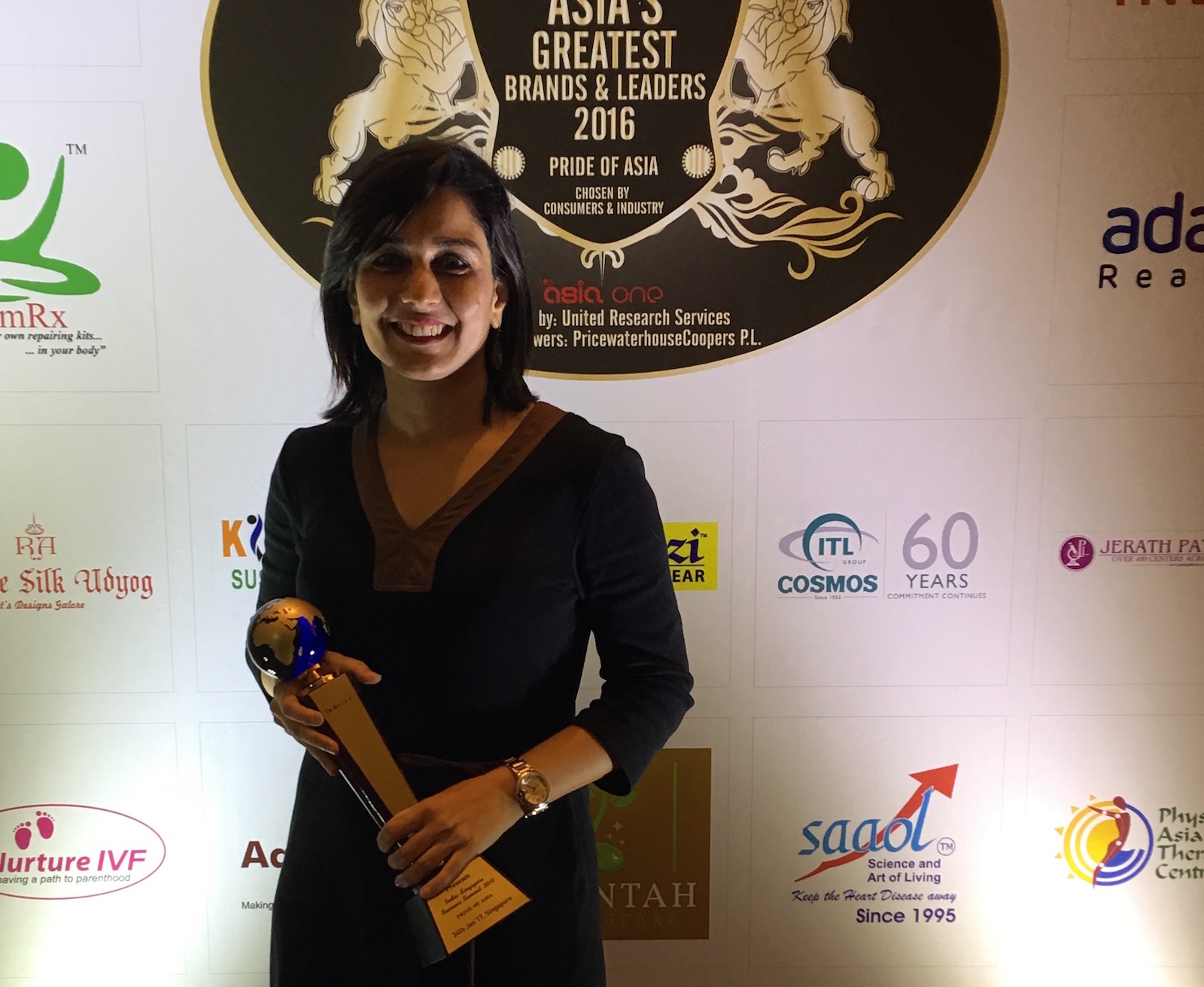


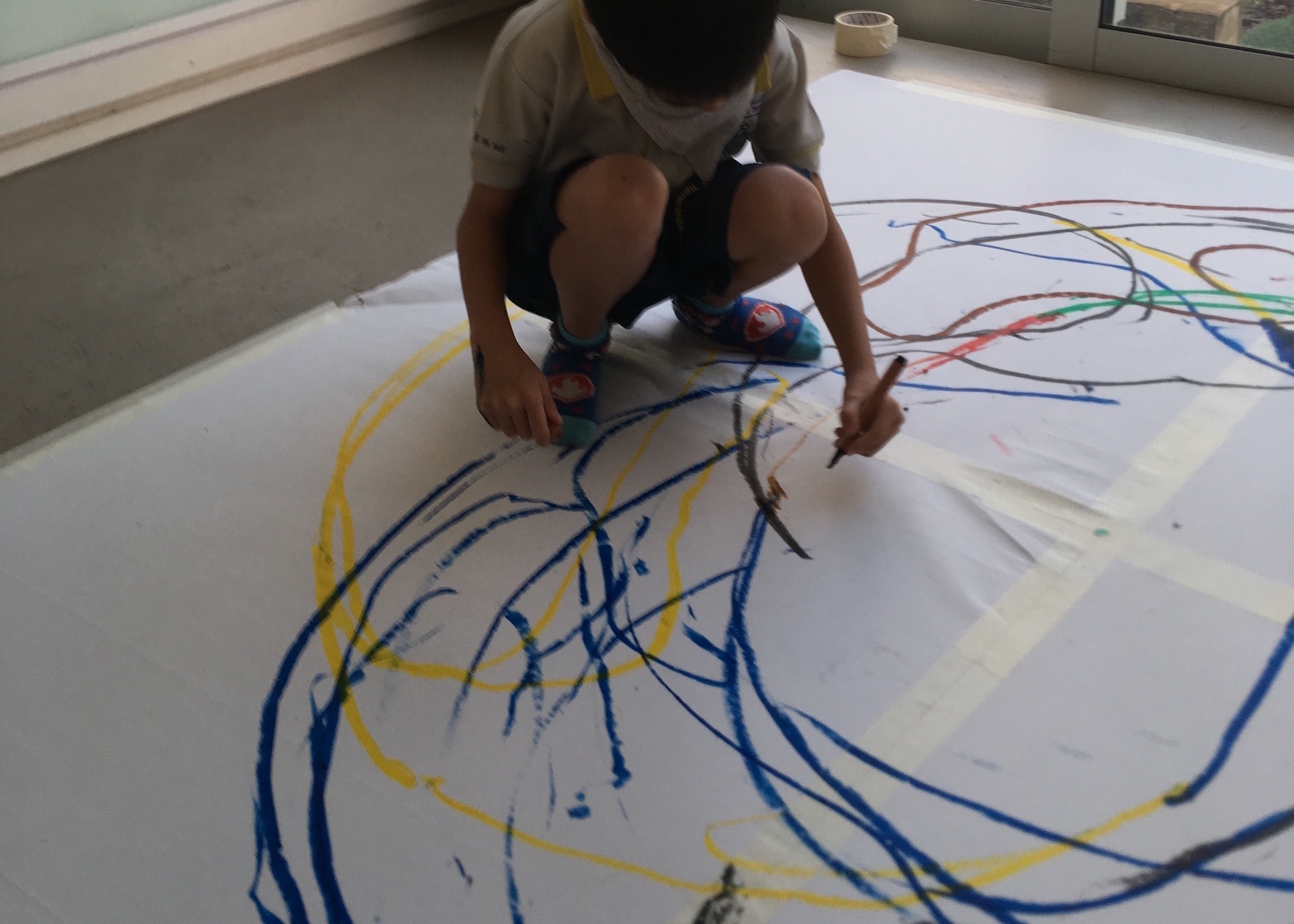


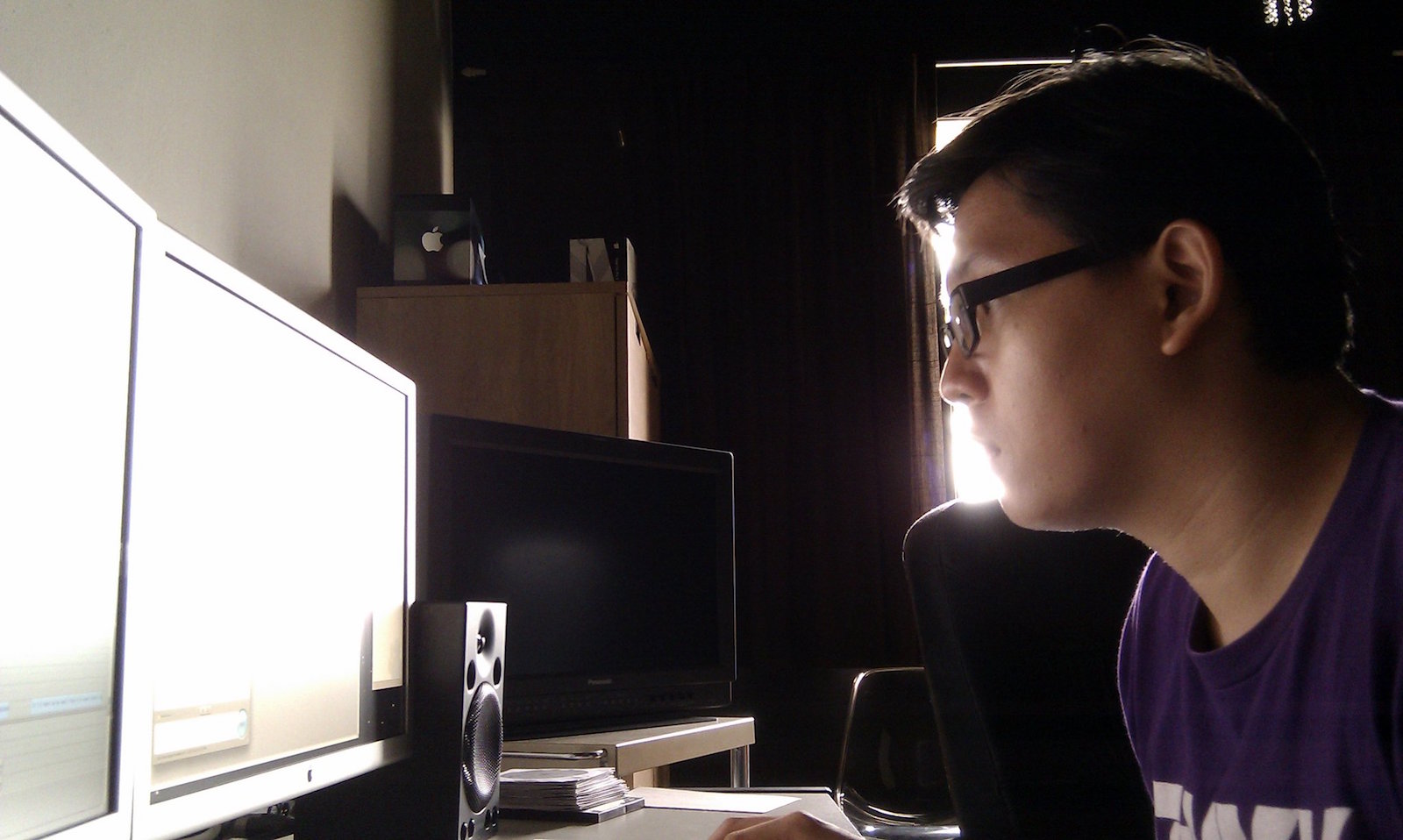


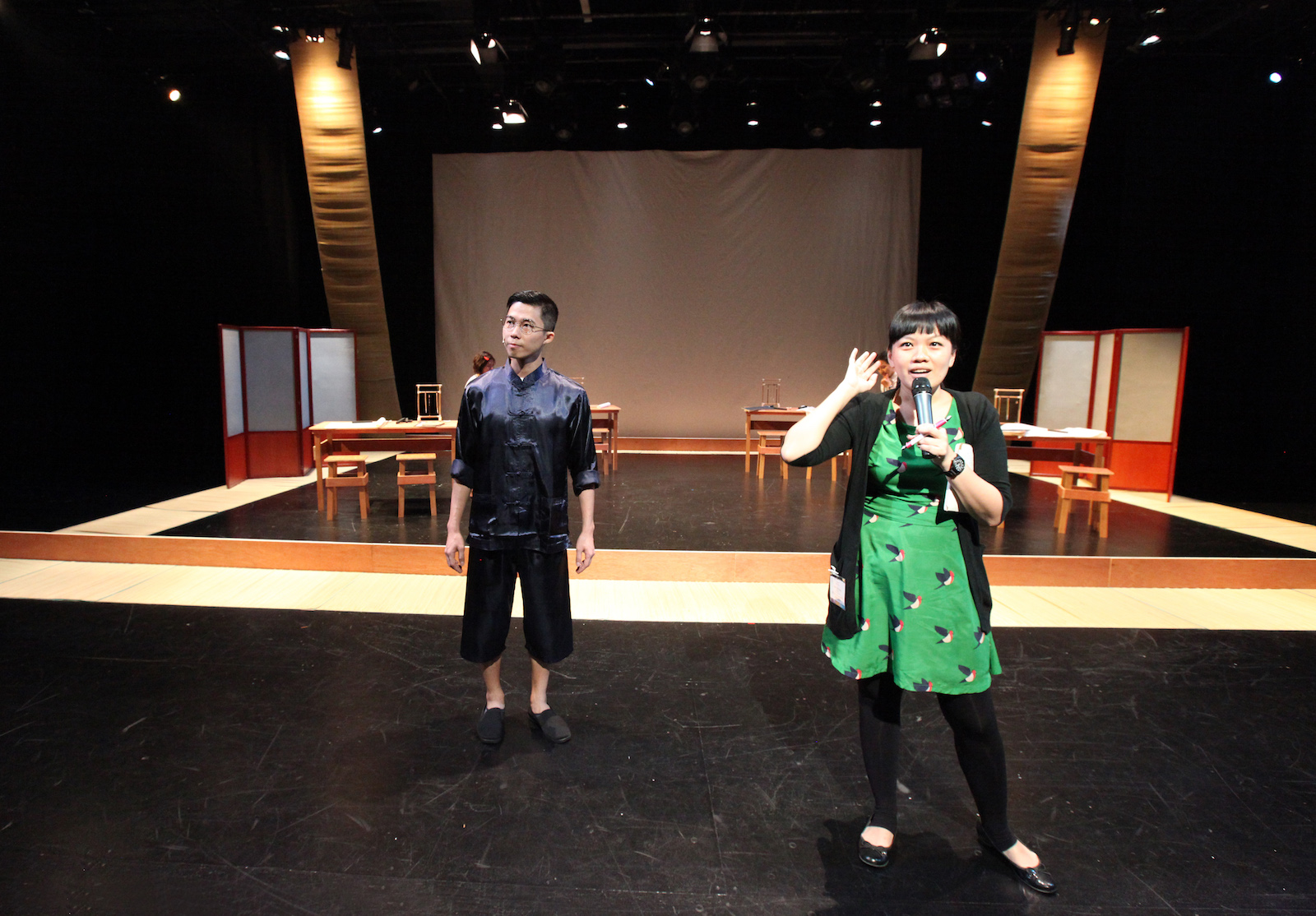


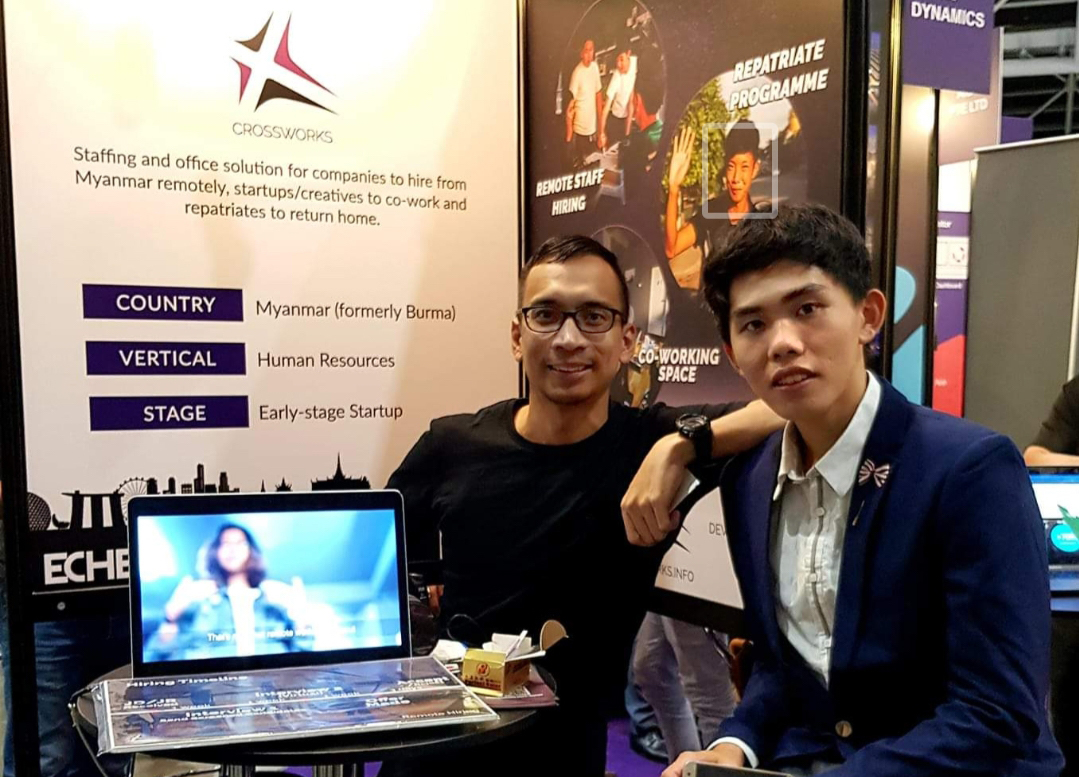


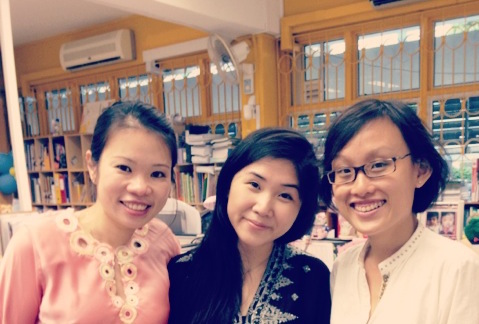


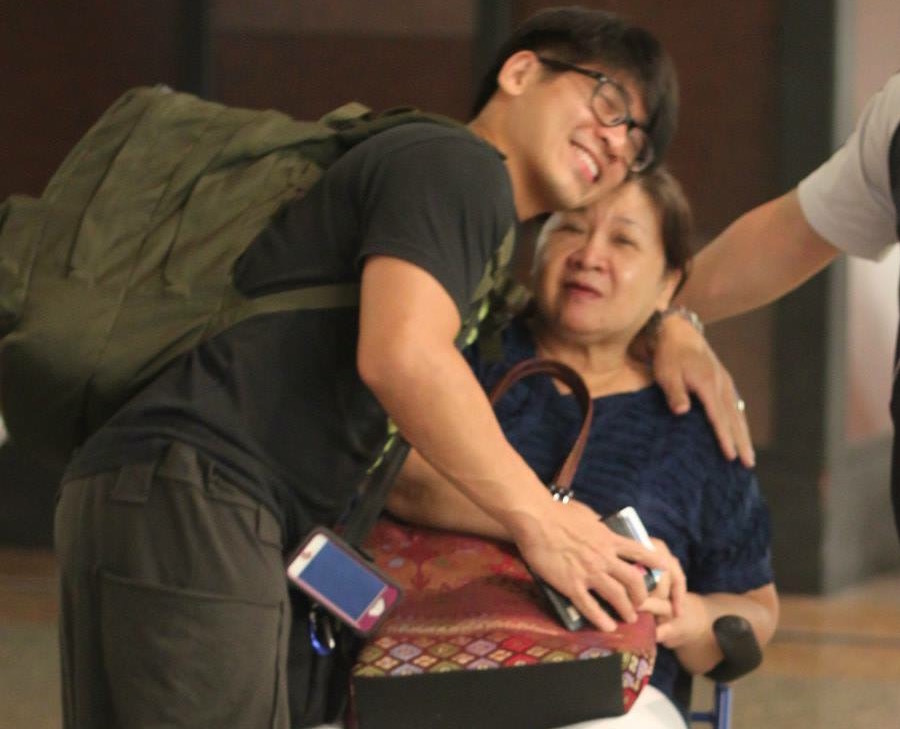

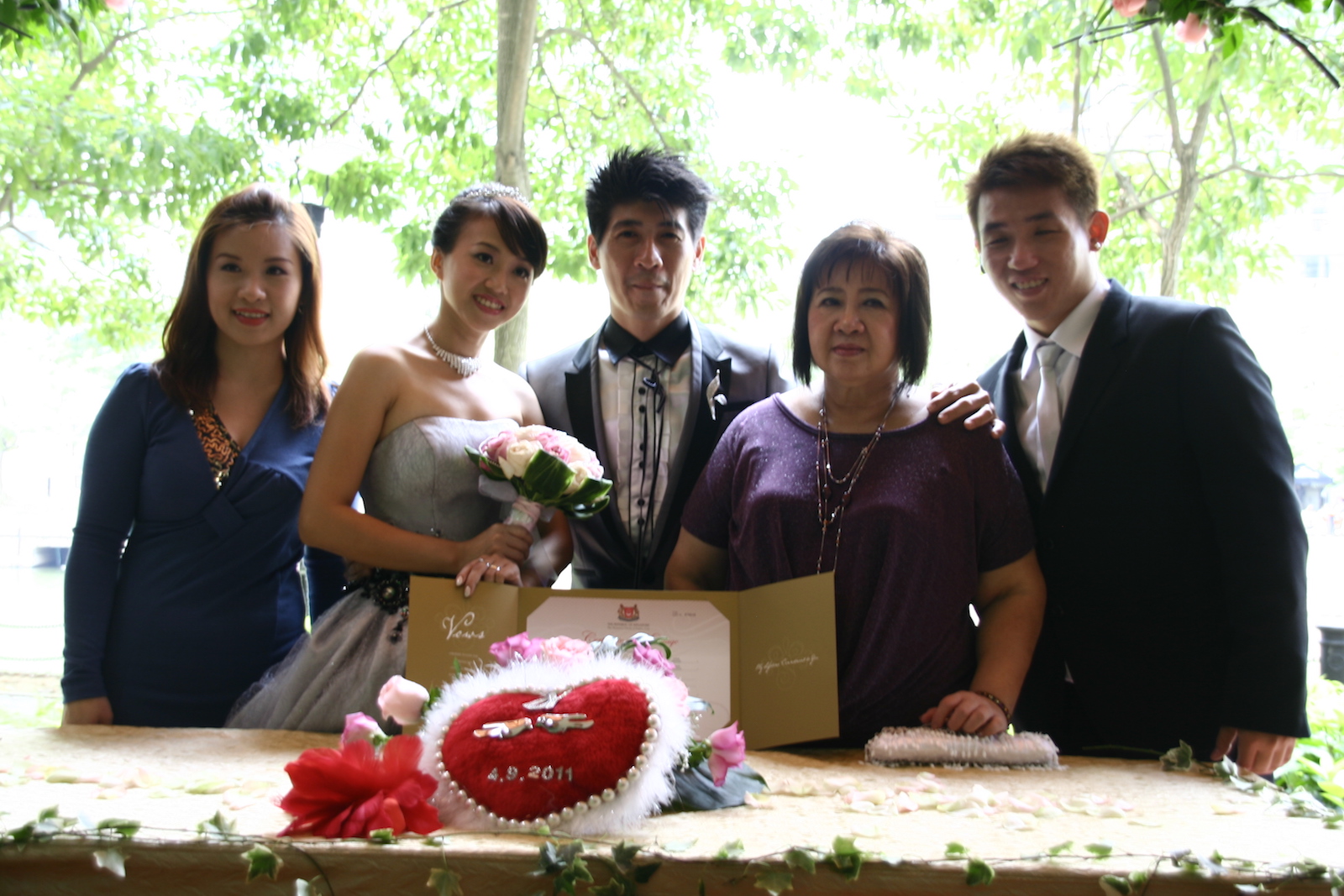


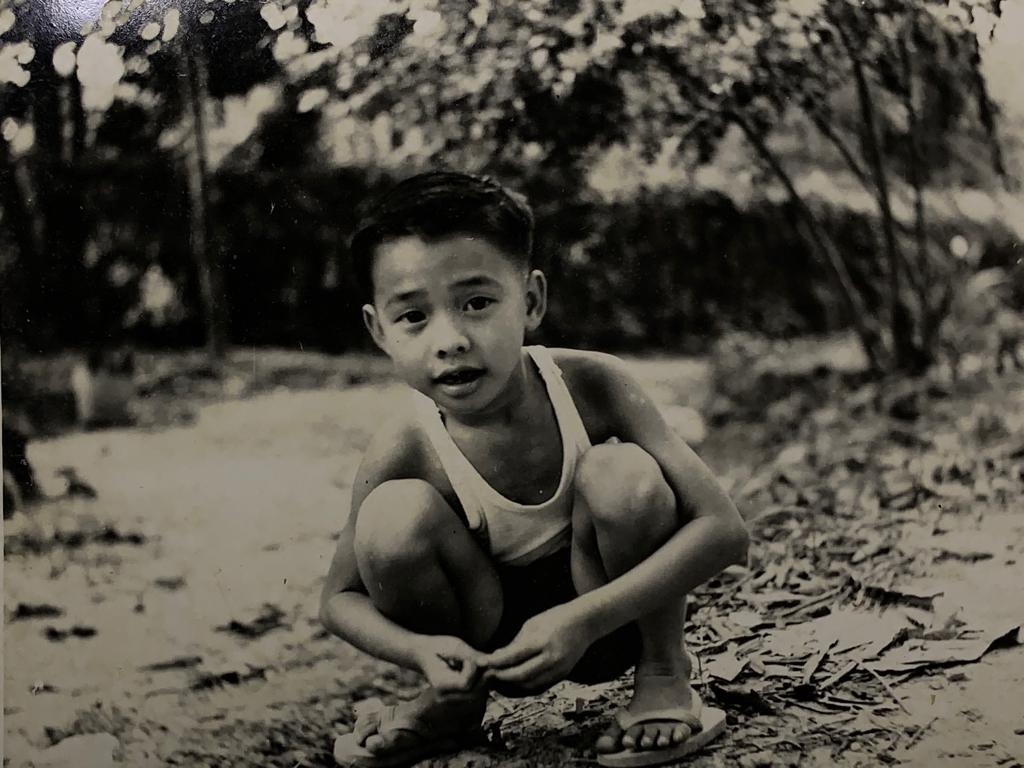


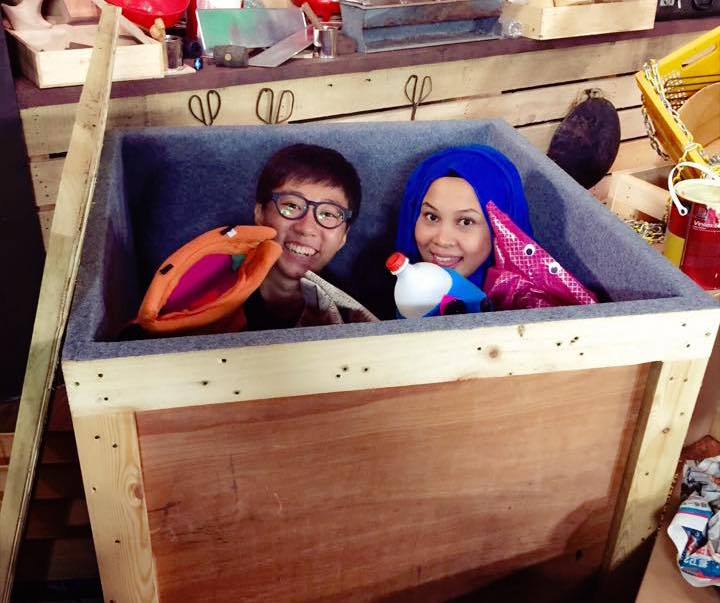

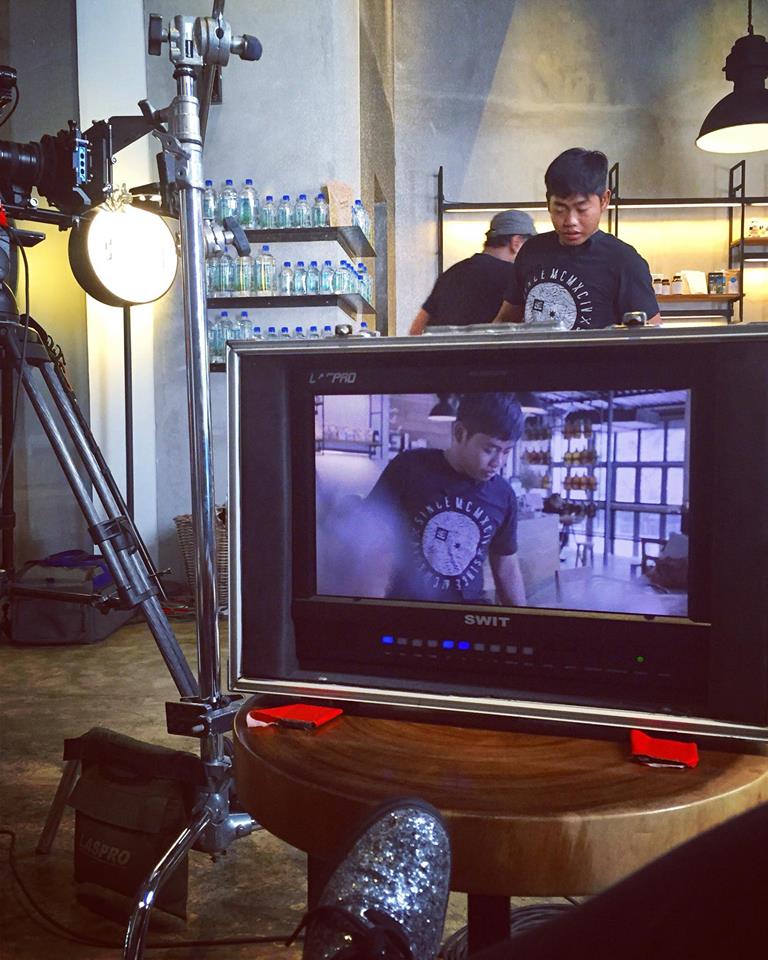











![The helmet Wing bought from a hardware shop on the Kowloon side before joining the protest because most shops on the protest side [the Hong Kong Island side] were closed and surrounded by police. "People only put on their helmets when it is about to be chaotic. If you wear a helmet in the MTR or in that area, you are more likely to be stopped by the police.”](https://i0.wp.com/luck-it.net/wp-content/uploads/2019/06/16m-3.jpg?resize=600%2C800&ssl=1)
