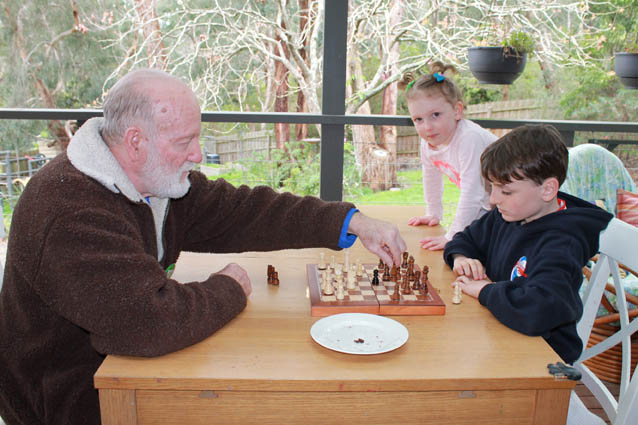
• “Charlie and Emily are not related to me, but are my grandbabies anyway.”

    What It’s Like Being Older Than 70

    Dr Bob Rich was born in Hungary then shoved past the ‘Iron Curtain’ as a child in the 1950s and ended up living in Australia. He’s since tried to be an Olympic distance runner, become a nurse, gotten a PHD in Psychology and is presently an author. We asked him for his thoughts on being older than 70. 

    “We are here as students: caterpillars munching on the green leaves of experience, until we graduate as butterflies.”

    Q: Hi Bob, thank you so much for being here with us. Could you tell us a little bit about yourself and how old you are now?

    A: You can be entertained, informed, inspired and probably outraged while finding out about me at my blog, Bobbing Around.

    As I say there, I have retired from 5 different occupations so far. Still going strong as a writer with 18 books published, an editor, and most important as a Professional Grandfather. This means two kinds of activities:
    1. Striving for a survivable future and one worth surviving in for all my grandchildren (any person born after 1993 qualifies as my grandchild, anywhere on the planet).
    2. Healing with words. Hundreds of people, mostly young, now live better lives because of our email exchanges. This is the gift that makes me resist wanting to jump off the planet when I look around at the criminal idiocy that’s been destroying everything.

    Oh, I have just attained the age of the magical number 77.

    “The ugly little kid no one could love, right?”
    “The ugly little kid no one could love, right?”

    How is your body different from what it was like at age 60?

    10 years younger.

    At that time, I was in unremitting 7 to 8 /10 pain that had gone on for some years. Then, (duh!) I had an X-ray done, and there was a stalactite growing in my right hip joint. Everything improved when I got a new hip installed.

    Mind you, that pain was useful, because it got me to deepen my meditation practice. If any of you readers experience chronic pain, let me tell you, the mindfulness approach works. I describe it in detail in my book on cancer, or look up “Jon Kabatt-Zinn” who is one of my heroes.

    “Part of a protest against Australia’s inhumane treatment of refugees.”
    “Part of a protest against Australia’s inhumane treatment of refugees.”

    What brings you joy these days?  

    A week ago, a young woman sent me a desperate email. Guilt and shame had torn her apart. Now she is working her way through my book on depression and has a positive view of herself and her world.

    And yesterday, when I was doing my exercises, I improved from 62 to 65 pushups.

    Which item, bought or received in the past year, has been most useful to you?

    I don’t go for stuff. I could live in a cave in the desert (as long as it had internet connection and room service).

    If I need something new, I’ll see if I can redefine the need into a want I can satisfy some other way. My wife and I have deliberately lived below the Australian poverty level since 1978. If you think that idiotic, please read my essay, “How to change the world”. Well, read it anyway.


    Also available at Amazon.sg

    LUCK-IT will earn a tiny commission when you purchase this product.

    What were you like as a young man? How have you changed since?

    I didn’t know it, but I was terribly depressed: just knew that I was ugly, and stupid, and no one could love me, and “if there is a wrong way of doing something, or even if there isn’t, I’ll do it that way first.” I also unknowingly suffered from post-traumatic stress disorder.

    I started doing therapy on myself at 21 years of age, though I didn’t realise I was doing that. Then for 20 years, I had depression under control. And at 43, I completely defeated it. Please read “The onion and the pearl”, a recent blog post that explains this.

    Which 3 people or things in your life are most important to you right now? 

    Only 3? There is my family, starting with wife, kids, grandkids, great-grandkids.

    Second are the children of my imagination: people who move into my computer, then come alive and dictate to me as I write fiction. One of them is the hero of a series, “The Doom Healer”. I’m working on the 5th volume when the world outside my computer allows me, while seeking a publisher wise enough to realise my young man will match Harry Potter.

    Third is my environmental and humanitarian campaigning.

    Is status important beyond age 70? What about wealth, knowledge acquisition, romance, birthdays and friendships? 

    I’ve never worried about status. As a young man, I realised that wealth can cost more than it’s worth. This is one of the things I’ve described in my novel, “Ascending Spiral”. It’s a good day when I learn something new: I am a learning addict. Romance? My wife would be VERY upset with me. Every day is a birthday. There is only NOW. The past is history, the future is a mystery. I give you a PRESENT.

    What regrets do you have?

    Being a human, on planet Earth. I explain this here.

    “Charlie and Emily are not related to me, but are my grandbabies anyway.”
    “Charlie and Emily are not related to me, but are my grandbabies anyway.”

    What do you think those not yet 70 should be doing while they still can?

    Before or after 70, realise that life has meaning. We are here as students: caterpillars munching on the green leaves of experience, until we graduate as butterflies. That’s when we learn the ultimate Lesson, which has been revealed by Confucius, the Buddha, Jesus, Gandhi, Martin Luther King, and lots of others. Read Corinthians 13. Whether we realise it or not, all of us are apprentice Buddhas.


    Also available at Amazon.sg

    LUCK-IT will earn a tiny commission when you purchase this product.

    Is there anybody you presently look up to, who you would like to learn from?

    The Dalai Lama, Pope Francis, Malala, Greta Thunberg, Leonardo di Caprio, the cat who owns my household, and every lovely baby I encounter.

    Lastly, do you think about death? And if so, what do you think of it? 

    Death doesn’t bother me. I often part with people by saying, “Have a good life!” If they return the wish, I explain that I already have, thank you.

    If I die today, fine. I have firm theories (based on what evidence is available) about what happens after death, and there is only one way of finding out if they are correct, right? And if I live another 20 years, fine.

    Death is not the end of a book, but the end of a chapter. Here is a little poem I wrote about it to console a grieving husband:

    She will return.
    Having lived the joys and agonies,
    ecstasies and sorrows of this life—
    to do better the next time around.
    Will her passing make you a better person,
    as her presence did, by your side?
    Her school is in recess for now,
    for she has passed, though our examination is still to come.
    She will return.

    Bob believes the planet is in its 6th major extinction event and is presently working to reduce and delay disaster while simultaneously promoting compassion, decency and cooperation through fiction. You can read more about him at his blog, bobrich18.wordpress.com, or chat with him using the comment box below (“I’ll be delighted to have a conversation with anyone who leaves a comment. After all, why should they take it with them?”). 

    If you would like to share your thoughts on being the age you are, do let us know here. Or read what it’s like to be a different age here

    You may also be interested in:
    What It’s Like Being Older Than 60
    What It’s Like Being Older Than 40

    Photographs courtesy and copyright of Dr Bob Rich. Interviewer: Sy
    Sponsor or support The Wisdom Of Old Age series here.
    If you found this article useful:


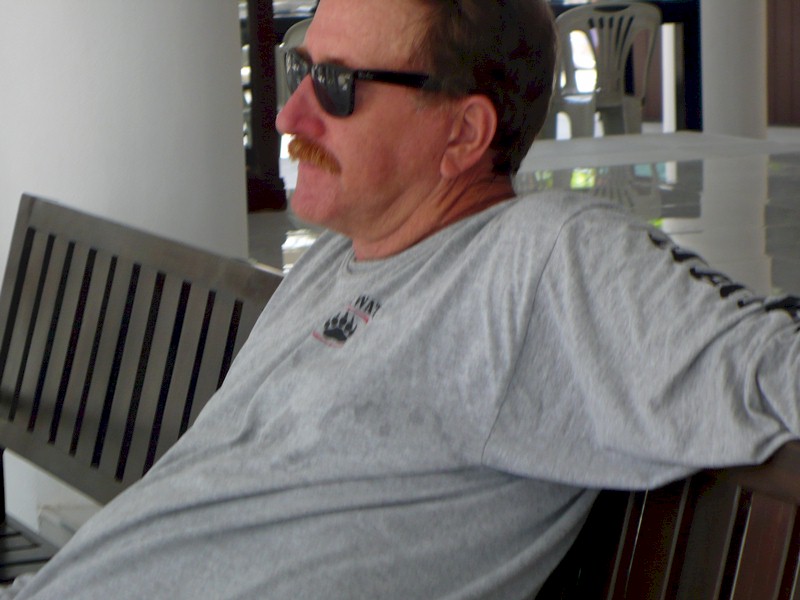
  • “Me taken in July 2018.”

    What It’s Like Being Older Than 60

    At age 21, Simon Templar from the US set out to make enough money to retire before his 60th birthday. 4 decades later, he’s done that and now lives in Chiang Rai, Thailand. We asked him what’s next. 

    “I don’t fight as easily or as often as I used to.”

    Q: Hi Simon, thank you so much for being here with us. Could you tell us a little bit about yourself and how old you are now?

    A: I am a retired US Marine. I was an infantry officer and served from 1985-2010.

    “Pic of me and bro's when little.”
    “Pic of me and bro’s when little.”

    What are your current daily and weekly routines like?

    I work in the mornings and play golf or something in the afternoons.  Wednesday nights I go see a movie because I am “Cheap Charlie” and the ticket is only 100 baht.

    How is your body different from what it was like at age 50?

    12 years older. I broke my leg at the ankle and had to learn how to walk again after it finally healed.

    “Me with 70's porn star moustache.”
    “Me with 70’s porn star moustache.”

    What brings you joy these days?  

    Helping good people and making the occasional birdie. Pars are nice too.

    Which item, bought or received in the past year, has been most useful to you?

    My first set of fitted golf clubs.


    Also available at Amazon.sg

    LUCK-IT will earn a tiny commission when you purchase this product.

    What were you like as a young adult and how have you changed since?

    I was very intense. I don’t fight as easily or as often as I used to.

    Can you list 3 things you realised or learned only after age 60 that you didn’t know before? 

    A girl does not have to be a supermodel to be a super girlfriend. The best way to save money is to not waste it. Love is what ties it all together and makes the world go round.

    Which 3 people or things in your life are most important to you right now? 

    The pursuit of the truth. Lending a helping hand to people who have had a lot of bad luck through no fault of their own. Making more money so I can give more of it away.

    “Me after Infantry Officers Course in the field training my rifle platoon. Actually I was relaxing in this moment.”
    “Me after Infantry Officers Course in the field training my rifle platoon. Actually I was relaxing in this moment.”

    Is status important beyond age 60? What about wealth, knowledge acquisition, romance, birthdays and friendships? 

    Social status is always important but it is earned not purchased. Wealth is dandy because it gives one options/choices. Knowledge is not the only thing in life. It is the only thing. Romance never gets old or dull. Birthdays are no longer wonderful at some point in everyone’s life. Friendships should be maintained. Thanks to the connectivity provided by the internet, friends for life is more possible than before.  

    What regrets do you have?

    I drank too much and that eventually scared off some super women that wanted to be with me.

    “Me taken in July 2018.”
    “Me taken in July 2018.”

    What do you think those not yet 60 should be doing while they still can?

    Making hay while the sun shines.


    Also available at Amazon.sg

    LUCK-IT will earn a tiny commission when you purchase this product.

    Is there anybody you presently look up to, who you would like to learn from?

    I like President Trump. I would like to sit at and learn from Jesus Christ, but that would require either time travel or some other type of miracle.

    Lastly, do you think about death? And if so, what do you think of it? 

    I hope it comes upon me quickly but not while I am in good health, mentally and physically. I never worried much about death and try not to think about it too much other than doing common sense things such as estate planning and having a final will and testament.

    Simon is presently looking to fall in love and going on as many dates as possible in order to achieve that. You can find him out and about Chiang Rai, at his blog, inuinoueritashome.wordpress.com, or ask him where he’s at using the comment box below. You can also check out the Northern Thailand Christian Orphanage he supports here

    If you would like to share your thoughts on being the age you are, do let us know here. Or read what it’s like to be a different age here

    You may also be interested in:
    What It’s Like Being Older Than 30
    What It’s Like Being Older Than 40

    Photographs courtesy and copyright of Simon Templar. Interviewer: Sy
    Sponsor or support The Wisdom Of Old Age series here.
    If you found this article useful:

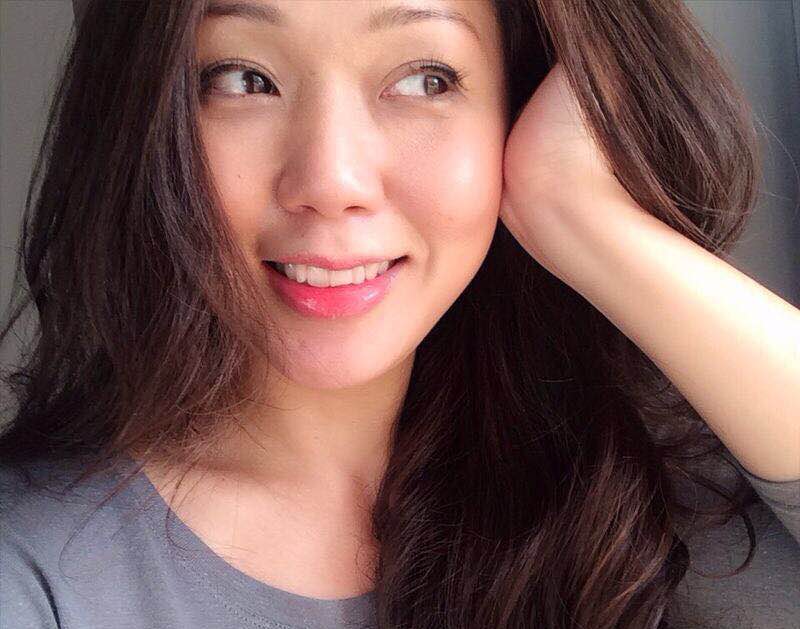
  • What It’s Like Being Older Than 40

    Leanne is a popular beauty Instagrammer in her 40s and a mum of 2 teen boys. We asked her what it’s like being older than 40 and learned about the importance of self-care and self-love. 

    “At age 45 or so, weight control became challenging.”

    Q: Hi Leanne, thank you so much for being here with us. Could you tell us a little bit about yourself and how old you are now?

    A: Thanks for having me. I am a mom of 2 boys (19 & 15) and I will be turning 48 this July.

    Leanne in her 20s.
    Leanne in her 20s.

    What are your current daily and weekly routines like?

    My day revolves around my family, friends and work. As the boys grow older, I’m beginning to have more time for myself. I indulge a little bit more on my hobby in photo-taking, spending longer time for skincare and taking more coffee breaks during work. I start my day at about 5am to prepare my son for school and a round of skincare (daily masking) before the morning nap at 7-9. Thereafter, work starts and there will be breaks (IG, tea time, meet-ups) in between. I’ll hit the gym or do brisk walking in the park at 5pm. Followed by dinner before 8pm and a bedtime massage for my son (for his tired legs instead of story time). I have a weekly date night with hubby and look forward to my elder son returning home from the army every weekend. Lots of cooking and baking at home but on Sundays, a visit to our favourite Italian restaurant after church is a must.

    How is your body different from what it was like at age 30?

    In my case, more obvious changes are on the face at age 30. In my mid-30s, the eyelids began to feel heavier and maintaining the V-shape face and skin-firming became harder. Physical changes got more apparent as I entered my 40s. And at age 45 or so, weight control became challenging with the need for stricter diets and exercise.

    Leanne in her late 20s.
    Leanne in her late 20s.

    What brings you joy these days?  

    Many things. Calming scents & kind gestures, a good conversation, a hello from an old friend or a poem that speaks to me. Family gatherings or meet-ups with friends. Coffee and tea, sunrise and sunsets. And weight loss, haha! It always makes me smile. 

    Which item, bought or received in the past year, has been most useful to you?

    Contour stick—it becomes your best friend as you age, one that helps you slim down instantly and define your face shape better despite the “less firm” skin. 


    Also available at Amazon.sg

    LUCK-IT will earn a tiny commission when you purchase this product.

    Can you list 3 things you realised or learned only after age 40 that you didn’t know before?

    That beauty transcends time and age. It doesn’t stop at “youth”. It is not that scary after all. Know that there’s so much in us, so much we can give at every stage of our lives. And that, makes us beautiful. 

    Which 3 people or things in your life are most important to you right now? 

    My family and friends.

    Leanne in her early 40s.
    Leanne in her early 40s.

    What regrets do you have?

    None I suppose because it’s never really about making the right or wrong choices but rather, make your choices right [for you]. 

    They happened for a reason. It made me the person I am now. 

    Leanne aged 47.
    Leanne aged 47.

    What do you think those not yet 40 should be doing while they still can?

    I thought about this question really hard but there’s nothing that I can list. At 40, I believe you still can do anything you set your heart to achieve. But in terms of things you should start young, it’s to have self-love, practice self-care and create memories. Take good care of your skin (especially eye cream), establish your beauty space and routine, work smart but not short-cuts, cherish moments and forgive your mistakes, don’t be too hard on yourself.


    Also available at Amazon.sg

    LUCK-IT will earn a tiny commission when you purchase this product.

    Lastly, do you think about death? And if so, what do you think of it? 

    ‘The afternoon knows what the morning never suspected.’Robert Frost. I see youth as morning, middle age as afternoon who is a little wiser than morning and when death comes like night fall, we watch the stars twinkle. 

    At the point of this interview, Leanne hoped to be able to take a year off to go visit another country, “travel with my camera and take time to appreciate the beauty that surrounds us”. We cannot say when she will be able to do that with the pandemic going on but you can find out when she does by following her on Instagram or asking her using the comment box below.  

    If you would like to share your thoughts on being the age you are, do let us know here. Or read what it’s like to be a different age here

    You may also be interested in:
    What It’s Like Being Older Than 30
    What It’s Like Being Older Than 20

    Photographs courtesy and copyright of Leanne. Interviewer: Sy
    Sponsor or support The Wisdom Of Old Age series here.
    If you found this article useful:


  • What It’s Like Being Older Than 20

    As a teenager, Cho Jun Ming was considered a youth-at-risk—going in and out of police stations multiple times and breaking enough rules for his teachers and principals to give up on him. Past age 20 however, he changed and is now a man on a mission to affect positive change through film-making. We asked him what changed and were surprised to hear him advocating the importance of getting good grades in school. 

    Disclaimer: LUCK-IT will earn a tiny commission when you purchase any of the Amazon products on this page.

    “Wealth is definitely very important because to do anything that you want you definitely need money.”

    Q: Hi Jun Ming! Could you tell us a little bit about yourself and how old you are now?

    A: Hi, I’m 24 this year. I’m an independent self-taught film-maker. I usually make films that inculcate social values and make a positive change to society. For example: Anti-drugs, anti-suicide, anti-depression, chasing dreams, cherishing lives and other societal issues. 


    Also available at Amazon.sg

    What are your current daily and weekly routines like?

    I am right now serving my National Service [compulsory for all Singaporean males older than 16.5 years of age] and I do army media work. So Monday-Friday, during normal office hours, I’ll work till 5, and during the weekends I’ll do my own writing—films, story ideas writing—and production schedules. 

    How is your body different from what it was like at age 10?

    Aged 10, I was more hyper-active, more energised. Because I’m actually a person suffering from ADHD, at the age of 10 I was super energetic and had good stamina. But right now it has deteriorated so I’m less active.

    Jun Ming graduating from Kindergarten.
    Jun Ming graduating from Kindergarten.

    What brings you joy these days?  

    I think that to be able to help people overcome their negative thoughts and their setbacks brings me joy because I came from a background where not everything is as simple as it seems and I’ve had to climb very hard in my film-making journey. So I understand those who are struggling with their lives, or who are at their lowest point of their lives. Helping them brings me joy. 

    Which item, bought or received in the past year, has been most useful to you?

    I think it is my dad’s jacket. Because before he passed on, he didn’t pass me anything except for this jacket which he wore during his younger days. So this jacket actually brings me motivation and tells me that I need to keep on working hard, not just for myself but for him as well.  


    Also available at Amazon.sg

    What were you like as a kid and how have you changed since?

    As a kid I was very rebellious. Just like most kids I didn’t cherish my parents well. And as an only son, I got mixed up with a group of friends who were not exactly negative but interesting people with stories of their own. So I grew up in an environment different from my peers in a bad way but that bad way actually taught me a lot of knowledge and gave me experiences. 


    Also available at Amazon.sg

    Can you list 3 things you realised or learned only after age 20 that you didn’t know before? 

    The first would be to plan ahead. I think planning ahead is very important—though most young people only look at the current and don’t look ahead much. 

    Second would be to have faith. Faith in others. As long as you show them you have the ability to work hard and be determined to do your own things, people will eventually help you. 

    The third would be family love. Because I lost my dad, I’m full of regrets now that I want to cherish him but I don’t have any chances left.   

    Which 3 people or things in your life are most important to you right now? 

    The first would be my passion—my passion in film-making. Because I always believe film can create positive change for society and is a universal language that connects the storyteller to the audience. 

    The second would be my father because he’s a very calm person and whenever I did something wrong he wouldn’t try to beat me or scold me, he just taught me about the do’s and don’ts. I didn’t see that when I was young but now that he’s gone I’m starting to reflect back and starting to miss him. 

    The third would be not a thing or person but the opportunity to be able to help those who are in need because I believe there are more people troubled right now. 


    Also available at Amazon.sg

    How important is status at age 20? What about wealth, knowledge acquisition, romance, birthdays and friendships? 

    Wealth is definitely very important because to do anything that you want you definitely need money. And I think knowledge is important because if you have the right knowledge, then your path will be a better one—the way you carve your path in the future will be a better one. And as for romance, to be honest, I agree with the people who say that you should have your career stabilise first before you find your life partner. Just let nature flow. Birthdays… if you’re happy then everyday will be your birthday. Friendships are very, very important. I think you should have a strong bond of friendship, brotherhood, so you should lend a helping hand in the future. 

    What regrets do you have?

    My regret would be not studying hard. I have a passion for films but because of my poor N-Level results I was unable to get into film school—I was rejected 3 times. So I now think academics really play a very important role. 

    Jun Ming now.
    Jun Ming now.

    What do you think those not yet 20 should be doing while they still can?

    I think that they should try to play less and try to reflect on what they are about to do in the future—about how they can contribute to society in a better way. 

    Is there anybody you presently look up to, who you would like to learn from?

    I will just name 1: M. Night Shyamalan, the director of Glass, Split and The Sixth Sense. I would like to learn about his storytelling style and his directing style. 

    Lastly, do you think about death? And if so, what do you think of it? 

    Currently, no. But after my dad’s passing I actually fell into a severe depression and from there, I really thought about death every day. What I think about death is that life is very meaningless if you don’t know what to do with it in the next 10 or 20 or 50 years. So at that moment, when I really didn’t know what I was doing, I thought of ending my life by either jumping down or over-dosing on medication. Which I did. I attempted both but I failed.  

    Jun Ming has, fortunately, finally gotten into film school which he will start in August this year. Once that is over, he hopes to be able to make films that represent Singapore and get those films into international film festivals. You can follow his updates on his Facebook page or exchange words with him using the comment box below. (Fun fact: He’s single and has never been in a relationship before!) Next time we talk with him, we’ll be asking how he got over losing his dad at a young age. Stay tuned. 

    If you would like to share your thoughts on being the age you are, do let us know here. Or read what it’s like to be a different age here

    You may also be interested in:
    What It’s Like Being Older Than 30
    What It’s Like Being Older Than 40

    Photographs courtesy and copyright of Cho Jun Ming. Interviewer: Sy
    Sponsor or support The Wisdom Of Old Age series here.
    If you found this article useful:


  • COVID-19 Diaries: What It’s Like Being In Lockdown In Italy, 109 Days In

    Eleonora is from Milan, capital of the Lombardy region in Italy that has been hardest hit by COVID-19. She told us about the restrictions presently surrounding her, 8,684km away from Wuhan, China, and that nobody in Italy really knows how the first few Italian locals got infected. 

    “It all happened through social interaction.”

    Q: Hi Eleonora, thanks for speaking with us all the way from Italy! When did you first hear about the 2019-nCoV novel coronavirus and what did you think of it then?

    A: Hi Sara, thank you for hosting me first of all. I first heard about novel coronavirus back in January when the news was reporting what was happening in Wuhan but honestly, I did not pay too much attention to it at the beginning as it was happening far away. I was following the situation, although with a certain detachment.  

    Only later, on January 31 when, as a consequence of two Chinese tourists being hospitalised in Rome, the Italian Government declared the state of emergency, stopping all direct flights from China, did I realise how serious the situation was getting. 

    Yet life here (I live in Milan) was running as usual. Then, on February 21, the first Italian case was announced and everything changed.

    How concerned are you and the people of Italy now? How many are infected or dead because of the virus in Italy at the moment of this interview? 

    I am very concerned actually as there are many people infected in Italy, yet there is part of the population either in denial or minimising the seriousness of it as well as minimising the dangerousness of this virus.

    As per last night, the data is dramatic: The total number of cases of contagion is 35,713. A number that includes the 28,710 people currently positive (a 2648 increase in the number of people currently positive from the day before), the 4,025 patients cured and the 2,978 people who died.

    To date, there are 14,363 patients with related SARS-CoV-2 symptoms, 2,257 patients in intensive care, and 12,090 in home isolation. There have been 165,541 swabs carried out in Italy since the beginning of the epidemic. 475 people died in the last 24 hours

    Who were the first few coronavirus infected people in Italy and where did they contract COVID-19 from? 

    Patient 1 was a 38-year-old sportsman from Codogno, a small village 60km away from Milan. His wife was found positive too, as well as many of the people who had been with him in the ER waiting room. It is not clear how he contracted the virus. 

    According to research by the well-known virologist Professor Massimo Galli, the entry of the new coronavirus in Italy dates back to January 25. COVID-19 began to circulate on our territory on that very day from the Codogno area.

    Just 3 days earlier, the virus was isolated in Germany from a German manager infected by a Chinese colleague from Shanghai. The German strain turned out to be very similar to that of the one in Codogno.

    How did most people in Italy contract COVID-19? Can you tell us about the biggest clusters and how those happened? 

    It all happened through social interaction. First cluster, as said, happened in Codogno. The guy used to run in a team and play soccer. When what he thought was a simple flu started worsening, he went to the ER. Once there, he sat in the waiting room with many other people, probably for hours.

    Another cluster, though a smaller one, started in Vo’ Euganeo, a small village near Padua; it is not clear if any of the people who came out to be positive to the virus there came into contact with people in the Codogno area.

    At the moment, Bergamo and Brescia are the cities with the most cases which makes Lombardy the most hit region in Italy.

    What measures has the government of Italy imposed to keep the COVID-19 outbreak under control? We know the whole of Italy is in lockdown but what does that really mean? What can’t you do and what must you do?

    On February 22, the Italian Council of Ministers announced a new decree law to contain the epidemic, which provided for the quarantine of over 50,000 people from 11 different municipalities in northern Italy, including Codogno. The area was named the Red Zone. No one was allowed to leave those cities or enter them. Mandatory quarantine was imposed at their homes with permission to leave only for food and pharmaceutical shopping and with the obligation to wear protective masks. All for the duration of 14 days. Police officers were placed on guard. The penalties for violation of the blockade ranged from 206 euros fine up to 3 months imprisonment.

    On March 7, as the virus kept spreading, the lockdown was extended to all Lombardy (schools and universities, together with gyms had been closed 2 weeks earlier) and 2 days later all of the peninsula got included.

    Only food stores and pharmacies have been allowed to stay open since then; access to these stores is limited to allow at least 1 metre distance from one another. Face masks are highly recommended.

    We cannot leave our houses unless we have to go to work, to the supermarket or pharmacy, or if we have to, for example, assist relatives in need. When leaving our house, we have to fill in certification to be shown to the policemen patrolling the streets. If they determine that you made a false statement then you risk being reported for epidemic spread.

    The Government has also launched a series of economic interventions to support citizens who are unable to work and therefore do not have an income.

    How effective do you think the above measures have been in stopping the spread of the virus? What was done well and what could have been done better? 

    The more the population respects the lockdown and stays at home, the faster the virus will stop spreading. This is the only way to defeat this invisible enemy.

    The death rate of novel coronavirus infected patients in Italy is higher than most other countries. Why do you think that is the case? 

    There are different reasons why this is happening: Italy has the oldest population in Europe and as you know the virus is more aggressive on older people. And we have a population density of 200 per square meter.

    What is the status of food, water and medical supplies in Italy right now? Are there any shortages? What is the plan for those shortages if so?

    When the first restrictions were announced, people freaked out and emptied most supermarkets, but we have never experienced a shortage of any kind except for face masks and sanitising hand gels. Police are checking on people who are trying to exploit the situation and sell those items for more.

    Have you and those around you done anything to prepare for the possibility that the novel coronavirus pandemic might get worse?

    I am one of the lucky ones; I can work from home and study to keep myself busy. I stay inside and respect the rules. My mother, who is 77 and lives with me, has a series of pre-conditions and I must protect her.

    How has the COVID-19 pandemic affected your life and that of those around you?

    I cannot see my friends and family members as all kinds of social gathering is banned and it is hard, yet to avoid kissing or hugging my own mother is even harder; as said she is a fragile individual and I must prevent her from getting sick. Thank God we have all the means to reach faraway people and talk to them whenever we desire it.

    What will you do if you or those who live with you develop symptoms of the virus? What do the authorities of Italy want you to do?

    I would isolate myself to protect my mother who lives with me. We are asked to call some designated numbers if we have a temperature equal or higher than 37.5 degrees Celsius and a cough in order to inform the healthcare system. They would send people out to test your suspected positivity with the virus and evaluate if you need to be hospitalised or, if you only have mild symptoms, can take care of yourself at home though in isolation.

    If you did contract COVID-19, what do you think your odds of surviving it are and why do you think so? 

    The official death rate in my age range (I am 45) is 0.4%. I refer to it even if there are people in the same range who ended up in IC and needed to be intubated, as it happened to Patient 1.

    When do you think this COVID-19 pandemic will end and why do you think so? 

    I really cannot answer this question. The situation is getting worse and worse everywhere except for China which has inverted the contagion curve after its government took drastic measures. It will take months for sure and hopefully a vaccine will be ready soon.

    What are the best and worst examples of humanity you’ve seen since the COVID-19 crisis broke out?

    Best examples are younger people offering to buy food supplies for more fragile people in their buildings and help them with whatever they may need. I also really appreciated China helping us by sending medical supplies and doctors to help us in our fight against the virus.

    Worst probably Germany and other European countries retaining the masks stocks we order from abroad. They knew how much we need them, yet they tried to keep them for themselves. EU had to intervene, threatening to sanction them.

    Which 3 items or people are most useful for you right now? 

    Face protective masks, glasses and gloves. 

    Where are you answering this Q&A from? Can you describe the situation in your neighborhood right now?

    I am answering these questions from my apartment in Milan. I live in quite a central area and my neighbourhood is usually very lively. At the moment, it is absolutely silent and quiet. You only see people quickly walking their dogs and a car passing by once in a while.

    Lastly, what have you learned from this novel coronavirus outbreak that you didn’t know before?

    I am learning not to take things for granted. Your life may change drastically in matter of hours.

    Eleonora is presently working for the Italian association of financial markets professionals and also studying to become an English teacher. “I was supposed to start a course at the end of February but due to this situation it is now postponed to June; I am crossing my fingers.” She had to can her plans to visit friends in the Netherlands, UK and USA when the virus started and hopes to be able to resume travelling again at some point. You can read more about her documentation of her COVID-19 experience on her blog livinghardtimes.wordpress.com or ask her for updates on the situation in Italy by using the comment box below. 

    Tomorrow, we speak with a university student in Indonesia who has only just learned to wash her hands properly, thanks to COVID-19. Follow the latest in our COVID-19 Diaries series here.

    If you’re in a country that has been affected by the novel coronavirus and would like to share information about the situation where you’re at, do get in touch with us here.

    Photographs courtesy and copyright of MLWatts. Interviewer: Sy
    Sponsor or support the COVID-19 Diaries series here.
    If you found this article useful:


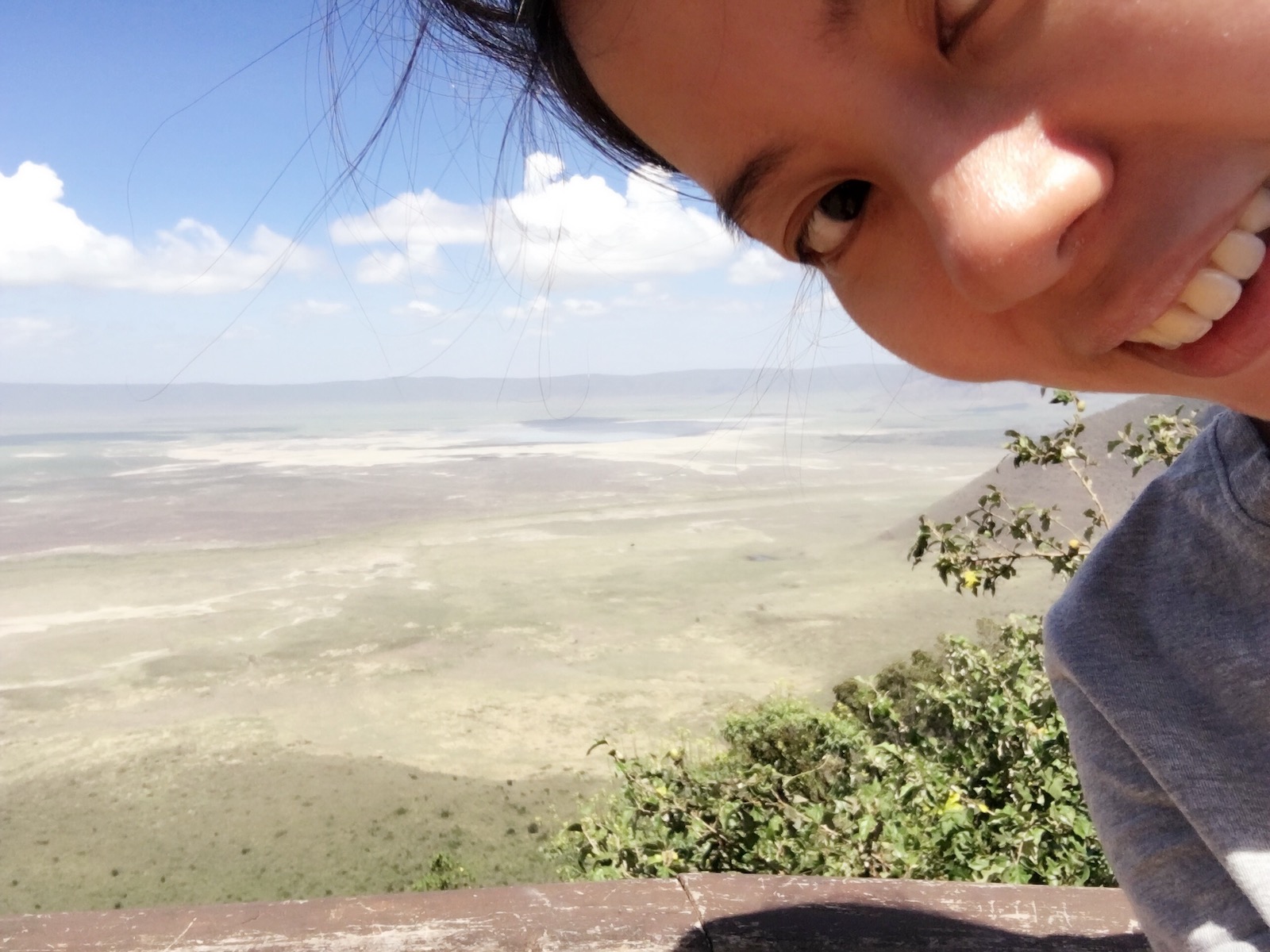
  • “Me aged 34, looking out at the Ngorongoro Crater in Tanzania where the oldest human fossil, ‘Lucy’, was found.”

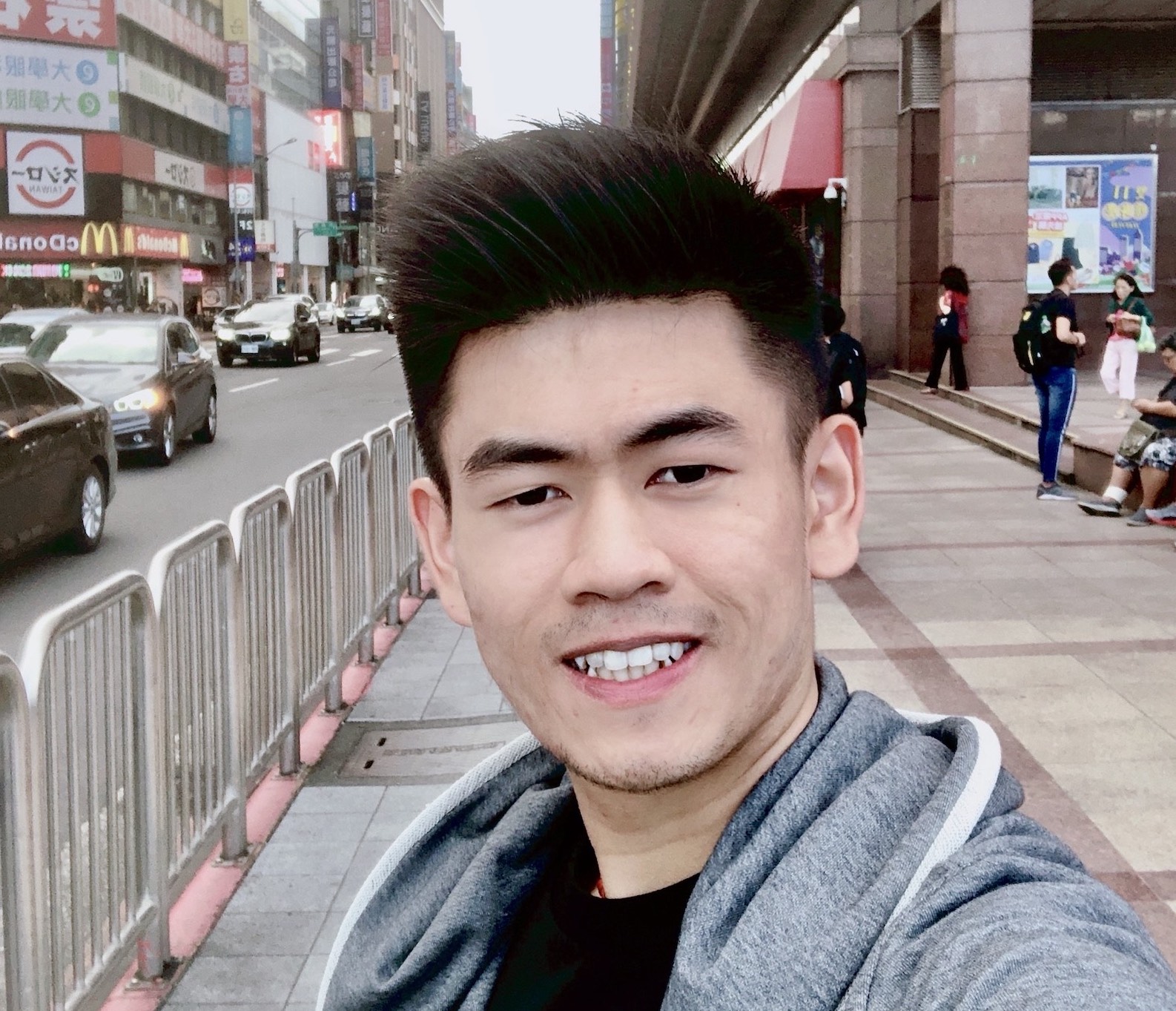
    What It’s Like Being Older Than 30

    Hello, I’m Sy, founder and chief of editorials at LUCK-IT. Once a year, I do a self-interview to test out the interview system and refine the process for our interviewees. This is my system test for 2020 and the start of a new series we’ll be running throughout the year called ‘The Wisdom of Old Age’—about what life is like at every decade, told by those who are living it. It is also a (rare) way for you to learn that little bit more about me. Please enjoy.

    “’Adults’ don’t really know what they’re doing with their lives either.”

    Q: Could you tell us a little bit about yourself and how old you are now?

    A: I’m 36 at the moment of this interview. And am presently a digital solopreneur and creator of 2 brands, who wants to be a proper entrepreneur like everybody else one day. 

    What are your current daily and weekly routines like?

    I work from 9-5:30 on weekdays with a 2-hour break for lunch from 1-3pm. At least in theory. In reality, it always varies, often longer, sometimes less. Because I have 2 different brands that I’m trying to grow concurrently (against the advice of a wise man who tried but failed to convince me I won’t succeed doing 2 things at one go), I’m either splitting my day into 2 or splitting my month into 2, depending on where I’m at on each of my projects. 

    I start all work days with fruit and an 8-min run, and end my day with a home-brew toning routine I crafted for myself and a 3.6km walk when possible. Evenings are for socialising and chores. Before bed, I will journal and read either online articles or books or watch something.

    On weekends, I either go out and interact with the world and its offerings or read, watch stuff and game at home. And of course, there are more chores. I wish I didn’t have to do so much chores. 

    How is your body different from what it was like at age 20?

    At age 20, I could drink till 6 in the morning and go out at noon looking and feeling perfectly normal. Now, any minor change in my bed time and wake time and my brain will be in a fog, my body sluggish and my face grey for the rest of the next day. Fine lines are also appearing around my face and I have in the past year started seeing (and removing) white hairs. The only good thing is that I feel stronger these days than when I was 20, likely because I have this regular exercise routine now that I didn’t have before.

    “Me as a kid, shortly before life got complicated.”
    “Me as a kid, shortly before life got complicated.”

    What brings you joy these days?  

    My work. (Yes, I can get a high from working some days, I don’t know why.) My loved ones. Uninterrupted nature and fresh air. Animals. The sea. Games. Movies. Books. More games.

    Which item, bought or received in the past year, has been most useful to you?

    The Bosch Flexxo Serie4 Lithium Power vacuum cleaner—which is basically an all-in-one wireless vacuuming system. I think such vacuum cleaners have been in the market for a while but since I had been using a bulky wired vacuum cleaner which required me to bend and plug in and out every time I entered a new room, the Bosch Flexxo basically revolutionised my life and made it so much easier to clean up.

    The iPad 2019 I got to replace my favourite item of last year—the Boox Note, which unfortunately became unusable shortly after—was also useful, but it didn’t revolutionise my life the way the Bosch Flexxo did. 

    “My Boox Note, a favourite of last year, which ended up having battery problems and swelled beyond recognition soon after. The manufacturer gave me a Boox NotePro as a replacement but I no longer dare use it to type on like I did before. The iPad 2019 has taken its place and has served me very well since.”
    “My Boox Note, a favourite of last year, which ended up having battery problems and swelled beyond recognition soon after. The manufacturer gave me a Boox NotePro as a replacement but I no longer dare use it to type on like I did before. The iPad 2019 has taken its place and has served me very well since.”

    What were you like as a young adult and how have you changed since?

    As a young adult I was reckless and quite obsessed with trying new things all the time, just to know what the experience would be like. With regards to the major matters of life like career and family-building however, I conformed mostly to what everybody around me believed would be best. 

    Past 30, I became way less reckless and now no longer do things just to know. For major matters of life, I no longer emulate the behaviour of the masses and generally custom-make my own way of living in order to attain maximum inner peace and joy. 

    Can you list 3 things you realised or learned only after age 30 that you didn’t know before? 

    1–“Adults” don’t really know what they’re doing with their lives either; everybody’s really just winging it and hoping for the best.
    2–Love is wonderful indeed but also comes with more worry, effort and compromise than you would ever have to experience when not loving.
    3—More is not always better.  

    Which 3 people or things in your life are most important to you right now? 

    Loved ones. A computer with internet connection. And regular periods of silence and stillness because those seem to boost my creativity tremendously and calm my soul.  

    How important is status at age 30? What about wealth, knowledge acquisition, romance, birthdays and friendships? 

    Status is not important to me but it seems to be quite important to some of the people around me and many of the people I’m connected with on Facebook. Wealth-building is important because I can sense my energy and employability waning as the years go by so in this regard it feels like now or never for me. Knowledge acquisition is still important because there’s a lot I want to do that I don’t know how to and thus I have to learn a little more every day. 

    Romance is no longer as important as it was in my 20s because I’ve already picked one and settled down. Birthdays are getting less and less important with every passing year—sometimes I even struggle to remember precisely what age I am. Friendships… I hate to say this but for me friendships have taken a backseat because family, work and knowledge acquisition are now what I focus on and there just simply isn’t enough time to nurture friendships with those going on. I still do hang out with long-term friends every now and then and communicate with them often via text but it’s no longer this regular important activity like it was when I was in my 20s. 

    What regrets do you have?

    I regret not learning programming when I had all that free time when younger. Back in secondary school I had the chance to learn Javascript when it was still new and fresh but I kept away from it because it seemed “too difficult”. I am trying to learn Javascript now but the complexity of the language has grown tremendously since the 2 decades that have passed, and I have to also grapple with not having much free time anymore, so it just makes it even more difficult than if I had just sucked up the challenge years earlier. 

    What do you think those not yet 30 should be doing while they still can?

    Socialise like there’s no tomorrow (it’s much harder to make new friends in your 30s), learn skills with your free time instead of wasting it entirely on leisure activities (it’s also much harder to learn skills when you have more commitments later in life) and do all the weird and bizarre things you have been wondering about because at your age, you will still be excused for doing so. Also, save as much money as you can so that you can use those savings to invest into projects or products that can bring you additional streams of long-term income.     

    Is there anybody you presently look up to, who you would like to learn from?

    Oprah Winfrey and Tim Ferris. If you can’t already tell, the whole of LUCK-IT is me trying to be as wise and helpful as they are.

    Lastly, do you think about death? And if so, what do you think of it? 

    I don’t think of death on a regular basis since I’m generally still very healthy at this point in time. But on the rare instance I hear about the people related to the people around me falling ill or dying (usually those 50 and above), I find myself noticing that death often happens out of the blue, when you least expect it. Thus I think it important to live properly every day, in the way you yourself genuinely find meaningful, because when the time comes, whenever that may be, you won’t be getting any more second chances.

    These are, of course, merely my own thoughts of life, and hardly an accurate representation of what another 30-year-old’s experience might be. Thus, for the rest of the year, I’ll be compiling answers from various people of various age groups just so we can all get a better picture of what life could be like an every age. If you’ve just had a birthday and would like to discuss what you now know now that you’re that little bit older, do tell me about your interest here.  

    Read the rest of the Wisdom Of Old Age series here

    You may also be interested in:
    What It’s Like Being Older Than 40
    What It’s Like Being Older Than 20

    Photographs courtesy and copyright of Sy. Interviewer: Sy
    Sponsor or support The Wisdom Of Old Age series here.
    If you found this article useful:


  • COVID-19 Diaries: What It’s Like Being In Quarantine In Changwon, South Korea, 92 Days In

    Mira from Wales, United Kingdom began a teaching position in Changwon, South Korea 3 months ago. She is presently under self-quarantine in her apartment together with her partner because of the COVID-19 outbreak in Changwon, 1433km away from Wuhan, and they have been asked to continue to self-quarantine until further notice. She told us what that feels like.

    “It’s like being in a very comfortable prison where you have the freedom to do anything apart from go out.”

    Q: Hi Mira, thanks for connecting with us all the way from Changwon, South Korea! When did you first hear about the 2019-nCoV novel coronavirus and what did you think of it then? 

    A: I first heard about the 2019-nCoV novel coronavirus during the middle of January. The Korean news began to report on the break out in Wuhan. Initially I was unsure of how to react. Korea is clearly very close to China. But information about the effects of the virus were very mixed. Gradually children and staff at the school started wearing more masks. From the start of February, the school put hand sanitiser at the entrance doors, and more and more concerned conversations about the virus could be heard around Changwon city. But in truth I downplayed the seriousness of the issue, as I wanted to enjoy my life in a new country and also, I felt sceptical of how western media reports on China, as it is often prone to be sensationalist. Also the trade war shapes news reports. So I was sceptical of reports on corona.  

    How concerned are you now? How bad is the COVID-19 outbreak where you are—what are the numbers? 

    When I heard on Saturday afternoon that the first person in Changwon had been infected with the virus, my heart sank. The night before I had been out in the city centre with my partner, enjoying cocktails and Korean BBQ. But everywhere we went, people were in masks and the streets were more quiet than usual. On our walk home, we saw a crane hoisting temporary housing into the hospital, and we realised things were getting serious. A week later, Changwon has 16 cases. No new cases have been registered since Wednesday. Hopefully it is under control now. 

    How did you end up under quarantine? What did you do that put you at risk of contracting COVID-19?

    I am in voluntary self-quarantine, under instructions from our employer, as the virus has reached my local area. I work with children, and all public schools have been told to close their doors until further notice. That’s also the case for where I work and other private academies. We saw this quarantine container (see images) being delivered to our nearby hospital at 1am on Saturday morning, we went out at usual on the Friday night—it was quieter than usual. We saw this sight on our walk home and realised something was very wrong. By Saturday mid-day we were told to self-quarantine as the virus had reached our city. 

    The quarantine container Mira saw.
    The quarantine container Mira saw.

    Where are you presently being quarantined? Can you describe the size of your accommodation and all the features within it? 

    I am in my apartment. We are fortunate that we have a spacious apartment as we applied for a couple position, it is on the 17th floor so we are lucky enough to have a balcony with a view for when we feel stuffy or need a breather.

    What is your daily routine like in quarantine? Does anybody come to check on you regularly? 

    Our Korean colleagues and friends we’ve made text and check in on us now and then, the apartment communal areas are sanitised daily and we receive any information from the guards via a built-in tannoy. It’s all in Korean but our Korean neighbours kindly translate it to us via messages. 

    Are there any quarantine rules you are expected to follow? Things you must do or things you must never do? 

    They’re not rules but we’ve had guidelines such as to boil water before drinking it or use bottled water, to thoroughly wash produce such as meat and veg. And my friend from Hong Kong who recently experienced a self-quarantine period advised me to regularly disinfect sinks and drains with bleach, especially as we lived in an apartment block. 

    The view from Mira’s balcony.
    The view from Mira’s balcony.

    How does food, water and supplies get to you when you’re in quarantine? 

    We were lucky enough to have groceries paid for and delivered by our very generous boss on the first day of self-quarantine. My partner, Lloyd has been out since to replenish stock and we sanitise all products and our clothes if we need to go outside to buy food. 

    What do you do to keep your brain sharp and body healthy? 

    As a wellbeing advocate back in the UK, I was quick to set up a list of things to do when I discovered we’d be confined indefinitely. I started a blog on WordPress and regularly follow YouTube workouts from mild cardio to 10 minutes of yoga. This period of inactivity meant that we had to stock up on healthy foods; frozen fruit to make smoothies, brown rice to keep us full and vegetables to eat daily. We regularly speak to family and friends too. 

    Seriously, how does it feel to be confined to a small space and not allowed to leave for days? What’s the best and worst parts of it? 

    It’s surreal to say the least. But like anything in life, you should make the best of any situation. We both have individual writing projects we are working on and now have the time to start. But not being able to go out when you’re a very outgoing person is a tough one. It’s like being in a very comfortable prison where you have the freedom to do anything apart from go out. I miss eating out the most and just being outside and sharing the same air with everyone. 

    What would happen if you did try to leave? 

    No repercussions. I am voluntarily self-quarantined to avoid contracting the virus and complying with advice and guidelines from people of Korea. 

    “The photo of food delivered by our director on day 1 to keep us going for a week.”
    “The photo of food delivered by our director on day 1 to keep us going for a week.”

    How have the people around you (neighbours, friends, family) reacted to your being put under quarantine? 

    People have been so supportive here. In truth, I feel safer here in this country than anywhere else right now knowing that they are controlling it the best they can and they are putting people first. That’s not the same treatment we’d receive in the UK. South Korean people are some of the friendliest people I’ve ever met with great concern for their elderly citizens. The reason for so many cases being found here is because the government have put protocols in place to actively seek out virus carriers in order to protect those most vulnerable to it. Regardless of your status here, whether you are on a temp visa or here illegally, South Korea has provided free virus tests for everyone in order to put an end to the mess. 

    During self-quarantine: “The picture of me on our balcony on day 1.”
    During self-quarantine: “The picture of me on our balcony on day 1.”

    Which 3 items or people are most useful for you right now? 

    1: My partner, I’m not sure how I would have remained so calm and patient if he wasn’t here for me. The thought of being alone like so many other foreign teachers here is the reason I started my blog, to reach out to anyone on self-quarantined alone right now.
    2: My laptop— video call for connecting, Netflix for entertainment, WordPress for writing and YouTube for workouts.
    3: The people of Korea—friends, colleagues and neighbours for their constant update and concerns— they keep us in the loop with what’s going on which gives us peace of mind. What do I miss about the outside world? The world, I miss being out in the world, meeting new people, discovering new things. 

    What advice do you have for people who have been ordered to go into quarantine too?

    I have a list of things that I have mentioned on my blog ‘Welcome to Quaranteam’. It’s probably the most important time of your life when you need to keep busy and healthy (mentally and physically). 

    Is there anything you wish you did earlier that would have helped make your quarantine process better? 

    Not really. It is what it is. You can’t prepare for these things when you don’t expect them to come to you. We wished we stocked up on masks but I think everybody is in the same boat with that one. 

    What’s the first thing you’re going to do when your quarantine period ends? 

    Go to Lounge Groo in Changwon and drink a margarita (or five).

    During self-quarantine: “My partner working on a jigsaw.”
    During self-quarantine: “My partner working on a jigsaw.”

    Lastly, what have you learned from being quarantined that you didn’t know before?

    1–That happiness truly is freedom.
    2–The best time to learn about yourself and any hidden potential you have is when you’re confined. As a former prison teacher I fully understand why undiscovered potential is found when you’re caged. I’ve loved to draw since I could pick up a pencil. When life gets in the way as an adult you forget about what you once loved, today on day 9 of self-quarantine I started to draw again and produced one of the best sketches I’ve drawn since I first picked up a pencil. 

    Mira hopes to be able to go back to teaching ASAP (“We miss the kids!”) and to save, build a foundation and explore the world in the future. You can read more about her present status at miramiraoyw.wordpress.com or provide her with some entertainment by chatting with her using the comment box below. 

    Tomorrow, we’ll see the situation in Hong Kong, a country that was earlier also hit by a COVID-19 outbreak, but has since gotten their numbers of infected stabilised. Follow the latest in our COVID-19 Diaries series here.

    If you’re in a country that has been affected by the novel coronavirus and would like to share information about the situation where you’re at, do get in touch with us here.

    Photographs courtesy and copyright of Mira. Interviewer: Sy
    Sponsor or support the COVID-19 Diaries series here.
    If you found this article useful:


  • COVID-19 Diaries: The Situation In Busan, South Korea, 90 Days In

    Jennifer, a Canadian and wife to a Korean man, moved to Busan, South Korea in 2013 to teach English. From her home, where she’s been holing up, she gave us information on the COVID-19 clusters presently in Busan, 1468km away from Wuhan, and told us why she thinks the Korean government has done well fighting the virus. 

    “We receive text alerts daily and the Busan government has every patient from here listed on their official website. You can click on each case and see where they have been over the past few days.”

    Q: Hi Jennifer, thanks for connecting with us all the way from Busan, South Korea! When did you first hear about the 2019-nCoV novel coronavirus and what did you think of it then?

    A: I started to hear about the 2019-nCoV novel coronavirus a week before the Lunar New Year. I remember not thinking much of it, but I had this feeling in my gut that it had the potential to be serious.

    How concerned are you now? How many COVID-19 cases and related deaths are there in Busan at the point of this interview and do you personally know anyone who’s been infected with COVID-19?

    As the cases continue to multiply, I am worried mainly because it is not just me I have to worry about. I have a husband and a four-year-old son who I want to be healthy. Also, our jobs are being impacted by the virus. There are currently 78 cases. As of right now, I do not know anyone infected with the virus.

    How did most of the cases in Busan get infected anyway? Are there any notable clusters?

    From what I understand, most of the cases involve the Oncheon Church. Reportedly, one of the members’ father is from Wuhan and, as of right now, that is where experts think the virus originated from in Busan. 

    “A bus in service with no people on it. People are avoiding using the bus like the plague.”
    “A bus in service with no people on it. People are avoiding using the bus like the plague.”

    How has life changed for you since the coronavirus entered South Korea? What are you no longer allowed to do and what extra are you expected to do to keep yourself and your community safe? 

    Since the virus entered Korea, nothing significant has changed. The biggest thing thus far is that I’ve had to wear a mask while teaching. I also make sure to wash my hands and use hand sanitiser more regularly. Since the virus has been detected in Busan, work has been temporarily suspended. My son’s kindergarten is also temporarily suspended. My family and I are following what the government has suggested such as spending as much time as possible indoors and avoiding crowds.

    What else do you do regularly to keep healthy and safe?

    Since the virus arrived in Busan, I try not to touch things when I’m outside or I will use gloves to prevent my hands from touching things. When I am at work, I disinfect my hands after each class. As an extra precaution, I shower immediately after coming home and throw my clothes in the wash. My family and I are also trying to eat foods to help boost the immune system.

    Why do you choose to stay on in Busan regardless?

    I am currently teaching in Busan and currently bound to a year-long contract. Thankfully, there aren’t too many cases in Busan and it seems to be under control thus far. The school has not found it necessary to cancel the contracts of the foreign teachers at work yet.

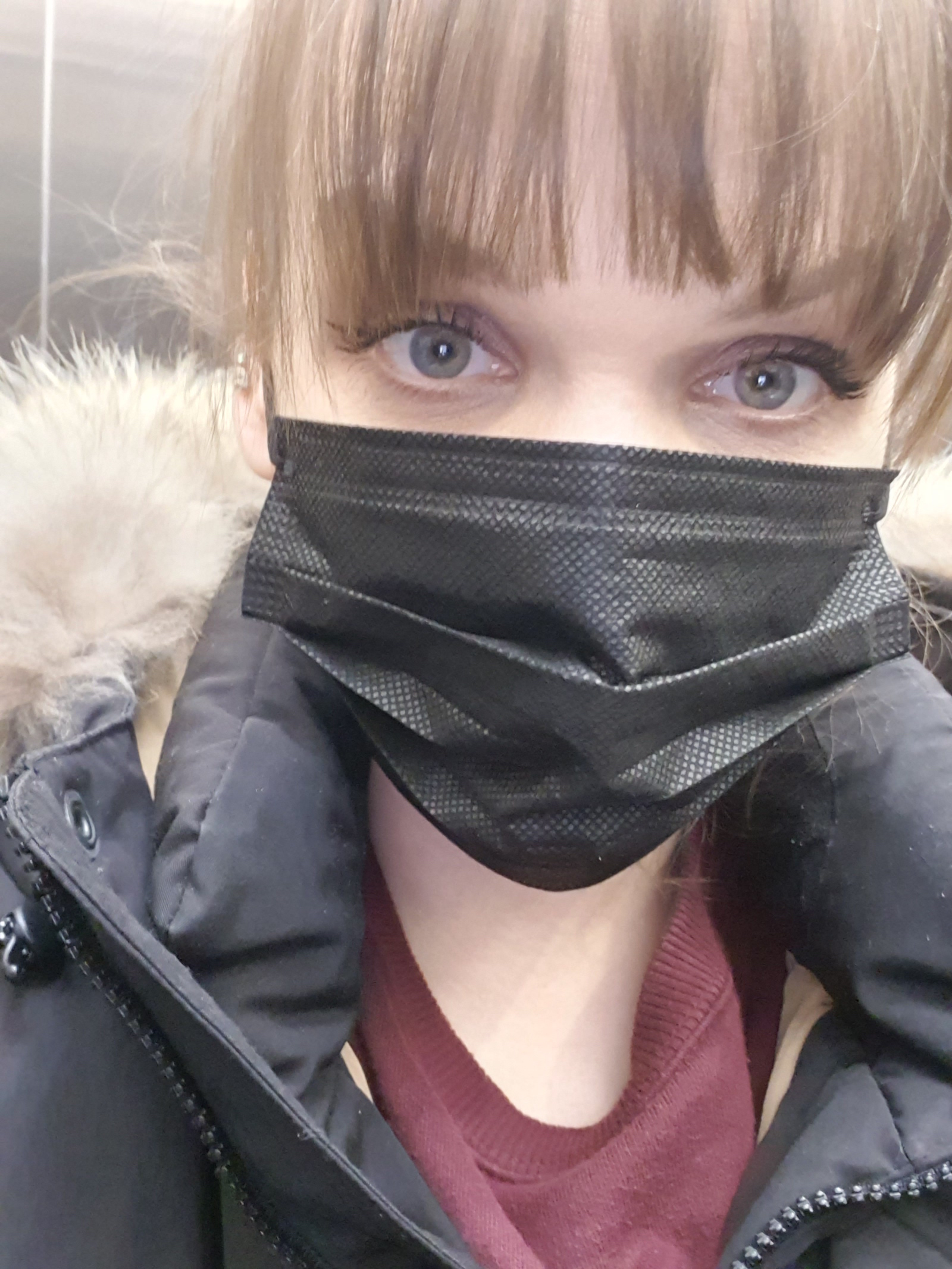
    “Me going to work masked up.”
    “Me going to work masked up.”

    What is the status of food, water and medical supplies like masks in stores right now? Where are those supplies coming in from? 

    Masks are hard to come by and people have been hoarding them and selling for ten times the price. The government is trying to combat this by limiting the amount of masks one can buy as well has heavily fining anyone caught hoarding and reselling. I have also read that some brands of ramyeon have sold out. 

    Have you done anything to prepare for the possibility that the novel coronavirus epidemic in South Korea might get worse? Have you stocked up or made special plans you can execute at a moment’s notice? 

    We have bottled water and some instant food stocked up. I am also signed up to receive e-mails from the Canadian government should things ever get worse.

    Is there anything you know about the situation within South Korea that has not been mentioned, or has been misrepresented, in global news?

    I pay most attention to Canadian news. I don’t think that they have misrepresented anything.

    What do you think of South Korea’s response to the COVID-19 outbreak? What did they do well and what could have been done better?

    I think the Korean government has done a good job. They are very transparent and I believe they are doing their best to fight this thing. We receive text alerts daily and the Busan government has every patient from here listed on their official website. You can click on each case and see where they have been over the past few days. We also get daily updates from the Korean and Busan government as to the numbers of cases and deaths. I know that President Moon has received a lot of criticism for not banning all Chinese people from entering Korea. Many Koreans want an all-out ban on the Chinese entering Korea.

    “You can click on every patient and see where they have been at least a few days before they were diagnosed with the coronavirus. The picture is of the whereabouts of Patient 46.”
    An image of the official Busan website. “You can click on every patient and see where they have been at least a few days before they were diagnosed with the coronavirus. The picture is of the whereabouts of Patient 46.”

    What will you do if you or those who live with you develop symptoms of the virus?

    Citizens are encouraged to call a special hotline if one should develop a fever and/or a second symptom, such as a sore throat or cough. Our plan is to continue to remain indoors as much as possible. We will call the hotline, and get to the hospital as soon as possible if symptoms were to develop.

    Which 3 items or people are most useful for you right now? 

    I rely on my husband the most as he is Korean and understands what’s going on better than I do. After him, the Busan Instagram page is very informative and up to date. The government texts that are sent out are helpful as well.

    Is there anything you regret not doing earlier?

    I wish that I had stocked up on more masks.

    Lastly, what have you learned from this novel coronavirus outbreak that you didn’t know before?

    I think I understand better how fragile and interconnected things are. I think it’s one of those things where you understand it, but it’s not until you experience it that you truly understand what it means.

    Jennifer hopes to be able to move to Jeju with her family this spring, and to blog more at jeffosaurus.wordpress.com and share more photos on Instagram @maple_jeon. “I also would like to start vlogging a bit after we move so friends and family back home can get a better understanding of what Korea is like.” You can also ask her questions about South Korea and Busan using the comment box below. 

    More interviews with others whose lives have been disrupted by COVID-19 coming up next week. Follow the latest in our COVID-19 Diaries series here.

    If you’re in a country that has been affected by the novel coronavirus and would like to share information about the situation where you’re at, do get in touch with us here.

    Photographs courtesy and copyright of Jennifer. Interviewer: Sy
    Sponsor or support the COVID-19 Diaries series here.
    If you found this article useful:


  • COVID-19 Diaries: The Situation In Seoul, South Korea, 90 Days In

    James from Canada quit his job in August last year and went on an extended trip though Canada, Europe and Asia. Presently living in a guest house in Seoul, South Korea, 1398km away from Wuhan, he told us how he’s prepared for the COVID-19 crisis as a traveller on the move, and why, despite not being tied down to South Korea, he has no plans to leave just yet. 

    “Everything I’ve got here fits in a backpack, so if I need to move at a moment’s notice, it wouldn’t be hard for me to do so.”

    Q: Hi James, thanks for connecting with us all the way from Seoul, South Korea! When did you first hear about the 2019-nCoV novel coronavirus and what did you think of it then?  

    A: I first caught wind of the 2019-nCoV around New Years Eve while I was travelling in Japan. At that point it hadn’t spread far beyond Wuhan and there wasn’t a lot of noise about it, aside from comparisons to SARS, so I really didn’t think too much about it.

    How concerned are you now? How many COVID-19 cases and related deaths are there in Seoul at the point of this interview and do you personally know anyone who’s been infected with COVID-19? 

    I’m not terribly concerned. As of today there are 1,146 confirmed cases in South Korea but the majority of those seem to be in the vicinity of Daegu, not here in Seoul.

    How did most of the cases in Seoul get infected anyway? Are there any notable clusters? 

    For the first few weeks, the locations of most of the cases weren’t really well-publicised (at least in English language media that I’m aware of), understandably as most could be linked to China, so location wasn’t really that important. It seems like this new burst (from ~30 to ~1100 in slightly over a week) is closely associated with a particular church centred around Daegu.

    "A partially-stocked shelf of instant noodles (very unusual here)."
    “A partially-stocked shelf of instant noodles (very unusual here).”

    How has life changed for you since the coronavirus entered South Korea? What are you no longer allowed to do and what extra are you expected to do to keep yourself and your community safe? 

    It hasn’t had a big impact on my life so far—in fact, up until this week the effect was virtually nil. In the last few days, there have been widespread closures of museums and the Asian League Ice Hockey cancelled their championship round, which had been scheduled to begin this upcoming weekend in Anyang, a satellite city of Seoul, between a Korean team and a Russian team from Sakhalin.

    What else do you do regularly to keep healthy and safe?

    I’m washing my hands extremely frequently—probably more than I have since I found myself in the middle of the 2005 H5N1 outbreak in China. I’m wearing a mask when I’m riding the subway and in public gatherings, but other than that, not much.

    Why do you choose to stay on in Seoul regardless?

    I’m travelling around indefinitely so I’m under no obligation to remain here, but at this point heading to any other Asian country means I’ll likely be turned away, and I’m not that keen on heading home and getting off the road quite yet.

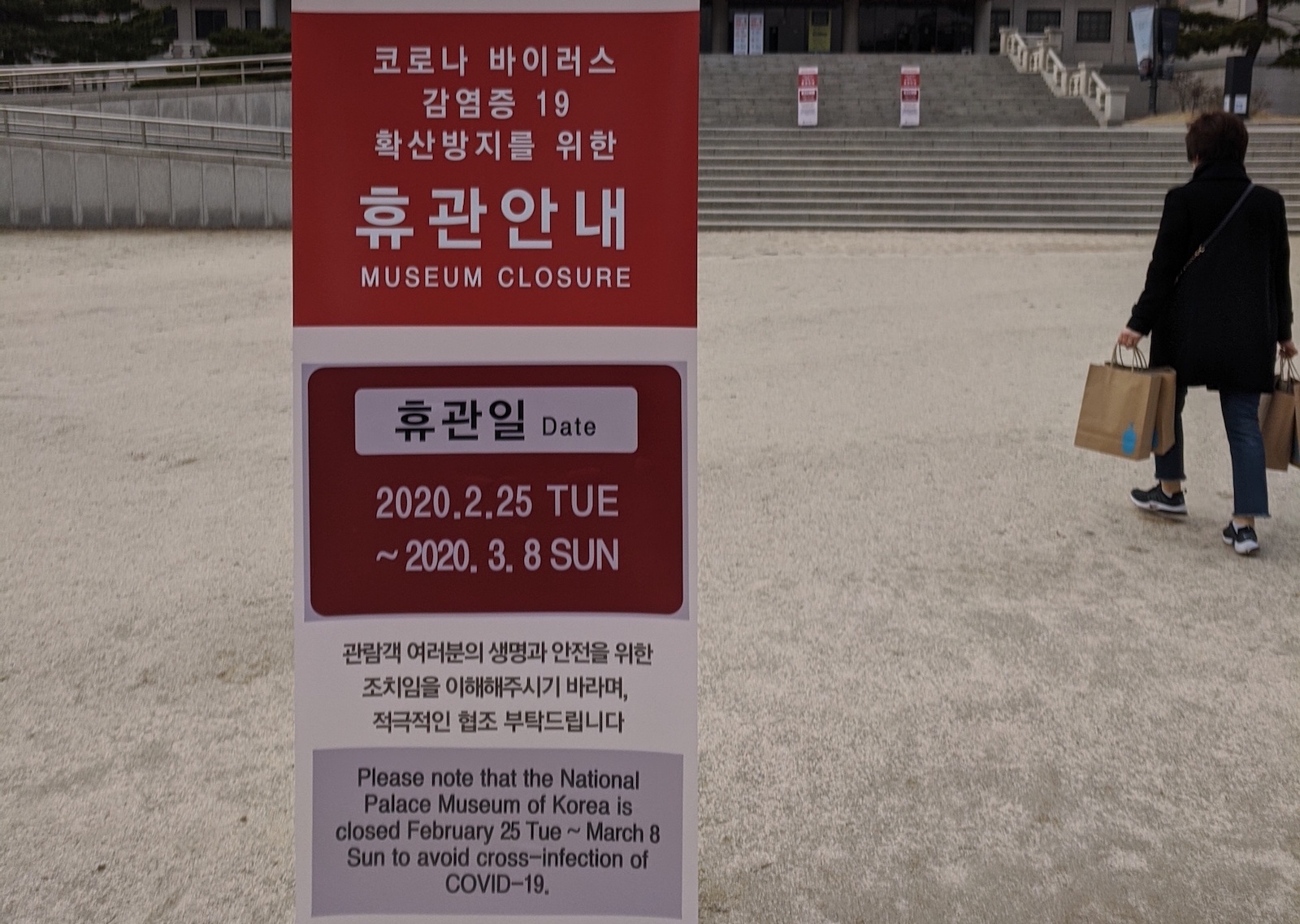
    "A museum closure sign."
    “A museum closure sign.”

    What is the status of food, water and medical supplies like masks in stores right now? Where are those supplies coming in from? 

    Masks have been intermittently low in some stores—some get re-stocked in the mornings but are often gone towards the end of the day. I haven’t personally seen any shortages of water, most food or medical supplies other than masks. I say most food because some non-perishables have been disappearing from the shelves quickly, particularly instant noodles and bulk bags of rice, but I’ve never seen them completely gone from a store, just low.

    Have you done anything to prepare for the possibility that the novel coronavirus epidemic in South Korea might get worse? Have you stocked up or made special plans you can execute at a moment’s notice? 

    I rely on daily medication, which I typically carry a limited supply of. Around the 2nd/3rd week of January, I went out of my way to get a supply that should last for several months in the event that availability is affected. Aside from another small stockpile of non-perishables, everything I’ve got here fits in a backpack, so if I need to move at a moment’s notice, it wouldn’t be hard for me to do so.

    Is there anything you know about the situation within South Korea that has not been mentioned, or has been misrepresented, in global news?

    No, I don’t believe so. If anything, the impact has been overblown, at least here in Seoul. It seems like Daegu is really taking the brunt of it at this point.

    What do you think of South Korea’s response to the COVID-19 outbreak? What did they do well and what could have been done better?

    I think that’s a question for public health experts, I’m not really qualified to answer it.

    "Hongdae neighbourhood on a Friday night. Nothing may seem unusual but that street is usually packed solid with people. Line-ups outside the busiest clubs were only 10-15 people long, but they're typically 50+ people long."
    “Hongdae neighbourhood on a Friday night. Nothing may seem unusual but that street is usually packed solid with people. Line-ups outside the busiest clubs were only 10-15 people long, but they’re typically 50+ people long.”

    What will you do if you or those who live with you develop symptoms of the virus?

    I’ll head straight to the nearest hospital.

    Which 3 items or people are most useful for you right now? 

    Soap and alcohol wipes are the big two, can’t think of a third.

    Is there anything you regret not doing earlier?

    Not really.

    Lastly, what have you learned from this novel coronavirus outbreak that you didn’t know before?

    Not that I can think of.

    James’ priority right now is looking for a new job back in Canada. You can read about him at distancefromnormal.com or chat with him using the comment box below.  

    Tomorrow, we chat with an expat in Busan, 93km away from Daegu, where masks are in short supply and hoarding has taken place. Follow the latest in our COVID-19 Diaries series here.

    If you’re in a country that has been affected by the novel coronavirus and would like to share information about the situation where you’re at, do get in touch with us here.

    Photographs courtesy and copyright of James. Interviewer: Sy
    Sponsor or support the COVID-19 Diaries series here.
    If you found this article useful:


  • COVID-19 Diaries: The Situation In Daegu, South Korea, 89 Days In

    Ariel Soon from the United States travelled to Daegu, South Korea earlier this year to start a new job, only to find herself right in the epicentre of the COVID-19 outbreak in South Korea. She told us about the situation around her, 1451km away from Wuhan, China.

    “To be honest, I don’t think any country is handling this crisis very well.”

    Q: Hi Ariel, thanks for connecting with us all the way from Daegu, South Korea! When did you first hear about the 2019-nCoV novel coronavirus and what did you think of it then? 

    A: I first heard about it when I was in the United States getting ready to move to Daegu. I didn’t really pay much attention at the time since the virus seemed to be mainly in China. When I actually arrived in Daegu, there were only about 30 cases here in South Korea.

    How concerned are you now? How many COVID-19 cases and related deaths are there in South Korea at the point of this interview and do you personally know anyone who’s been infected with COVID-19? 

    I’m getting more concerned about it each and every day, especially now that it’s up to 2,000. I don’t really know anyone here, so, no, I don’t know anyone personally who has been infected with COVID-19 yet. 

    "A cafe with a sign in the window indicating they were closed due to the coronavirus."
    “A cafe with a sign in the window indicating they were closed due to the coronavirus.”

    How did most of the cases in Daegu get infected anyway? Are there any notable clusters apart from the Shincheonji church cluster, or is that the only known cluster there? 

    As far as I know, Shincheonji is the main cluster here in Daegu.

    Can you tell us what you know about the Shincheonji Church of Jesus, the Temple of the Tabernacle of the Testimony? Why do people call it a cult and what is it about their activities that has enabled the virus to spread widely between its members? 

    I really don’t know much about Shincheonji, other than what I’ve read on major news outlets, that the followers crowd together and aren’t allowed to wear anything on their face, including masks, and people assumed that Patient 31 just had a cold, which is to imply that she was symptomatic at the time.

    How has life changed for you since the coronavirus outbreak in Daegu? What are you no longer allowed to do and what extra are you expected to do to keep yourself and your community safe? 

    Well, I haven’t been able to start working yet, and I don’t know when I will be able to. I always wear a mask whenever I go outside, and I don’t take public transportation. I would like to visit cafes and linger around, but I have been avoiding them. A lot of the cafes here in Daegu are closed, or they only allow you to order Take Out. 

    What else do you do regularly to keep healthy and safe?

    I’ve been staying indoors and avoiding contact with people. I have also been taking Vitamin C supplements to support my immune system.

    Why do you choose to stay on in Daegu regardless?

    I really enjoy being in Korea, despite all of this, and I would like to stay here with the hopes that the outbreak will get under control.

    Ariel's mask collection. "The top one I received when they were giving out free masks at a public square."
    Ariel’s mask collection. “The top one I received when they were giving out free masks at a public square.”

    What is the status of food, water and medical supplies like masks in stores right now? Where are those supplies coming in from? 

    There was an initial shortage of masks when news of the outbreak first occurred, but most pharmacies and cosmetic stores are now well stocked. They have increased the price, however. I haven’t seen any shortage of food and water, however, as all the food markets and convenience stores are all still well stocked. Deliveries are still being made here.

    Have you done anything to prepare for the possibility that the novel coronavirus epidemic in South Korea might get worse? Have you stocked up or made special plans you can execute at a moment’s notice? 

    I’m in contact with my employer on a regular basis and there are many medical clinics and pharmacies nearby. Luckily the convenience stores are still open 24/7–for now.

    "This is where I ate lunch. I was the only customer."
    “This is where I ate lunch. I was the only customer.”

    Is there anything you know about the situation within Daegu that has not been mentioned, or has been misrepresented, in global news?

    I haven’t seen that much news about the Daegu epidemic in great detail. I know some are reporting that it’s like a ghost town, but there are pockets of activity, and there a lot of businesses that are still open here.

    What do you think of South Korea’s response to the COVID-19 outbreak? What did they do well and what could have been done better?

    They should have closed its borders with China right after they found that first case. I have not been happy with the way they have handled this situation at all, but I also understand that I am in a foreign country and they do things differently here. To be honest, I don’t think any country is handling this crisis very well.

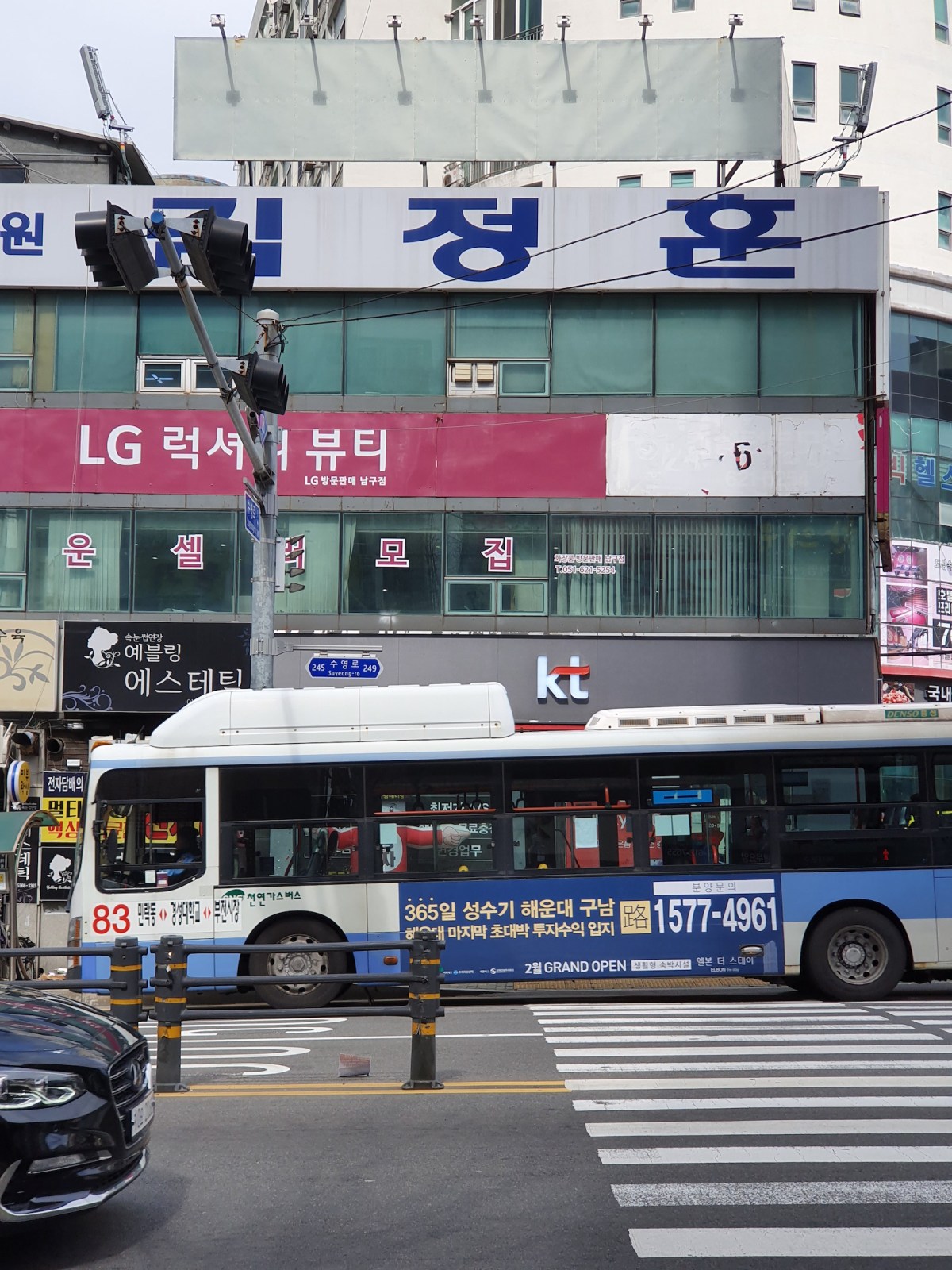
    "City buses are running but are mostly empty."
    “City buses are running but are mostly empty.”

    What will you do if you or those who live with you develop symptoms of the virus? How difficult is it to get a bed at a hospital in Daegu these days?

    I’m not really sure.

    Which 3 items or people are most useful for you right now? 

     Hand sanitiser, soap, mask.

    "Traffic is improving, compared to a few days ago."
    “Traffic is improving, compared to a few days ago.”

    Is there anything you regret not doing earlier?

    I don’t think it’s a question of what I, myself, could have done. This whole epidemic has to do with the community, and how do you control the behaviour of an entire community?

    Lastly, what have you learned from this novel coronavirus outbreak that you didn’t know before?

    I have admired the Korean people’s gentleness and humility in the way they treat each other. They are kind and respectful to one another, but I just keep thinking that if they were a little more stern—with China, the doctor with Patient 31 that tried to convince her to get tested for the coronavirus twice before she agreed to it—this outbreak wouldn’t be so widespread. But hindsight is always 20/20, and it’s up to the experts and public health officials to review what they got wrong this time to make sure they will be more prepared the next time this happens.

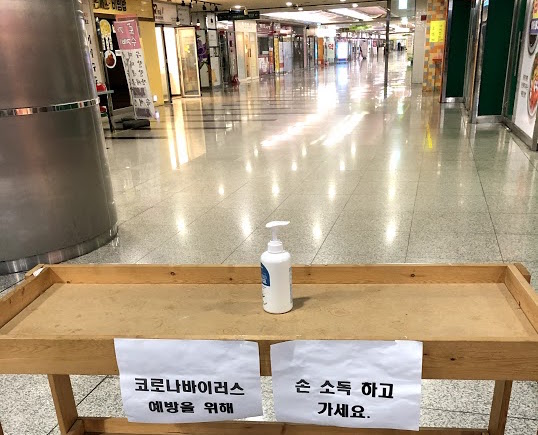
    "Hand sanitisers at an entrance to an underground mall."
    “Hand sanitisers at an entrance to an underground mall.”

    Ariel hopes to be able to continue to stay in Korea, so that she can gain some valuable experience as well as understand and learn more about Korean culture. You can follow her adventures in Korea at her blog, www.woundedcat.wordpress.com, or ask her for updates about Daegu by using the comment box below. 

    Tomorrow, we chat with a tourist in Seoul, capital of South Korea, 237km away from Daegu, to find out about the situation over there. Follow the latest in our COVID-19 Diaries series here.

    If you’re in a country that has been affected by the novel coronavirus and would like to share information about the situation where you’re at, do get in touch with us here.

    Other interviews with Ariel:
    COVID-19 Diaries: Daegu, South Korea, 167 Days In

    Photographs courtesy and copyright of Ariel Soon. Interviewer: Sy
    Sponsor or support the COVID-19 Diaries series here.
    If you found this article useful:

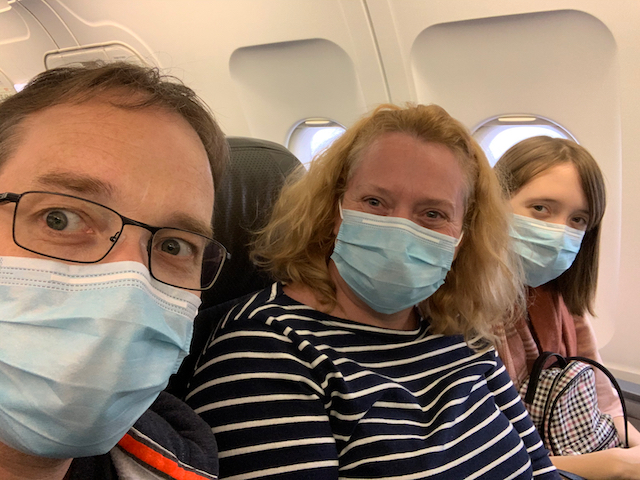
  • "On plane to Cambodia, still masked up."

    COVID-19 Diaries: Why I Left Shenzhen, China, and How

    Paul is a mature student from the United Kingdom who had been living in China for 2 years because he and his family “fancied a break from western life and culture”. He left Shenzhen shortly after the World Health Organisation declared COVID-19 to be a global emergency though and is presently residing in an AirBnB in Penang next to trees and nice restaurants. We had a chat with him about his decision to leave and found out getting out of China in the wake of the coronavirus outbreak wasn’t as difficult as we’d expected.

    “The driving factor to leave was the narrowing routes out of the country and the uncertainty of social restrictions.”

    Q: Hi Paul, thanks for connecting with us all the way from Malaysia! When did you first hear about the 2019-nCoV novel coronavirus and what did you think of it then?

    A: I remember seeing something about a virus around the beginning of January but at the time didn’t think anything of it. Just another news article.

    When did you start getting more worried about COVID-19? What made you worry?

    At first it just seemed like Shenzhen was becoming a ghost town, much like it does every year during CNY. I monitored the number of infected in Shenzhen and Hong Kong and it didn’t seem too bad, so I didn’t worry. Then the British government announced that all British nationals should leave China if they can. At that point we worried more about what was happening socially than with the virus.

    "9 Square Mall closed off."
    “9 Square Mall closed off.”

    When did you decide to leave Shenzhen altogether? How bad was the situation in Shenzhen at that point and what pushed you to make that decision?

    The morning of February 5th I spoke to some friends also living in Shenzhen and they said they were thinking of joining friends in Cambodia. Hong Kong had just closed the two main MTR crossings at Lo Wu and Futian Checkpoint so the only option I knew of was to cross into Hong Kong via the road bridge at Shekou. The driving factor to leave was the narrowing routes out of the country and the uncertainty of social restrictions.

    Just to get some perspective, how many confirmed cases of the virus were there in Shenzhen at the point you decided to leave and how many confirmed cases are there in Shenzhen now?

    Confirmed cases were low and I think it’s still low now compared to other places in China. From what I’d read, the virus didn’t really concern me as I consider myself to be healthy and quite fastidious when it comes to maintaining general hygiene.

    What restrictions were in place when you left Shenzhen and what restrictions are there in Shenzhen now?

    When I left the only restrictions were to wear a face mask in public and get temperature checks upon entering any buildings. Now as far as I am aware, the apartment where I live has imposed restrictions on movement in and out of the building. Only 1 person per household is allowed out every 2 days, and then for only an hour and a half at a time.

    How difficult was it to just gather your things and go at short notice? What did you take with you and what did you leave behind?

    It took roughly 2 hours to gather 3 small and 1 large suitcase between my family of 3. Cambodia is super-hot so packing light was easy. We had to take 3 laptops for our work and studies. Unfortunately, this wasn’t a beach holiday as we still needed to work and study remotely. The rest was a few toiletries, chargers, hand sanitisers and masks for the flight.

    What about work and rent and all other matters that might tie a person down to their city of residence. How did you leave those behind?

    I am a mature student with a British university so working remotely is what I do anyway. My wife is a teacher, she still teaches but remotely as the schools are closed. My daughter studies remotely as her school is closed too. Rent and bills are paid via online banking so no changes there.

    "Children's Palace metro station. Usually very busy."
    “Children’s Palace metro station. Usually very busy.”

    How did you get out of Shenzhen and where did you go? Did you face any problems leaving China or entering other countries because of your travel history to China?

    I left China via the Shekou to Hong Kong bridge in Shenzhen. The border was busy and full of hawkers selling tickets to Hong Kong via various means. I decided to buy the official tickets and stick to the details I’d read online before coming. This was the first time I’d used this border as the usual ones were closed. Upon arrival at customs, it was the usual head scan then I had to fill out a form asking if I’d been to Wuhan or had any ill symptoms. Leaving China was easy and done via the usual E-Channel method. A short 10 metre walk and we are greeted with Hong Kong customs, another health declaration form and head scan. No questions upon entry then on to the bus to West Kowloon and Elements mall. We spent the night at my sister in-law’s apartment in Wan Chai then took an Uber to the airport where we flew to Siem Reap in Cambodia.

    What have you been doing since leaving China? Did you have to be quarantined in any other country because of having been in China?

    We decided to spend 2 weeks in Siem Reap as that seems to be the usual quarantine period most countries apply when travelling. This was our own decision though and not forced upon us by anyone. In Siem Reap it was work as usual, my wife the teacher, myself and daughter the students. For me it was easier as I’m used to working remotely but my daughter has struggled to adjust. At the weekend, we visited some old temples such as Angor Wat. We’ve now moved on to Malaysia and since we’d been away from China for 2 weeks there were no concerns about traveling anymore. Life is a little less dusty here and the broadband is much faster so easier to work.

    "Huaqiangbei Electronics Market. Not so busy now."
    “Huaqiangbei Electronics Market. Not so busy now.”

    The virus has been spreading around Asia though. Do you think there is a chance it will catch up with you once again? What will you do if that happens?

    I saw that in Korea cases are rising but as before, it doesn’t worry me too much. I monitor the news and if things start to kick off here, we’ll just leave. All our flights have been half full and cheap so getting out is not a concern.

    Do you personally know anyone who’s been infected with COVID-19?

    No.

    "Leaving China. Picture taken just before customs."
    “Leaving China. Picture taken just before customs.”

    What have you learned from this novel coronavirus outbreak that you didn’t know before?

    I’ve learnt that its far cheaper than I thought to travel around south east Asia! Our family is close, and we get on well. I’m not sure how others are coping but we are doing fine.

    Which 3 items or people are most useful for you right now? 

    My wife, daughter and passport! Material stuff: phone, laptop and hand sanitiser!

    Lastly, when do you foresee yourself returning to China, and what will you do if the situation in Shenzhen simply refuses to get any better?

    We’re monitoring the situation and right now it’s looking like we’ll return mid-March when the schools reopen.

    "On plane to Cambodia, still masked up."
    “On plane to Cambodia, still masked up.”

    Paul is presently working on finishing up the last year of his university studies. You can find out whether or not he returns to China by checking out his website, 6000milestochina.com or ask him for updates using the comment box below.

    Tomorrow, we’ll hop on over to Japan to find out what the coronavirus situation is presently like over there. Follow the latest in our COVID-19 Diaries series here.

    If you’re in a country that has been affected by the novel coronavirus and would like to share information about the situation where you’re at, do get in touch with us here.

    Photographs courtesy and copyright of Paul. Interviewer: Sy
    Sponsor or support the COVID-19 Diaries series here.
    If you found this article useful:


  • What It’s Like Being Locked Down In Wuhan During The 2019-2020 Novel Coronavirus Outbreak (Part 2)

    Last week, we asked a 30-year-old resident of Wuhan what his experience with being locked down at home has been like. This week, we find out what it’s like being a resident of the epicentre of the coronavirus outbreak amid increasing global panic, racism and uncertainty.

    “I think people need to put more faith in the Chinese government. They can handle this situation.”

    Q: Thanks again for chatting with us, Icypriest. Quite a number of countries are now blocking residents from Hubei from entering their countries. Some, like Singapore, USA and Australia have even blocked all people coming from China. How do you feel about that?

    A: I am a little offended by that but I understand their reasons. And after our own lockdown, it seems that it is an effective measure to contain infections.

    There have been reports on the internet of racism towards Asian peoples and Chinese citizens triggered by the 2019-nCoV virus. What are your thoughts on that?

    I think racism in any form is wrong and there is no rational excuse for any form of racism.

    I’ve heard personal stories from friends with friends and family in China that many in China are getting bored out of their minds because of the inability to leave their homes. How has that experience been like for you and your family? What is it like not being to go out into the world like before?

    I understand their urges to go out—I have those too. It’s like being grounded by the virus. I miss all the food beside our university and I constantly tell my friends to try them all again when quarantine life is over. And I miss my friends too since contacting them online is so different from meeting them in person. I even held an online singing party on my birthday. My parents seem to have the same problems too, they hold daily video chats with their relatives and friends.

    Icypriest’s present stash of snacks. “(1) Potato chips, (2) 沙琪玛 (Sachima , Chinese egg pastry), (3) Instant noodles (for emergencies), (4) Dried mushrooms, (5) Apples, (6) A kind of oranges called 皇帝柑 (Tribute Citru).
    Icypriest’s present stash of snacks. “(1) Potato chips, (2) 沙琪玛 (Sachima , Chinese egg pastry), (3) Instant noodles (for emergencies), (4) Dried mushrooms, (5) Apples, (6) A kind of oranges called 皇帝柑 (Tribute Citru).

    How well do you think the government of China has responded to this viral crisis? How confident are you of them being able to get things under control?

    The local government has tried their best but it was slightly dissatisfactory. But when the national government was involved, the situation was a lot better. I am 100% confident the national government won’t leave us behind.

    Where do you get your information about the coronavirus from?

    There’s an official WeChat account called 武汉发布 (Wuhan announcements). Other information is from CCTV and local news, Weibo and web search.

    Is there anything you know about the coronavirus that has not been mentioned in global news?

    Mostly about our own lives—it’s not as chaotic as “corpses littered on streets” or “people randomly collapsing”. I posted on Reddit because I think the situation is too tense on r/ChinaFlu and there’s no other good media for me to share our actual quarantine lives online. I’d like to think I helped some people with my posts.

    Is there anything you know about the situation within China that has not been mentioned in global news?

    No. But I think people need to put more faith in the Chinese government. They can handle this situation.

    “Medical masks we wore when we went out. Now that we're in complete lockdown, its only usage is for my father when he goes downstairs to throw away trash every day.”

    What have you and your family learned from this coronavirus outbreak that you didn’t know before?

    Nothing much. But I think we’ll be more cautious of our hygiene after the outbreak and fulfil our wishes as soon as we can—life is short, we shouldn’t waste it.

    What are the best and worst examples of humanity you’ve seen since the coronavirus crisis broke out?

    Best examples: people voluntarily formed groups to help the doctors and nurses at hospitals; donations of food, medical equipment and the efficiency to build up a system to transfer resources into a city on lockdown. All of those examples were not government-motivated, but done by people.

    Worst examples: a small number of people going out to deliberately infect others after getting diagnosed and people sending messages like “u dead yet?” or “go f*ck yourself” to me after my Reddit post.

    What advice do you have for others in China and around the world who are also in quarantine or locked down right now?

    Just because you’re in quarantine or lockdown doesn’t mean you can let your guard down. Keep personal hygiene up and wash your hands as frequently as you can. Food is better cooked than consumed directly. Ventilation is always good for a cleaner and healthier house. Remember to keep your toilets water-filled.

    What advice do you have for others around the world who have not yet been seriously affected by the 2019-nCoV coronavirus?

    Be cautious and follow the news but there’s no need for panic. Keeping yourself healthy is the best weapon against the virus.

    Lastly, what can readers of this article do to help you, Wuhan, Hubei and China get through this?

    Keep watching the news. If you have the heart and the money, please donate. Please don’t discriminate Chinese, or anyone really, because we’re all residents of the same planet. Have faith in us and all other infected countries—we are able to quash this before it turns into a global epidemic.

    If you would like to donate funds to purchase medical consumables for China, Icypriest suggests donating to Wuhan University Alumni Association of Greater New York’s crowdsourcing drive on goFundMe. He is still on lockdown in his home and will be more than happy to answer your questions if you drop them in the comment box below.

    Tomorrow, we will interview an expat presently in the capital of China—Beijing—to understand the current situation there. Follow the latest in our 2019-nCoV Diaries series here.

    If you’re in China right now or have been affected by the novel coronavirus and would like to share information about the situation where you’re at, do get in touch with us here.

    Other interviews with Icypriest:
    What It’s Like Being Locked Down In Wuhan During The 2019-2020 Novel Coronavirus Outbreak (Part 1)

    Photographs courtesy and copyright of Icypriest. Interviewer: Sy
    Sponsor or support the 2019-nCov Diaries series here.
    If you found this article useful: